01
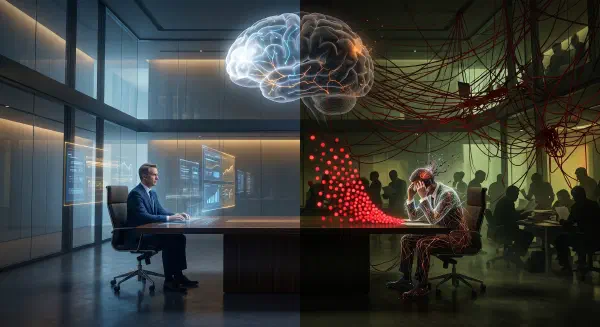
Neuroscience
Exploring the brain's structure, neural circuits, and biological foundations of behavior, cognition, and emotion.
Loading...
Co-Creating a World of Understanding
For researchers, practitioners, educators, and organizations turning behavioral insight into ethical real-world impact.
Mission
By merging scientific rigour with a commitment to equity, behavioral sciences offer a roadmap for building a better world, one informed decision at a time. Let's champion this interdisciplinary bridge to ensure research doesn't just stay in labs but transforms lives.
Five interconnected fields shaping our understanding of human behavior.
Exploring the brain's structure, neural circuits, and biological foundations of behavior, cognition, and emotion.
Understanding perception, memory, reasoning, and the computational nature of thought.
How psychological, cognitive, and emotional factors shape economic decisions and consumer behavior.
Evidence-based behavioral principles to understand, predict, and modify human behavior in real-world settings.
Advancing learning outcomes and human development through the science of mind, behavior, and educational practice.
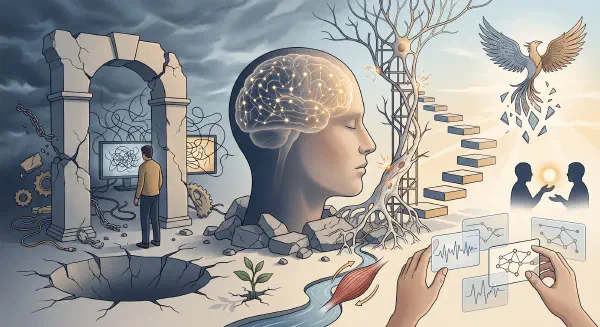
Throwing good money after bad.
Individuals continue a behavior or endeavor as a result of previously invested resources (time, money, effort), regardless of the current costs or benefits.
Who we are, what we believe, and why we exist.
The Global Council for Behavioral Science is an innovative international network connecting experts across various disciplines. Our goal is to ethically advance and apply behavioral insights to address global challenges effectively.
Leveraging behavioral science to decode human behavior, drive equitable global progress, and empower societies through ethical innovation, rigorous research, and inclusive collaboration.
A global network uniting the diverse expertise of researchers, practitioners, and innovators to leverage behavioral science for transformative solutions, inclusive progress, and a future where human potential thrives.
To lead global progress in behavioral science by ethically transforming insights into empowering policies, innovations, and societies.
The Global Council for Behavioral Science promotes interdisciplinary research and evidence-based solutions that empower individuals and societies, enhancing global well-being through transformative behavioral insights.
Download free, expertly crafted resources for policy, health, education, and organizational development.
Join the GCBS Community Today & Shape the Future of Behavioral Science!
Join Now


Research highlights, events, and member news, straight to your inbox.
Check your inbox to confirm your subscription.