Introduction: The Multidisciplinary Evolution of Optimal Stress#
The conceptual framework of the “Goldilocks Zone” has undergone a profound evolution across multiple scientific disciplines. Originally formulated in the astrophysical sciences to describe the habitable orbital corridor in which planetary conditions are perfectly calibrated to sustain liquid water, the term has since permeated the biological, psychological, and organizational sciences. Drawing from its foundational roots in folklore, where optimal conditions are defined simply as “just right”, a concept even used in pedagogical tools exploring the science of thermodynamics and comfort, the Goldilocks Zone now serves as the preeminent paradigm for understanding homeodynamic equilibrium in complex systems. In the specific context of human physiology and psychological performance, this zone delineates a critical operational corridor. Within this meticulously balanced space, biological and organizational systems are subjected to an optimal level of environmental challenge, a state defined scientifically as eustress.
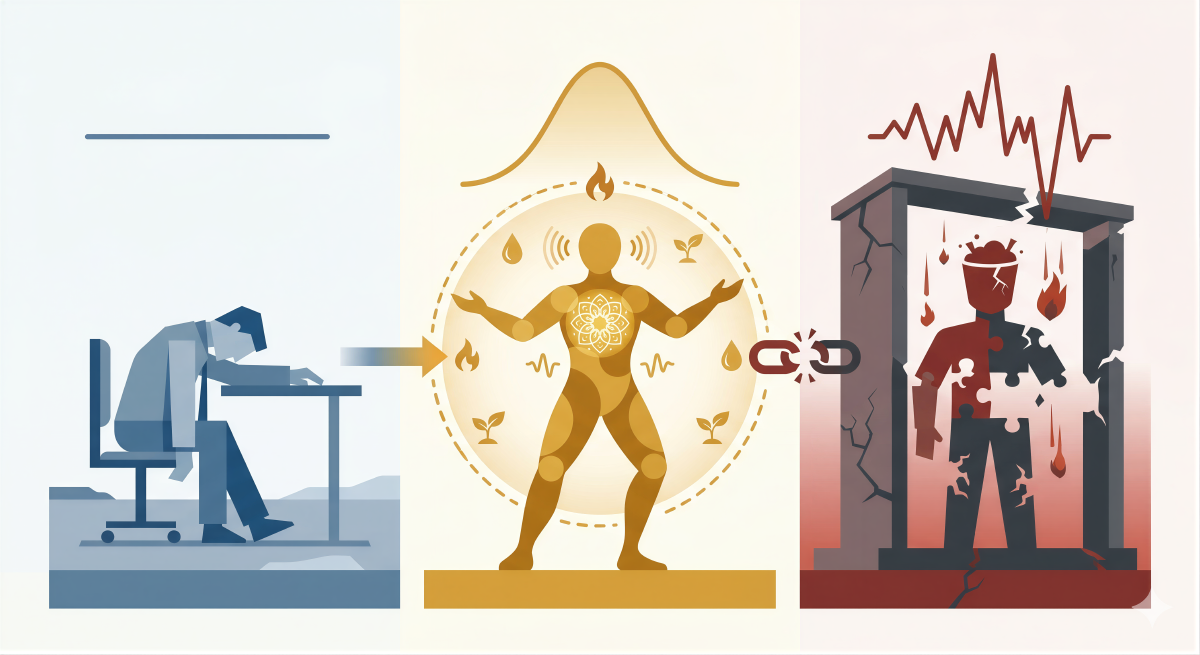
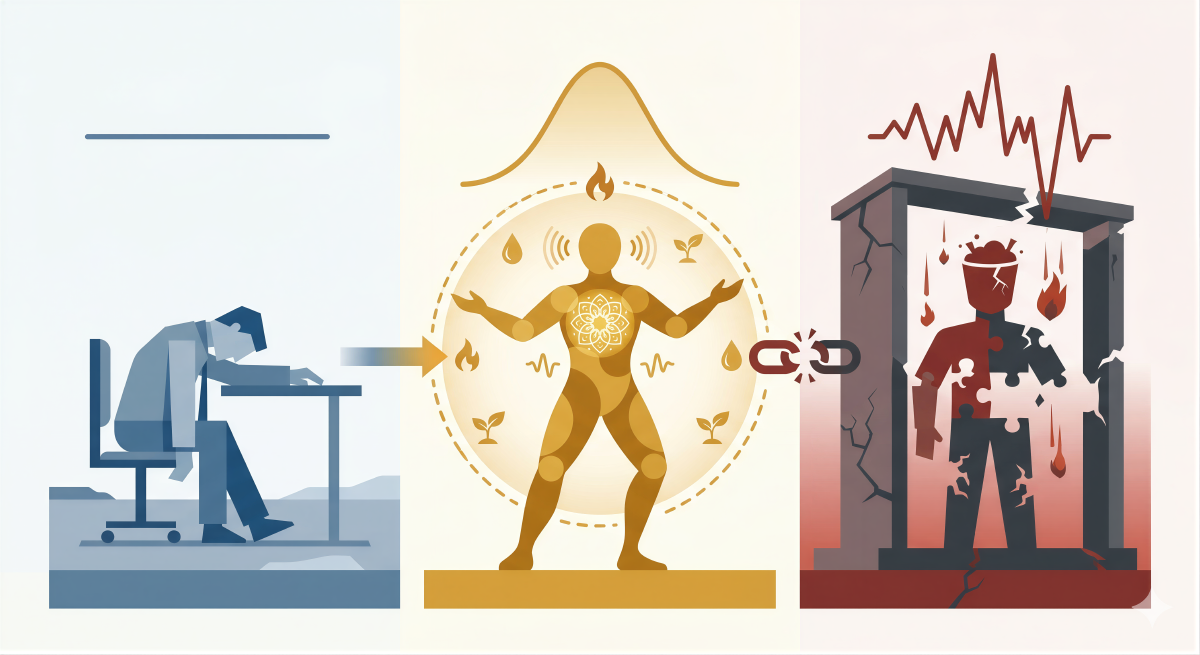
The modern understanding of stress has shifted radically from a unilateral pathology of harm to a nuanced continuum. Stress is no longer viewed as an inherently destructive biological force; rather, it exists on a spectrum ranging from severe environmental deprivation (hypostress or burnout) to catastrophic overload (distress and burnout). Both the absolute absence of stress and the chronic excess of it disrupt normative physiological functions. Conversely, eustress actively builds biological shields and supports normal life processes through the mechanism of hormesis, the biological phenomenon in which low-dose stressors induce highly beneficial, long-term adaptive responses.
In contemporary structural and organizational environments, the failure to actively architect this optimal zone leads inevitably to structural burnout. It is a critical theoretical distinction to distinguish between structural burnout and individual burnout. Individual burnout is frequently and often mistakenly attributed to a localized lack of personal resilience or flawed coping mechanisms. Structural burnout, however, represents a systemic failure of the overarching environment to regulate the psychosocial and physiological stressors imposed upon the human organism. To understand this phenomenon in depth, one must synthesize the biological mechanisms of redox signaling with the psychological interventions needed to navigate the modern workplace. This comprehensive analysis provides an exhaustive blueprint for transforming occupational distress into creative flow, thereby safeguarding human capital against the compounding, systemic effects of structural burnout.
The Metaphor and Reality of Structural Burnout#
The term “structural burnout” possesses a dual lineage that offers a profound metaphorical framework for organizational psychology. In the disciplines of civil engineering and materials science, structural burnout refers to the catastrophic thermal failure of a physical edifice. Historical research conducted by the IITRI Fire Research Laboratory, specifically within the OCD Work Unit 1134A in 1966, analyzed the structural burnout of real, debris-loaded structures subjected to severe blast damage and subsequent fire. This research demonstrated that the probability of survival within a structural shelter is entirely dependent upon the probability of ignition and the implementation of active suppression countermeasures. In zones of severe damage, physical structures lacking these engineered countermeasures inevitably succumb to structural burnout.
This physical reality serves as a flawless analog for the psychological and organizational realities of the modern workforce. Modern organizations represent the architecture within which human capital operates. When this architecture is heavily “debris-loaded”, burdened by administrative bloat, toxic interpersonal dynamics, or relentless digital connectivity, and subjected to the blast damage of macro-economic shocks or global pandemics, the internal thermal load (psychosocial stress) rises precipitously. Without properly engineered psychosocial countermeasures, the human elements within the structure experience an unmitigated physiological ignition. Just as a concrete slab will eventually fail under prolonged thermal stress, human cognitive and biological systems collapse under chronic distress, resulting in a systemic structural burnout that no individual resilience can independently survive.
The Biological Foundations: Redox Homeostasis and Oxidative Eustress#
To accurately diagnose and prevent structural burnout, the investigation must begin at the foundational level of cellular biology. The human body operates as a highly complex, open metabolic system. Because it is an open system continuously interacting with its environment, it requires continuous monitoring and fine-tuning to maintain stability. This stability is primarily governed by redox-related signaling. The ongoing, fundamental process of oxidative metabolism presents a persistent, low-level chemical challenge to the organism. In the biological literature, this challenge is referred to as “oxidative eustress”.
The Architecture of the Homeodynamic Space#
Foundational biological research establishes that oxidative eustress operates strictly within a highly specific physiological range known interchangeably as ‘Homeodynamic Space’, the ‘Golden Mean’, or the ‘Goldilocks Zone’. Within this optimal space, minor deviations from the steady-state redox set point are rapidly countered by homeostatic outflow. This biological countermeasure prevents excessive cellular damage while simultaneously utilizing oxidative molecules for essential internal signaling.
The spatiotemporal control of this redox signaling represents a marvel of cellular architecture. It is achieved through the highly compartmentalized generation and removal of oxidants. Hydrogen peroxide (H2O2) serves as the preeminent redox signaling molecule within this microscopic landscape. To prevent systemic toxicity, the cellular environment is characterized by orders-of-magnitude differences in (H2O2) concentrations between distinct organelles. This localized concentration gradient ensures that oxidative signaling triggers highly specific, targeted adaptive responses rather than generalized cellular distress. Furthermore, this precise concentration pattern is mirrored by that of oxidatively modified proteins. These proteins, most notably exemplified by S-glutathionylated proteins, act as transient, protective modifications that shield the cellular machinery from irreversible oxidative damage while relaying stress signals.
Short-Term Buffers and Long-Term Adaptations#
The cellular response to oxidative eustress within the Goldilocks Zone is categorized into two distinct temporal phases, both of which are critical for the organism’s long-term survival and resilience:
- Short-Term (Non-Transcriptional) Mechanisms: These involve immediate enzymatic reactions and the activation of kinetically controlled thiol switches. These mechanisms act as the first line of defense, serving as rapid biological shock absorbers that buffer acute, sudden deviations in the redox set point before they can cascade into systemic failures.
- Longer-Term (Transcriptional/Translational) Mechanisms: When oxidative eustress persists continuously but safely within the Goldilocks Zone, it triggers profound alterations in gene expression. This prolonged, optimized stress forces the transcription and translation of endogenous antioxidant defenses and stress-response proteins, permanently increasing the organism’s baseline resilience capacity.
Crucially, the redox set point is not a static, immovable metric; it is a continuously moving target. It is heavily modulated by the “exposome”, a comprehensive biological summation of all environmental and lifestyle exposures an individual experiences over their lifetime. Circadian rhythms, nutritional intake, exercise habits, and the fundamental sleep-wake cycle all act as powerful modulators of this biological Goldilocks Zone. Emerging research into tissue-specific redox regulation suggests that targeted oxidative eustress plays a mathematically critical role in complex biological functions, including neurobiology, embryonal development, and overall lifespan extension. This biological reality confirms that stress, when properly calibrated and localized, is not a vector of decay, but rather the fundamental engine of biological vitality.
Mitochondrial Psychobiology: Bridging Cellular Energy and Mental State#
The conceptual leap from isolated molecular biology to comprehensive human psychology is bridged by the rapidly expanding field of mitochondrial psychobiology. Historically, mitochondria have been viewed through a reductive lens merely as bioenergetic factories responsible for ATP production. However, contemporary scientific models recognize mitochondria as highly sophisticated regulatory hubs that actively communicate and coordinate vital physiological processes at both the cellular and the organismal levels.
The Genomic Dialogue and the Mitochondrial Health Index#
The systemic regulation of cellular stress is heavily dependent upon the continuous, bidirectional communication between the co-evolved mitochondrial and nuclear genomes. Mitochondria are not static engines; they are highly dynamic and profoundly adaptive organelles, rendering their overarching function acutely sensitive to both the internal cellular context and external psychosocial environmental stressors. Tissues characterized by exceptionally high energy demands, most notably the human brain, are uniquely and disproportionately affected by age-dependent and stress-induced mitochondrial dysfunction. This dynamic establishes a direct, undeniable biological pathway through which chronic psychological stress structurally translates into neurological degradation and cognitive decline.
To accurately quantify this functional capacity, researchers and clinicians utilize the Mitochondrial Health Index (MHI). This metric is a sophisticated composite that reflects the delicate balance between energy-producing enzymes and overall mitochondrial capacity. Specifically, the MHI is mathematically derived by comparing the levels of succinate dehydrogenase and citrate synthase with those of cytochrome c oxidase and the overall mitochondrial DNA (mtDNA) copy number. Crucially for the study of structural burnout, measurable variations in the MHI are directly and robustly correlated with subjective mood parameters, clinical psychological stress, and the symptomatic presentation of clinical depression and generalized anxiety.
The Psychosocial Oxidation Link#
When an individual is structurally forced to operate outside the psychological Goldilocks Zone, the resulting distress actively alters their mitochondrial function. Prolonged psychological stress is intricately and causally tied to the manifestation of depressive disorders primarily through the vector of mitochondrial dysfunction. Furthermore, clinical studies have identified oxidative stress as the primary biological intermediary linking specific psychosocial stressors to severe downstream physiological pathologies. Psychosocial vectors such as chronic social isolation, pervasive loneliness, and a sustained effort-reward imbalance in the workplace directly induce oxidative distress, which sequentially drives the pathogenesis of cardiovascular disease.
This intricate relationship definitively demonstrates that structural burnout is not merely an abstract emotional state or a temporary loss of motivation; it is a measurable physiological deterioration. Prolonged psychosocial distress forces the cellular homeodynamic space out of the beneficial oxidative eustress range and plunges it into oxidative distress, resulting in a cascading systemic energetic failure.
Neurological and Psychiatric Dimensions of the Goldilocks Zone#
The biological framework of the Goldilocks Zone extends deeply into neurochemistry, directly governing long-term mental health and psychiatric stability. The human nervous system functions through a highly complex, interconnected web of chemical neurotransmitters. To maintain optimal psychological condition, the body continuously works to keep chemical reserves and the active use of these neurotransmitters within an ideal “good zone”.
When minor psychosocial stressors emerge, the neurochemical system engages in on-the-fly biological compensation to adjust neurotransmitter levels, a process reflective of the short-term thiol switches seen in redox homeostasis. However, if these neurochemical levels are structurally forced too far outside of the operational Goldilocks Zone due to sustained environmental pressure or severe trauma, the individual becomes unwell in highly predictable, systemic ways.
When the dysregulation of neurotransmitters is prolonged over months or years by continuous occupational or environmental distress, the resulting structural problems manifest as clinical Mental Illness. This paradigm fundamentally upends traditional psychiatric models by demonstrating that many long-term mental illnesses, ranging from generalized anxiety and depressive episodes to elements of Borderline Personality Disorder (BPD), Obsessive Compulsive Disorder (OCD), and profound Rejection Sensitivity Dysphoria (RSD), are frequently the downstream physiological results of living chronically outside the homeodynamic space. Therefore, understanding the Goldilocks Zone is not merely an exercise in workplace optimization; it is a fundamental requirement for preventing the onset of chronic psychiatric pathologies linked to misdiagnosed trauma and systemic structural abuse.
Psychological Architecture: The Inverted-U Function#
Transitioning from cellular mechanisms and neurochemistry to human behavioral observation requires mapping the principles of biological eustress onto cognitive and emotional frameworks. Just as the fairy tale protagonist Goldilocks systematically tested various bowls of porridge until she discovered the exact temperature that was “just right,” human cognitive performance thrives exclusively on a meticulously calibrated level of environmental stress.
The Spectrum of Occupational Stress#
The relationship between applied stress and cognitive performance follows a rigid inverted-U curve. This psychological and physiological model dictates that both extreme endpoints of the stress spectrum are highly detrimental to human functioning:
- Hypostress (Under-Stimulation and Boreout): Too little stress results in an environment where the perceived stakes are excessively low, causing cognitive focus to drift rapidly. This state leads directly to professional disengagement, profound boredom, and deep job dissatisfaction. Without sufficient environmental pressure, the specialized cognitive resources required for deep, sustained problem-solving and creative ideation are not activated by the central nervous system.
- Distress (Over-Stimulation and Burnout): Conversely, excessive stress floods the biological system with a cascade of survival hormones, primarily adrenaline and cortisol. If this hormonal barrage persists chronically due to systemic structural issues, it leads to cognitive sabotage, severe mental exhaustion, and eventually, profound physical illness. Contemporary epidemiological statistics indicate that an estimated 75 to 95 percent of all primary care medical visits are rooted in stress-related conditions triggered by individuals who continuously exist outside the Goldilocks Zone.
- Eustress (The Goldilocks Zone): Situated precisely at the apex of the inverted-U curve lies the Goldilocks Zone. This is the operational window where the environmental challenge is precisely high enough to elicit peak cognitive focus, sustained effort, and creative flow, but not so severe that it triggers the autonomic physiological threat response.
To clearly map the relationship between these stress states across multiple systemic levels:
- Hypostress is cognitively appraised as a state of irrelevance or low stakes. Biologically, it is characterized by low mitochondrial activation, which behaviorally manifests as disengagement, “burnout,” and cognitive atrophy.
- Eustress triggers a cognitive “challenge state.” Biologically, this aligns with oxidative eustress and hormesis, driving positive behavioral outcomes such as creative flow, intense focus, and peak performance.
- Distress forces a cognitive “threat state.” This correlates biologically with oxidative distress and high cortisol levels, ultimately leading to destructive behavioral outcomes like rumination, self-sabotage, and structural burnout.
When an individual operates within this optimal zone, stress is perceived cognitively as a stimulating “challenge” rather than an existential “threat”. While chronic, long-term distress is universally recognized in literature as deeply detrimental to ideation and psychological health, targeted eustress acts as a vital catalyst. It intrinsically motivates creativity and fosters cognitive persistence, traits that are inextricably linked to the successful execution of complex problem-solving. Furthermore, literature exploring the “Goldilocks Zone of Healing” posits that this optimal state of eustress represents a vast, currently unexploited resource for advanced physiological healing and systemic resilience-building.
The Evolutionary Mismatch: Threat vs. Challenge States#
Clinical psychologist Guy Winch eloquently outlines the absolute necessity of intentionally reframing our cognitive appraisal of workplace pressures from a biologically destructive “threat state” to an activating “challenge state”. When an individual enters a threat state, the amygdala assumes dictatorial control over behavior, initiating a deeply ingrained evolutionary fight-or-flight response. This biological cascade was perfectly engineered for acute, short-term physical dangers, such as encountering a saber-tooth tiger dashing from the brush during the Stone Age.
However, the modern occupational environment rarely presents acute, life-threatening physical dangers. Instead, modern stress is entirely chronic and psychological. It is embodied by incessant digital connectivity (e.g., continuous ZOOM calls), passive-aggressive interpersonal dynamics, toxic managerial structures, bureaucratic processes that move at glacial speeds, and the lingering, generalized fear of professional irrelevance. Furthermore, the advent of the COVID-19 pandemic layered an unprecedented global remote-working experiment on top of these existing stressors, forcing a collision between professional responsibilities and personal sanctuaries.
Because the human brain responds to these abstract, psychological threats with the same biological cascade designed for evading physical predators, high-functioning professionals often find themselves permanently trapped in a prolonged “survival mode”. Operating continuously in this “autopilot trap,” individuals completely bypass the Goldilocks Zone without realizing it, substituting genuine, thoughtful productivity with a frantic, fear-driven reactivity that rapidly degrades their structural integrity.
Structural Burnout in Practice: Sectoral Case Studies#
To fully comprehend the etiology of structural burnout, it is necessary to examine how deviations from the Goldilocks Zone manifest across highly divergent professional sectors. Examining these variations highlights the universal applicability of the eustress paradigm.
Maritime Operations and Critical Incident Management#
In high-stakes operational environments, such as the bridge of a commercial or military vessel, managing stress is not a matter of comfort; it is a matter of life and death. Understanding stress and its direct, measurable impact on human performance is crucial to mitigating human error in the face of imminent threats. Critical incidents on a ship’s bridge represent acute stressors that can easily precipitate severe danger to the crew, cargo, and the surrounding maritime environment.
In these scenarios, specialized Critical Incident Training is designed specifically to architect eustress. By utilizing continuous biofeedback mechanisms, such as monitoring Heart Rate Variability (HRV) and cortisol levels, maritime training programs attempt to keep operators precisely within the Goldilocks Zone during simulated crises. If the simulated stress is too low, complacency breeds fatal human error; if the simulated stress plunges the operator into distress, cognitive freezing occurs.
Educational Systems and Compassion Fatigue#
The education sector provides a stark, contrasting illustration of how insidious, chronic structural pressures erode the Goldilocks Zone over time, leading to profound emotional depletion rather than acute cognitive failure. Educators, particularly those structurally assigned to work with student populations profoundly affected by severe, localized trauma, are subjected to a uniquely exhausting matrix of emotional labor. Engaging continuously with traumatized adolescents naturally stirs highly potent emotional responses within the educator, including deep frustration, profound sadness, and a paralyzing sense of helplessness.
When educational structures, at a systemic level, fail to provide adequate time, spatial boundaries, and dedicated psychological space for educators to reflect upon and formally process these intense emotions, teachers instinctively default to suppressing them. This chronic, mandated suppression accelerates the rapid descent into compassion fatigue, a specific clinical state characterized by profound emotional depletion, psychological disconnection, and an inability to empathize, resulting directly from prolonged exposure to secondary trauma.
The fundamental structural failure within these systems is the lack of readily accessible, on-site professional psychiatric expertise to manage student traumas. Without these professional stopgaps, teachers are structurally forced to absorb the massive overflow of acute crisis management. This structural deficit violently pushes the educator far beyond the safe parameters of emotional eustress and deep into the realm of chronic occupational distress. Conversely, when educational institutions architect physical and temporal environments that structurally facilitate active coping, mandated emotional reflection, and adequate clinical resourcing, teachers report experiencing deep professional satisfaction. They are significantly better shielded against burnout and systemic emotional exhaustion.
Clinical Professions and the Modified Dunning-Kruger Effect#
Achieving and sustaining the Goldilocks Zone is not merely a matter of regulating emotional trauma; it is deeply and inextricably intertwined with the individual’s cognitive competence and professional confidence throughout their career. The delicate balance between acquiring new technical skills and applying them with robust confidence is the essential engine of career progression and the primary mitigator of workplace anxiety.
Professor Callum Youngson provides highly critical insight into the structural architecture of long-term career development through a specialized modification of the Dunning-Kruger effect, particularly observed within clinical professions such as dentistry. In a traditional Dunning-Kruger psychological model, individuals attempting to master a new skill often display an initial, highly exaggerated spike of overconfidence that is mismatched with their actual competence. As they begin to comprehend the true, vast complexity of the domain authentically, their confidence plummets drastically into a deep psychological trough, before eventually, gradually rising as genuine, battle-tested expertise is developed.
Youngson highlights that the ultimate, structural goal of all professional clinical development is to intentionally guide the practitioner into the final phase of this curve, the Goldilocks Zone. In this optimal state, the individual’s extremely high level of practical, technical competence is perfectly and harmoniously matched by an authentic, hard-won confidence. At this intersection, the professional is neither paralyzed by feelings of inadequacy nor blinded by dangerous arrogance; they operate with maximal safety, efficiency, and effectiveness.
To map how this modified Dunning-Kruger career lifecycle unfolds, it can be broken down into three distinct phases of competence, confidence, and stress:
- Phase 1: Unconscious Incompetence: In this initial stage, actual competence is low, but confidence is paradoxically high (over-confident). Because the individual is unaware of their own limitations, their stress levels remain low (hypostress), though they operate at a dangerously high risk of making catastrophic errors.
- Phase 2: Conscious Incompetence: As awareness grows, competence slightly increases to a low-to-medium level, but confidence plummets into a psychological “trough of doubt.” This sudden realization of the domain’s complexity triggers high stress, forcing the individual into a distress or threat state marked by autonomic arousal.
- Phase 3: The Goldilocks Zone: The practitioner finally reaches the optimal state where high competence is matched by high, authentic confidence. Here, the stress experience is perfectly balanced (eustress), enabling a cognitive challenge state characterized by professional flow.
A critical, often overlooked vulnerability in maintaining this Goldilocks Zone is that the modern career lifecycle is no longer static. Due to the rapid, exponential advancements in applied technology, dramatic shifts in generational expectations (from the retiring Boomers to the ascending Generation Z), evolving regulatory landscapes (such as changing GDC approaches in UK dentistry), and radically altered patient and employer expectations, professionals are continuously and forcefully thrust into entirely new phases of their careers.
Each time a major technological shift occurs or a new regulatory framework is imposed, the individual’s Dunning-Kruger curve forcefully restarts. Consequently, even highly established, previously hyper-confident clinicians find themselves suddenly thrust back into the terrifying trough of doubt. If organizational structures do not systemically anticipate these inevitable lifecycle resets by providing robust supportive networks, dedicated educational supervisors, and comprehensive peer mentoring, the resulting massive cognitive dissonance will easily precipitate structural burnout. True, systemic resilience requires a foundational organizational understanding that “preparedness for practice” is not a one-time educational achievement attained at graduation; it is a continuous, cyclical requirement that must be managed structurally.
The Insidious Architecture of Chronic Distress#
When organizational structures fail to manage these transitions, they invariably cultivate a toxic environment where chronic distress becomes the baseline operational state.
Rumination as “Unpaid Overtime”#
One of the most insidious and biologically destructive mechanisms driving structural burnout is psychological rumination. Guy Winch definitively identifies rumination, defined as the repetitive, intrusive, and unconstructive overthinking of work-related issues during designated off-hours, as the exact psychological equivalent of forced “unpaid overtime”. When individuals physically leave the office or close their laptops, yet continue to litigate workplace conflicts or obsessively plan future tasks, their physiological systems remain in a state of continuous, high-alert activation.
This continuous psychological engagement violently prevents the autonomic nervous system from executing its necessary return to baseline. By maintaining a low-grade but continuous threat state, rumination explicitly disrupts the fundamental restorative biological processes required for cellular redox homeostasis. Over time, this psychological bleed irreparably degrades physical health. It functions as a glaring personal canary in the coal mine, indicating clearly that the demands of the workplace have successfully hijacked the individual’s overarching life.
Procrastination and Self-Neglect#
Furthermore, professional procrastination, which is highly stigmatized and frequently misunderstood by management as a time-management failure or an inherent character flaw of laziness, is revealed through this paradigm to be a direct emotional problem. Procrastination is frequently a direct, downstream byproduct of profound emotional exhaustion; it acts as a maladaptive psychological coping mechanism deployed by the exhausted brain to temporarily avoid the overwhelming negative affect associated with structurally overloaded task demands. As individuals fall deeper into this cycle, self-neglect becomes rampant, further degrading the physical baseline required to sustain the biological Goldilocks Zone.
Interventions and Structural Architecture: Reclaiming the Zone#
To systematically prevent structural burnout, both individual and macro-organizational interventions must be carefully engineered to curate the Goldilocks Zone aggressively. The operational goal is never the total eradication of stress, as the biological literature clearly demonstrates that zero stress leads directly to systemic atrophy and burnout; rather, it is the continuous, intelligent recalibration of environmental pressures to maintain eustress.
Organizational Redesign and HR Leadership#
Academic meta-analyses focusing on the impact of occupational stress from an HR leadership perspective have identified several highly critical, structural interventions required to alleviate burnout and maintain optimal employee engagement:
- Positive Organizational Culture and Constructive Feedback: The absolute foundation of a eustress-oriented workplace is a culture that rigidly prioritizes active, transparent communication. Organizations must ensure appropriate training, substantial resource allocation, and direct supervision dedicated to providing constructive feedback. This structural support significantly alters the employee’s internal cognitive appraisal, shifting their perception of tasks from a biological-threat state to a productive-challenge state.
- Job Crafting and Autonomy: Allowing employees the structured autonomy to proactively redesign their own job roles, daily tasks, and relational boundaries, a formal process known in organizational psychology as “job crafting”, enables workers to align their mandated responsibilities with their inherent cognitive competencies perfectly. This alignment securely roots them within their personal Goldilocks Zone. Studies specifically demonstrate that when occupational role stressors are heavily mediated by structural autonomy, they reliably yield positive, ’eustress’-type effects on behavioral outcomes. As noted by researchers such as Singh et al. (1994), the mathematical effect of job stress on behavioral outcomes follows a distinct trajectory; the positive slope represents the eustress zone where productivity increases, while the negative slope represents the descent into structural burnout.
- Technological Biofeedback Monitoring: Advancements in digital tools have introduced sophisticated smartphone applications and enterprise software specifically designed to monitor real-time, micro-fluctuations in employee engagement. By capturing and providing empirical data on the exact micro-causes of peaks and troughs in daily engagements, organizations can actively and dynamically adjust workloads before the negative slope of structural burnout is reached.
Active vs. Passive Recovery#
Furthermore, organizational education must emphasize the profound difference between passive resting and active recharging. Standard downtime is frequently insufficient for genuine physiological recovery. Engaging in passive coping strategies, such as excessive alcohol consumption or mindless, prolonged television viewing, is empirically linked to significantly higher rates of clinical burnout and sustained psychological distress. In stark contrast, active coping mechanisms, such as openly discussing complex problems with peers, engaging in low-effort immersive physical activities, or actively participating in rich social interactions, facilitate true autonomic down-regulation and rapidly restore the psychological Goldilocks Zone.
Psychological Interventions: The “Mind Over Grind” Paradigm#
At the individual and interpersonal level, Guy Winch’s comprehensive “Mind Over Grind” methodology offers robust, science-backed tools for high-functioning professionals seeking to aggressively reclaim their physiological and psychological autonomy from toxic structural environments.
1. Micro-Adjustments and “Watering the Garden” Rather than relying on dramatic, often unfeasible life overhauls or immediately quitting one’s job, Winch emphasizes the profound efficacy of micro-adjustments. The total neglect of one’s personal life inevitably leads to a state of profound psychological “deadness”. To combat this, individuals must purposefully “water the garden” of their non-work identities. Even tiny “drips” of engagement in abandoned hobbies (such as improv or art) or brief social activities provide just enough psychological oxygen to keep other aspects of life biologically alive. This practice effectively dilutes the overall concentration of work-related stress, bringing the aggregate, holistic stress load safely back into the Goldilocks Zone.
2. Ritualizing Transitions and Boundary Control To eliminate the unpaid overtime of rumination, individuals must heavily curate their workdays and establish rigid, impenetrable psychological boundaries.
- The Monday Brain Hack: To actively counter the “Sunday scaries”, the highly prevalent anticipatory anxiety regarding the upcoming workweek, individuals can implement specific cognitive reframing exercises. These exercises forcibly break the neurological cycle of dread and shift the mind proactively into a challenge state before Monday begins.
- The Mind Whisperer Exercise: This specific cognitive intervention is utilized to actively identify when an individual is slipping from a challenge state into a threat state, allowing for immediate cognitive course correction.
- Red Light / Green Light Method: This aggressive boundary-setting technique dictates strict, non-negotiable parameters for after-hours email and corporate communication. By utilizing this method, employees prevent the digital technological tether from inducing chronic autonomic arousal during necessary recovery periods.
- Empathy Exercise: Utilizing a formalized transitional ritual, such as a dedicated empathy exercise performed precisely before walking through the physical front door of one’s home, helps the individual neurologically detach from their aggressive workplace persona. This ensures that residual occupational stress does not contaminate domestic spaces and interpersonal relationships.
- Triple Dipping: This psychological technique involves stretching the neurological benefits of a standard weekend by savoring the anticipation beforehand, remaining fiercely present during the activity, and actively reflecting upon it afterward. This effectively stretches a brief period of downtime into a prolonged, highly restorative state of happiness.
Visualization and Acute Performance Optimization#
In highly specific instances of acute professional stress, such as public speaking, massive corporate presentations, or high-stakes negotiations, staying within the Goldilocks Zone is vital for success. Communication experts and psychologists point out that both crippling anxiety (excessive stress) and deep apathy (insufficient stress) destroy human performance. Utilizing advanced preparation techniques, specifically mental visualization and rehearsal, allows speakers to “see it” in their minds before they say it. This active mental rehearsal effectively builds structural confidence and carefully brings their acute stress levels perfectly into the optimal performance window. By utilizing cognitive models such as the “balloon analogy,” individuals can systematically manage their internal psychological pressure, releasing just enough internal anxiety to remain highly dynamic and engaging without bursting into systemic panic.
The Future of the Goldilocks Organization#
Architecting eustress must become the primary directive of modern organizational leadership; it is the ultimate, non-negotiable preventative measure against structural burnout. This necessitates a profound, systemic paradigm shift. Society must transition from viewing stress as a universal, unavoidable toxin to recognizing it strictly as a highly potent, highly volatile, dose-dependent biological catalyst.
To achieve this reality, leadership must fundamentally alter its view of human capital. Employees are not infinite, indestructible resources to be continuously mined until depleted; they are highly complex biological and psychological ecosystems requiring incredibly precise, continuous calibration. By structurally integrating the principles of job crafting, fiercely enforcing strict cognitive and digital boundaries to prevent the unpaid overtime of rumination, providing massive resources for active coping, and deeply understanding the cyclical, resetting nature of professional competence across a multi-phase career, organizations can successfully curate the environmental parameters necessary for sustained eustress.
Ultimately, maintaining the Goldilocks Zone is a dynamic, never-ending process. It relies entirely on the subtle, continuous, and highly intelligent fine-tuning of the exposome, expertly balancing nutritional factors, sleep architecture, cognitive reframing, and structural workload, to ensure that the human organism remains in a permanent, optimized state of healthy challenge. The “Goldilocks Zone of Healing” is indeed an unexploited resource. Through the rigorous, strategic application of these multidisciplinary insights, the monumental transformation of chronic workplace distress into a sustainable, highly lucrative state of creative flow is not merely a theoretical, academic ideal; it is a highly achievable, structurally mandated reality that will define the most successful organizations of the future.
Synthesis: The Ecosystem of Hormetic Resilience#
Synthesizing this exhaustive data leads to an undeniable conclusion: the prevention of structural burnout cannot be achieved through a siloed, unilateral approach. True, unshakeable resilience requires the flawless synchronization of multiple overlapping systems, ranging from microscopic cellular biology to macroscopic corporate policy.
At the microscopic level, foundational redox homeostasis rigidly demands that human cells experience the mild, continuous challenge of oxidative eustress to initiate the critical transcriptional modifications necessary for biological survival. Without this exposure securely within the ‘Homeodynamic Space’, cellular defenses rapidly atrophy, rendering the organism highly vulnerable. This absolute cellular reality scales directly, without interruption, to the macro-level human behavioral experience. The psychological inverted-U hypothesis mathematically confirms that the human organism is not built for perpetual rest, nor for perpetual warfare; it is evolutionarily built strictly for the Goldilocks Zone, a sustained state of engaged, meaningful, and highly regulated challenge.
Structural burnout, therefore, is the direct pathological outcome of ignoring this fundamental law of biological and psychological physics. When corporations and institutions design operational workflows that mandate continuous, high-level distress, enforced through chronic digital connectivity, a complete lack of professional autonomy, and systemic emotional overload, they are actively and destructively disabling the mitochondrial health of their own workforce. This systemic failure leads directly to measurable cognitive decline, the onset of clinical depression, the pathogenesis of cardiovascular illness, and the eventual, total collapse of the human infrastructure. Conversely, when organizational structures fail to adequately challenge their workforce by providing irrelevant tasks with zero stakes, they actively induce burnout, leading to widespread disengagement and the rapid atrophy of professional competence.
References#
- Akil, H., & Nestler, E. J. (2023). The neurobiology of stress: Vulnerability, resilience, and major depression. Proceedings of the National Academy of Sciences, 120(49), Article e2312662120. https://doi.org/10.1073/pnas.2312662120
- Almurtaji, Y. R., Alazemi, A. S. M., & Salem, A. A. M. S. (2025). The moderating role of stress in the relationship between burnout and mental health outcomes in teachers. Journal of Educational and Social Research, 15(3), 494. https://doi.org/10.36941/jesr-2025-0114
- Bakker, A. B., & de Vries, J. D. (2021). Job Demands–Resources theory and self-regulation: New explanations and remedies for job burnout. Anxiety, Stress, & Coping, 34(1), 1–21. https://doi.org/10.1080/10615806.2020.1797695
- Basile, K. A., & Beauregard, T. A. (2020). Boundary management: Getting the work-home balance right. In C. Grant & E. Russell (Eds.), Agile working and well-being in the digital age (pp. 35–46). Palgrave Macmillan. https://doi.org/10.1007/978-3-030-60283-3_3
- Bennett, J. M., Rohleder, N., & Sturmberg, J. P. (2018). Biopsychosocial approach to understanding resilience: Stress habituation and where to intervene. Journal of Evaluation in Clinical Practice, 24(6), 1339–1346. https://doi.org/10.1111/jep.13052
- Carroll, D., Ginty, A. T., Whittaker, A. C., Lovallo, W. R., & de Rooij, S. R. (2017). The behavioural, cognitive, and neural corollaries of blunted cardiovascular and cortisol reactions to acute psychological stress. Neuroscience & Biobehavioral Reviews, 77, 74–86. https://doi.org/10.1016/j.neubiorev.2017.02.025
- Cathomas, F., Murrough, J. W., Nestler, E. J., Han, M.-H., & Russo, S. J. (2019). Neurobiology of resilience: Interface between mind and body. Biological Psychiatry, 86(6), 410–420. https://doi.org/10.1016/j.biopsych.2019.04.011
- Chib, S., Mehta, A. K., Selvakumar, P., Saravanan, A., Mishra, B. R., & Manjunath, T. C. (2025). Mental health challenges and solutions in high-pressure work environments. In S. A. Harriott (Ed.), Innovative approaches to managing conflict and change in diverse work environments (pp. 247–272). IGI Global Scientific Publishing. https://doi.org/10.4018/979-8-3693-9556-1.ch011
- Clow, A., Thorn, L., Evans, P., & Hucklebridge, F. (2004). The awakening cortisol response: Methodological issues and significance. Stress, 7(1), 29–37. https://doi.org/10.1080/10253890410001667205
- Ekey Hussain, N. A. S., Pritam Singh, R. S., Hamid, M. A., Abdul Rahman, N. H., Ahmad, Z., Othman, A., & Suhaimi, S. A. (2025). Addressing fatigue on cognitive and physical performance in maritime operations: A comprehensive review. ALAM Journal of Maritime Studies, 6(1), 46–51. https://doi.org/10.66352/ajms.v6i1.79
- Epel, E. S. (2020). The geroscience agenda: Toxic stress, hormetic stress, and the rate of aging. Ageing Research Reviews, 63, Article 101167. https://doi.org/10.1016/j.arr.2020.101167
- Fabian, L. A., McGuire, L., Page, G. G., Goodin, B. R., Edwards, R. R., & Haythornthwaite, J. (2009). The association of the cortisol awakening response with experimental pain ratings. Psychoneuroendocrinology, 34(8), 1247–1251. https://doi.org/10.1016/j.psyneuen.2009.03.008
- Faye, C., Mcgowan, J. C., Denny, C. A., & David, D. J. (2018). Neurobiological mechanisms of stress resilience and implications for the aged population. Current Neuropharmacology, 16(3), 234–270. https://doi.org/10.2174/1570159x15666170818095105
- Garnett, A., Hui, L., Oleynikov, C., & Boamah, S. (2023). Compassion fatigue in healthcare providers: A scoping review. BMC Health Services Research, 23(1), Article 1336. https://doi.org/10.1186/s12913-023-10356-3
- Gómez-Cabrera, M. C., Viña, J., & Ji, L. L. (2016). Role of redox signaling and inflammation in skeletal muscle adaptations to training. Antioxidants, 5(4), 48. https://doi.org/10.3390/antiox5040048
- Gülirmak Güler, K., Uzun, S., & Emirza, E. G. (2025). Secondary traumatic stress and coping experiences in psychiatric nurses caring for trauma victims: A phenomenological study. Journal of Psychiatric and Mental Health Nursing, 32(2), 402–413. https://doi.org/10.1111/jpm.13121
- Kelly, C., Trumpff, C., Acosta, C., Assuras, S., Baker, J., Basarrate, S., Behnke, A., Bo, K., Bobba-Alves, N., Champagne, F. A., Conklin, Q., Cross, M., De Jager, P., Engelstad, K., Epel, E., Franklin, S. G., Hirano, M., Huang, Q., Junker, A., . . . Picard, M. (2024). A platform to map the mind–mitochondria connection and the hallmarks of psychobiology: The MiSBIE study. Trends in Endocrinology & Metabolism, 35(10), 884–901. https://doi.org/10.1016/j.tem.2024.08.006
- Kovács, D., Demerouti, E., & Traut-Mattausch, E. (2025). Conceptualizing how job crafting turns into a personal resource as job crafting self-efficacy. International Journal of Stress Management, 32(3), 300–309. https://doi.org/10.1037/str0000366
- Lalanza, J. F., Lorente, S., Bullich, R., García, C., Losilla, J.-M., & Capdevila, L. (2023). Methods for heart rate variability biofeedback (HRVB): A systematic review and guidelines. Applied Psychophysiology and Biofeedback, 48(3), 275–297. https://doi.org/10.1007/s10484-023-09582-6
- Lee, J. W., Quintane, E., Lee, S. Y., Ruiz, C. U., & Kilduff, M. (2024). The strain of spanning structural holes: How brokering leads to burnout and abusive behavior. Organization Science, 35(1), 177–194. https://doi.org/10.1287/orsc.2023.1664
- Liu, H., Zhang, C., Ji, Y., & Yang, L. (2018). Biological and psychological perspectives of resilience: Is it possible to improve stress resistance? Frontiers in Human Neuroscience, 12, Article 326. https://doi.org/10.3389/fnhum.2018.00326
- Ma, M., & Liao, R. (2025). Factors affecting seafarers’ fatigue: A scoping review. Frontiers in Public Health, 13, Article 1647685. https://doi.org/10.3389/fpubh.2025.1647685
- Marcolongo-Pereira, C., Castro, F. C. de A. Q., Barcelos, R. M., Chiepe, K. C. M. B., Rossoni Júnior, J. V., Ambrósio, R. P., Chiarelli-Neto, O., & Pesarico, A. P. (2022). Neurobiological mechanisms of mood disorders: Stress vulnerability and resilience. Frontiers in Behavioral Neuroscience, 16, 1006836. https://doi.org/10.3389/fnbeh.2022.1006836
- Maslach, C., & Leiter, M. P. (2016). Understanding the burnout experience: Recent research and its implications for psychiatry. World Psychiatry, 15(2), 103–111. https://doi.org/10.1002/wps.20311
- Ong, A. D., & Leger, K. A. (2022). Advancing the study of resilience to daily stressors. Perspectives on Psychological Science, 17(6), 1591–1603. https://doi.org/10.1177/17456916211071092
- Parmentier, M., Dangoisse, F., Zacher, H., Pirsoul, T., & Nils, F. (2021). Anticipatory emotions at the prospect of the transition to higher education: A latent transition analysis. Journal of Vocational Behavior, 125, Article 103543. https://doi.org/10.1016/j.jvb.2021.103543
- Picard, M., & McEwen, B. S. (2018). Psychological stress and mitochondria: A conceptual framework. Psychosomatic Medicine, 80(2), 126–140. https://doi.org/10.1097/psy.0000000000000544
- Powers, S. K., & Schrager, M. (2022). Redox signaling regulates skeletal muscle remodeling in response to exercise and prolonged inactivity. Redox Biology, 54, Article 102374. https://doi.org/10.1016/j.redox.2022.102374
- Rudolph, C. W., Katz, I. M., Lavigne, K. N., & Zacher, H. (2017). Job crafting: A meta-analysis of relationships with individual differences, job characteristics, and work outcomes. Journal of Vocational Behavior, 102, 112–138. https://doi.org/10.1016/j.jvb.2017.05.008
- Rush, J., Ong, A. D., Piazza, J. R., Charles, S. T., & Almeida, D. M. (2024). Too little, too much, and “just right”: Exploring the “goldilocks zone” of daily stress reactivity. Emotion, 24(5), 1249–1258. https://doi.org/10.1037/emo0001333
- Seery, M. D., & Quinton, W. J. (2016). Understanding resilience: From negative life events to everyday stressors. In M. P. Zanna & J. M. Olson (Eds.), Advances in experimental social psychology (Vol. 54, pp. 181–245). Elsevier Academic Press. https://doi.org/10.1016/bs.aesp.2016.02.002
- Sies, H. (2021). Oxidative eustress: On constant alert for redox homeostasis. Redox Biology, 41, Article 101867. https://doi.org/10.1016/j.redox.2021.101867
- Sies, H., & Jones, D. P. (2020). Reactive oxygen species (ROS) as pleiotropic physiological signalling agents. Nature Reviews Molecular Cell Biology, 21(7), 363–383. https://doi.org/10.1038/s41580-020-0230-3
- Sonnentag, S., & Schiffner, C. (2019). Psychological detachment from work during nonwork time and employee well-being: The role of leader’s detachment. The Spanish Journal of Psychology, 22, Article E3. https://doi.org/10.1017/sjp.2019.2
- Straker, L., Mathiassen, S. E., & Holtermann, A. (2018). The ‘Goldilocks principle’: Designing physical activity at work to be ‘just right’ for promoting health. British Journal of Sports Medicine, 52(13), 818–819. https://doi.org/10.1136/bjsports-2017-097765
- Sun, X., Xie, L., Wang, S., Zeng, S., Wu, L., Tang, X., Zhu, J., Lin, S., Hu, T., Jia, L., Li, X., Zhang, S., Deng, J., & Wu, D. (2025). S-glutathionylation modification of proteins and the association with cellular death (Review). Medicine International, 5(6), 64. https://doi.org/10.3892/mi.2025.263
- Surdilović, D., Adtani, P., Fuoad, S. A., Abdelaal, H. M., & D’souza, J. (2022). Evaluation of the Dunning-Kruger effects among dental students at an academic training institution in UAE. Acta Stomatologica Croatica, 56(3), 299–310. https://doi.org/10.15644/asc56/3/8
- Tenney, E. R., Meikle, N. L., Hunsaker, D., Moore, D. A., & Anderson, C. (2019). Is overconfidence a social liability? The effect of verbal versus nonverbal expressions of confidence. Journal of Personality and Social Psychology, 116(3), 396–415. https://doi.org/10.1037/pspi0000150
- Trumpff, C., Monzel, A. S., Sandi, C., Menon, V., Klein, H.-U., Fujita, M., Lee, A., Petyuk, V. A., Hurst, C., Duong, D. M., Seyfried, N. T., Wingo, A. P., Wingo, T. S., Wang, Y., Thambisetty, M., Ferrucci, L., Bennett, D. A., De Jager, P. L., & Picard, M. (2024). Psychosocial experiences are associated with human brain mitochondrial biology. Proceedings of the National Academy of Sciences, 121(27), Article e2317673121. https://doi.org/10.1073/pnas.2317673121
- Vaishnav, V. A. D., Pandey, S., & Suyal, I. D. (2025). Structural modelling of burnout and job crafting in start-up employees. TPM – Testing, Psychometrics, Methodology in Applied Psychology, 32(S3), 728–733. https://tpmap.org/submission/index.php/tpm/article/view/524