Introduction#
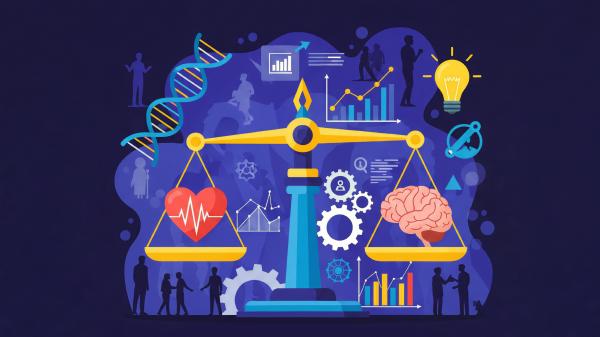
The intricate tapestry of human behavior, woven from threads of cognition, emotion, social interaction, and environmental influence, presents some of the most compelling and complex challenges of our time. From understanding the roots of mental illness to designing effective public health campaigns, and from deciphering economic decisions to fostering sustainable practices, behavioral science sits at the nexus of societal well-being. Yet, for too long, research in this vital domain has often operated within the confines of disciplinary silos. Psychologists analyzed the mind, economists modeled markets, sociologists examined social structures, and neuroscientists delved into the brain, each contributing invaluable pieces to the puzzle. However, the truly transformative insights, the innovative solutions that can meaningfully address the multifaceted issues we face, often emerge from the vibrant intersections of these distinct fields.
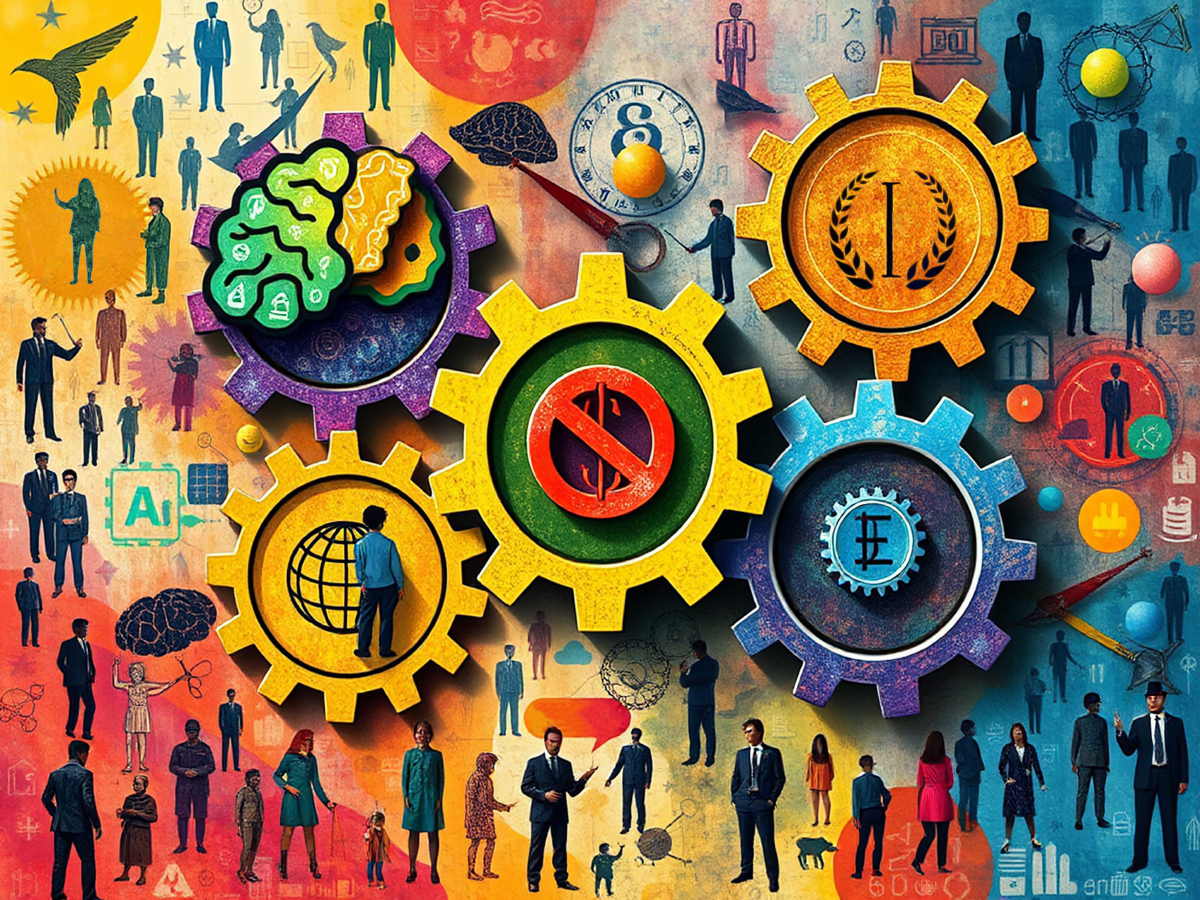
This article champions collaborative research, an approach that transcends traditional boundaries to integrate diverse knowledge domains, methodologies, and perspectives. It’s more than just putting different experts in the same room; it’s about fostering a genuine synthesis where ideas cross-pollinate, assumptions are challenged, and novel frameworks are forged. While multidisciplinary work involves experts from different fields working on separate aspects of a problem, and interdisciplinary research sees them collaborating and integrating their approaches, the ultimate aim is often a transdisciplinary fusion, where new concepts and methodologies emerge that transcend the original disciplines entirely.
The central premise of this article is clear: integrating diverse fields is not merely beneficial but essential for fostering innovative solutions and accelerating progress in behavioral science. We will explore the myriad benefits of this approach, illustrating how it enriches theoretical understanding, expands methodological toolkits, and drives tangible real-world impact. We will then delve into specific domains where interdisciplinary collaboration has already proven its worth, showcasing its power in areas ranging from mental health to public policy and the digital realm. Recognizing that such ambitious undertakings are not without their hurdles, we will also address the practical challenges and offer concrete strategies for fostering successful collaborations. Finally, we will gaze into the future, envisioning how an increasingly integrated approach can unlock unprecedented potential in behavioral science, ultimately equipping us to better understand and shape human experience.
The Untapped Potential: Benefits of Interdisciplinary Collaboration in Behavioral Science#
The traditional academic structure fosters deep expertise within specific areas but often inadvertently limits the scope and impact of research. When behavioral scientists break free from these confines and embrace collaboration, they unlock a wealth of advantages that propel discovery and innovation.
Novel Methodologies and Analytical Tools#
One of the most immediate and profound benefits of interdisciplinary collaboration is the ability to access and integrate novel methodologies and analytical tools. A psychologist, for instance, might rely heavily on surveys and experimental designs. However, by partnering with a computer scientist, they can leverage sophisticated machine learning algorithms to analyze vast datasets of human behavior gleaned from social media, wearable devices, or online interactions. This collaboration allows for the identification of patterns and the making of predictions that traditional methods might miss. Consider the challenge of understanding consumer behavior: an economist brings models of rational choice, a psychologist offers insights into cognitive biases, and a data scientist provides the tools to process and interpret massive transaction logs, enabling a far richer understanding than any single perspective could achieve.
Similarly, the integration of neuroscience into psychological research has revolutionized our understanding of cognitive processes. Techniques like fMRI or EEG, once primarily the domain of neuroscientists, are now routinely employed by cognitive psychologists to observe brain activity during decision-making, emotional processing, or learning. This cross-pollination allows behavioral scientists to move beyond self-report and overt behavior, providing a deeper, more biological lens into the mechanisms underlying human actions. The precision and scale offered by computational approaches, combined with the nuanced understanding of human experience from psychology, create a powerful synergy. We see this in the development of sophisticated models that predict disease outbreaks based on social network data, or in the creation of personalized educational interventions informed by both cognitive science and AI.
Broader Theoretical Perspectives and Conceptual Frameworks#
Scientific progress often hinges on the evolution of theoretical frameworks. When researchers from different fields converge, they bring with them distinct theoretical lenses, conceptual models, and underlying assumptions. This intellectual cross-pollination can lead to the formation of broader theoretical perspectives and innovative conceptual frameworks that transcend the limitations of any single discipline.
Imagine studying the phenomenon of human cooperation. A social psychologist might focus on group dynamics and social norms, while an evolutionary biologist might consider the adaptive benefits of cooperation over millennia, and an economist might analyze game theory models of strategic interaction. Bringing these perspectives together can lead to a more comprehensive theory of cooperation that accounts for both proximate psychological mechanisms and ultimate evolutionary pressures, while also predicting behavior in specific economic contexts. This integrated view allows for the development of richer, more robust theories that can explain a wider range of phenomena and generate novel, testable hypotheses.
Another compelling example lies in the study of human decision-making. While psychology has long explored cognitive biases and heuristics, the introduction of insights from behavioral economics, which blends psychology with economic theory, has led to a richer understanding of how deviations from “rationality” impact real-world choices. Further integrating neuroscience into this mix allows researchers to pinpoint the neural correlates of these biases, creating a truly multidisciplinary understanding of why we make the choices we do, for better or worse. This synthesis doesn’t just add pieces to a puzzle; it often redefines the entire picture, leading to entirely new lines of inquiry.
Enhanced Problem-Solving and Real-World Impact (Translational Research)#
Perhaps the most compelling argument for collaborative research is its unparalleled capacity for enhanced problem-solving and driving real-world impact. Many of the grand challenges facing humanity are inherently behavioral, yet their solutions require more than just psychological insight. They demand a translational approach, where research findings are effectively converted into practical applications.
Consider the global challenge of climate change. While environmental scientists provide the data on its impacts, it is behavioral scientists, often working in collaboration with economists, sociologists, and policymakers, who can design interventions to encourage sustainable behaviors, such as reducing energy consumption or adopting public transportation. A social psychologist might understand the power of social norms, a behavioral economist might design “nudges” to make sustainable choices easier, and a communications expert might craft persuasive messages. The synergy here is crucial: scientific knowledge alone doesn’t change behavior; it needs to be strategically applied and communicated.
In the realm of public health, collaborative research has been a game-changer. Developing effective campaigns to promote vaccine uptake, combat obesity, or reduce substance abuse requires a deep understanding of individual psychology, social networks, cultural factors, and economic incentives. Public health professionals, epidemiologists, psychologists, sociologists, and communication specialists must work hand-in-hand to design, implement, and evaluate interventions that resonate with diverse populations and address the multifaceted determinants of health. The advent of digital health interventions, for instance, necessitates a collaboration between psychologists designing the behavioral content, computer scientists building the platforms, and public health experts ensuring scalability and reach. This type of collaborative effort ensures that research doesn’t just inform but actively shapes policy and practice, leading to tangible improvements in people’s lives.
Increased Creativity and Idea Generation#
When individuals with diverse backgrounds and intellectual histories come together, the potential for increased creativity and novel idea generation explodes. Each discipline brings its own set of assumptions, its favored ways of asking questions, and its established methods. When these different lenses are applied to the same problem, they can challenge conventional wisdom, expose blind spots, and illuminate entirely new avenues for exploration.
Imagine a brainstorming session on how to reduce traffic congestion. An urban planner might suggest infrastructure changes, an economist might propose congestion pricing, and a behavioral psychologist might focus on encouraging public transport use through habit formation. But what if a computer scientist suggests using AI to predict traffic flow patterns and dynamically adjust public transport schedules, or a sociologist points to the role of social comparison in car ownership? These disparate ideas, when combined and iterated upon, can lead to solutions far more innovative and comprehensive than any single field could conceive.
The “serendipity” factor in interdisciplinary interactions is often underestimated. Unplanned conversations, casual exchanges of ideas, or even disagreements about basic principles can spark unexpected insights. When researchers are exposed to different ways of thinking, they are forced to re-examine their assumptions, leading to a more flexible and adaptable intellectual approach. This intellectual friction, when managed constructively, is a powerful catalyst for innovation, fostering a research environment where the “aha!” moments are more frequent and impactful.
Access to Diverse Funding Opportunities and Resources#
In today’s competitive research landscape, securing funding is often a significant hurdle. Many funding bodies are increasingly recognizing the value and necessity of addressing complex problems through integrated approaches. Consequently, collaborative research often gains access to a broader spectrum of funding opportunities that explicitly prioritize interdisciplinary proposals. These grants are designed to tackle grand challenges that no single discipline can solve alone, making well-structured collaborative projects highly attractive.
Beyond direct funding, interdisciplinary teams can also leverage diverse resources. This might include access to specialized equipment (e.g., neuroimaging scanners, advanced computing clusters), unique datasets (e.g., large-scale epidemiological cohorts, social media archives), or even specialized laboratories and facilities that no single department could afford or maintain. Sharing these resources optimizes efficiency and allows researchers to pursue lines of inquiry that would otherwise be impossible. Furthermore, collaborative projects often bring together individuals from different institutions, expanding networks and potentially leading to access to even wider resources and expertise. This strategic pooling of intellectual and material capital amplifies the research capacity of all involved, pushing the boundaries of what is possible in behavioral science.
Key Domains Benefiting from Integrated Approaches#
The theoretical advantages of collaborative research in behavioral science are not just conceptual; they are powerfully demonstrated in practice across a multitude of domains. Here, we delve into specific areas where the integration of diverse fields has already yielded significant breakthroughs and continues to promise even greater innovation.
Mental Health and Well-being
The landscape of mental health and well-being is arguably one of the most compelling arenas for interdisciplinary collaboration. Mental illnesses are rarely, if ever, purely psychological. Their etiology and manifestations are deeply intertwined with biological, social, genetic, environmental, and economic factors.
- Clinical Psychology + Neuroscience + Genetics: Understanding the complex interplay of these fields is crucial for developing targeted interventions. Neuroscientists and geneticists can identify biomarkers and genetic predispositions for conditions like depression, anxiety, or schizophrenia, providing insights into the biological underpinnings. Clinical psychologists then use this knowledge to refine diagnostic criteria, develop more precise therapeutic approaches, and even explore personalized medicine strategies based on an individual’s genetic profile or neural activity. For example, research might combine genetic risk scores with psychological assessments to predict treatment response, guiding clinicians towards the most effective therapy for a particular patient.
- Psychology + Computer Science: The digital revolution has opened entirely new avenues for mental health support. The collaboration between psychologists and computer scientists has led to the development of digital mental health interventions – mobile apps, online therapy platforms, and even virtual reality (VR) therapy. Psychologists contribute expertise in evidence-based therapeutic techniques (e.g., cognitive behavioral therapy), while computer scientists design user-friendly interfaces, implement algorithms for personalized feedback, and ensure data security. AI-driven diagnostics, which can analyze speech patterns, facial expressions, or digital communication to detect early signs of mental distress, are another powerful outcome of this collaboration. VR therapy for phobias or PTSD allows patients to safely confront triggers in a controlled, immersive environment designed by technologists and guided by therapeutic principles.
- Sociology + Public Health + Psychology: Beyond individual-level interventions, addressing mental health disparities requires a broader lens. Sociologists shed light on the social determinants of mental health, such as poverty, discrimination, and access to resources. Public health experts contribute epidemiological insights into population-level trends and intervention strategies. Psychologists provide an understanding of individual resilience, coping mechanisms, and the impact of stress. This collaborative approach leads to more holistic community-based interventions, public policy changes that promote mental well-being (e.g., affordable housing, anti-discrimination laws), and preventative programs that tackle systemic issues rather than just individual symptoms.
Behavioral Economics and Decision Science#
The field of behavioral economics is a prime example of successful disciplinary integration, born from the recognition that traditional economic models, which often assume perfect rationality, failed to adequately explain real-world human behavior.
- Psychology + Economics + Neuroscience: This powerful triad has fundamentally reshaped our understanding of decision-making. Psychologists contribute insights into cognitive biases, heuristics, and the role of emotions in choice. Economists bring rigorous analytical frameworks, game theory, and an understanding of markets and incentives. Neuroscientists add a layer of biological understanding, revealing the brain processes that underpin economic choices, risk assessment, and reward processing. This collaboration has not only explained seemingly “irrational” behaviors (like procrastination or overspending) but also led to the development of “nudges” – subtle interventions designed to steer individuals towards better choices without restricting their freedom. Governments around the world now employ behavioral insights teams to design policies that encourage healthier eating, higher savings rates, or greater energy efficiency.
- Computer Science + Behavioral Economics: The digital age has further amplified this synergy. Computer scientists can now create sophisticated simulations and online experiments to test behavioral economic theories on a scale. They also build platforms that leverage behavioral insights to optimize user experience, personalize marketing, and design persuasive interfaces. For example, understanding how people respond to different choice architectures in online shopping carts can lead to increased sales or more ethical consumer behavior. The analysis of vast online data sets allows researchers to observe naturalistic decision-making in real-time, providing invaluable insights that complement traditional lab experiments.
Public Policy and Social Interventions#
Effective public policy and social interventions require a deep understanding of human behavior to ensure that policies are not only well-intentioned but also genuinely effective and adopted by the target population. This is a domain where a multidisciplinary approach is critical.
- Psychology + Political Science + Sociology + Public Health: Designing campaigns for civic engagement, promoting environmentally friendly behaviors, or encouraging adherence to public health guidelines demands insights from multiple disciplines. Political scientists understand governance structures and political processes. Sociologists illuminate social norms, group dynamics, and cultural influences. Public health experts provide epidemiological data and insights into population-level health determinants. Psychologists contribute expertise on motivation, persuasion, attitude change, and habit formation. When these fields collaborate, they can design policies that are not just legally sound but also psychologically resonant and socially acceptable, leading to higher compliance and greater impact. For instance, encouraging vaccine uptake might involve understanding the psychological drivers of hesitancy, leveraging social networks for communication, and designing policy incentives that align with economic principles.
- Law + Psychology: The legal system is inherently behavioral. Understanding eyewitness testimony, jury decision-making, criminal behavior, and the effectiveness of deterrents benefits immensely from the integration of law and psychology. Psychologists can provide empirical data on memory fallibility, decision biases, and the impact of various legal procedures on individuals. This collaboration can lead to more just legal practices, informed policy decisions regarding criminal justice reform, and a better understanding of human behavior within the judicial context.
Human-Computer Interaction (HCI) and Digital Behavior
In our increasingly digital world, understanding how humans interact with technology is paramount. The field of Human-Computer Interaction (HCI) is inherently interdisciplinary, standing at the crossroads of behavioral science, computer science, and design.
- Psychology + Computer Science + Design: Psychologists contribute their understanding of cognitive processes, user perception, motivation, and emotion to design user-friendly and intuitive interfaces. Computer scientists provide the technical expertise to build these systems. Designers ensure aesthetic appeal and functional usability. This collaboration aims to create technology that is not just functional but also enhances human experience, minimizes frustration, and promotes desired behaviors. Think of how understanding cognitive load (from psychology) informs the design of a simple app interface, or how insights into persuasive technology can encourage healthy habits through gamification.
- Understanding Online Social Dynamics and Misinformation: The proliferation of social media platforms has created new behavioral phenomena that demand interdisciplinary analysis. Psychologists and sociologists analyze how social media influences self-esteem, social comparison, and group polarization. Computer scientists develop algorithms to detect misinformation or abusive content. This collaboration is crucial for mitigating the negative impacts of digital technology and fostering healthier online environments. For example, understanding the psychological vulnerabilities that make people susceptible to fake news, combined with computational methods for identifying and flagging such content, can lead to more effective interventions.
Education and Learning
Optimizing education and learning environments for children and adults requires a deep understanding of how people acquire knowledge, develop skills, and are motivated to learn. This domain significantly benefits from interdisciplinary approaches.
- Cognitive Psychology + Neuroscience + Education: Cognitive psychologists study memory, attention, problem-solving, and language acquisition, providing foundational theories of learning. Neuroscientists contribute insights into brain development, plasticity, and the neural mechanisms underlying learning and memory formation. Educators apply these insights to classroom practices, curriculum design, and pedagogical strategies. For instance, understanding the optimal timing for feedback (from cognitive psychology) or the impact of stress on memory (from neuroscience) can directly inform teaching methods.
- Psychology + Computer Science (EdTech): The rapid growth of educational technology (EdTech) platforms necessitates collaboration between behavioral scientists and computer scientists. Psychologists inform the design of adaptive learning systems that personalize instruction based on individual learning styles and progress. Computer scientists build the algorithms and interfaces for these platforms, leveraging data analytics to identify areas where students struggle and provide targeted support. This collaboration aims to create more effective, engaging, and equitable learning experiences, harnessing technology to scale personalized education.
Navigating the Landscape: Challenges and Facilitators of Collaborative Research#
While the benefits of interdisciplinary collaboration in behavioral science are immense, embarking on such ventures is not without its complexities. Researchers must navigate a unique set of challenges, from communication hurdles to logistical complexities. However, understanding these obstacles also illuminates the pathways to effective facilitation and successful outcomes.
Challenges#
- Communication Barriers: Disciplinary Jargon and Epistemological Differences: One of the most common stumbling blocks is the sheer difficulty of communication. Each discipline possesses its own specialized vocabulary, shorthand, and theoretical constructs that can be opaque to outsiders. What a “variable” means to a statistician might differ subtly from its meaning to a sociologist, and a “model” for a computer scientist might look nothing like a “model” for a psychologist. Beyond jargon, there are deeper epistemological differences – fundamental disagreements about what constitutes valid knowledge, how truth is established, and which research questions are most important. A qualitative researcher might prioritize rich, contextualized narratives, while a quantitative researcher seeks generalizable statistical patterns. Reconciling these different approaches requires patience and a genuine willingness to understand alternative perspectives.
- Methodological Mismatches: Hand in hand with epistemological differences are methodological mismatches. Different fields have different standards of evidence, preferred research designs, and analytical techniques. A sociologist might favor ethnographic studies, a neuroscientist might rely on highly controlled laboratory experiments with specialized equipment, and an economist might use econometric modeling of large datasets. Integrating these disparate methods can be challenging, requiring researchers to learn new techniques or adapt their own to fit the collaborative framework. Disagreements can arise over data collection protocols, statistical analyses, and even the interpretation of findings, as each discipline brings its own biases and assumptions about what constitutes rigorous research.
- Logistical Hurdles: Collaborative projects, especially those spanning multiple institutions, can be logistical nightmares. Scheduling meetings across different time zones, managing shared files and data, coordinating research ethics approvals (which can vary between institutions), and simply finding common physical or virtual space can be arduous. Large teams also require more sophisticated project management to ensure everyone is on the same page, tasks are delegated effectively, and progress is tracked systematically.
- Credit and Authorship Allocation: This is a perennial challenge in any collaborative endeavor, amplified in interdisciplinary teams. Researchers from different fields may have different norms regarding authorship order, publication venues, and recognition for various contributions. What constitutes a “significant contribution” to a psychologist might differ from an economist or a computer scientist. Ensuring equitable distribution of credit and recognition, avoiding resentment, and clearly defining roles and contributions from the outset are crucial for maintaining team cohesion and motivation.
- Funding Structures and Institutional Inertia: Paradoxically, while many funding bodies now advocate for interdisciplinary research, their underlying structures can still be largely siloed. Grant applications might be reviewed by experts primarily from one discipline, who may not fully appreciate the value or rigor of methods from other fields. Similarly, universities often struggle with institutional inertia. Traditional departmental structures, tenure and promotion criteria that prioritize publications in highly specialized disciplinary journals, and a lack of mechanisms for cross-departmental hiring can actively discourage interdisciplinary work. Junior faculty, in particular, may feel pressured to focus on single-discipline research to secure tenure.
Facilitators and Best Practices#
Despite these challenges, many successful interdisciplinary collaborations thrive. Their success often hinges on proactive strategies and the cultivation of certain best practices:
- Clear Communication and Shared Language: The first step to overcoming communication barriers is to actively work towards a shared understanding and language. This might involve regular, dedicated meetings where team members explain their disciplinary perspectives and methods in accessible terms. Creating a common lexicon or glossary of key terms can be incredibly helpful. It’s about learning to speak each other’s “scientific languages” and developing a shared conceptual framework for the project. Active listening and asking clarifying questions are paramount.
- Mutual Respect and Trust: At the heart of any successful collaboration is mutual respect and trust among team members. Researchers must genuinely value the contributions of every discipline, recognizing that each brings unique and essential insights to the table. This means acknowledging that one’s disciplinary approach is not the only valid one and being open to learning from others. Trust is built through consistent communication, shared commitment to the project goals, and transparent discussions about expectations and roles.
- Establishing Shared Goals and Vision: Before diving into the nitty-gritty of research, the team needs to spend significant time establishing shared goals and a clear vision for the project. This involves articulating the central research questions, defining the scope, and agreeing upon the desired outcomes. Early alignment on these fundamental aspects helps to mitigate potential misunderstandings and ensure that everyone is working towards the same objective, even if their contributions come from different angles.
- Effective Project Management and Leadership: Large, complex interdisciplinary projects require robust project management to keep things on track. This might involve assigning a dedicated project manager, establishing regular communication channels, setting clear milestones and deadlines, and using collaborative tools (e.g., shared drives, project management software). Strong leadership is also crucial – leaders who can articulate the vision, mediate disagreements, foster a supportive environment, and advocate for the team within institutional structures.
- Interdisciplinary Training Programs: To cultivate the next generation of collaborative researchers, academic institutions need to invest in interdisciplinary training programs. This includes graduate courses that expose students to different methodologies and theoretical traditions, workshops on team science, and opportunities for interdisciplinary mentorship. Encouraging students to pursue minors or dual degrees in different fields can also foster a more integrated mindset from an early stage.
- Incentives and Recognition: For interdisciplinary research to truly flourish, universities and funding agencies must align incentives and recognition with its value. This means reforming tenure and promotion criteria to explicitly reward collaborative publications in high-impact interdisciplinary journals, contributions to team science, and successful grant acquisition as part of a collaborative team. Funding bodies should continue to prioritize interdisciplinary proposals and streamline review processes for them.
- Physical and Virtual Spaces for Interaction: Sometimes, simply facilitating opportunities for informal interaction can be incredibly effective. Creating physical co-working spaces where researchers from different departments can regularly cross paths, or establishing virtual collaborative platforms that encourage spontaneous discussions, can spark new ideas and strengthen team bonds. Even social events or retreats can help bridge disciplinary divides and build personal rapport, which is essential for effective collaboration.
Case Studies of Successful Collaborative Projects#
Theory is one thing, but concrete examples truly demonstrate the power of collaborative research. While the specific details of ongoing research can be complex and are constantly evolving, we can illustrate the impact of interdisciplinary efforts through composite examples that reflect real-world trends and breakthroughs.
Case Study 1: Precision Mental Health for Depression
The Problem: Depression is a highly prevalent and debilitating mental health condition, yet current treatments (medication and psychotherapy) are often a “one-size-fits-all” approach, leading to varying levels of efficacy and significant trial-and-error periods for patients. Understanding why certain individuals respond to specific treatments and others don’t has been a major challenge.
Disciplines Involved: Clinical Psychology, Neuroscience (Cognitive Neuroscience, Neuroimaging), Genetics (Pharmacogenomics), Computer Science (Machine Learning, AI), Statistics, Psychiatry.
How Integration Led to Innovation:
A large-scale consortium, let’s call it the “Predictive Psychiatry Initiative,” was formed.
- Clinical Psychologists and Psychiatrists designed rigorous clinical trials, carefully assessing patient symptoms, treatment history, and response to various interventions. They provided a deep understanding of the clinical presentation and diagnostic criteria for depression.
- Neuroscientists used advanced neuroimaging techniques (fMRI, EEG) to map brain activity patterns in patients before, during, and after treatment. They hypothesized that specific neural signatures might predict treatment response. For example, patterns of connectivity in certain brain networks could indicate a propensity to respond well to cognitive behavioral therapy versus a specific antidepressant.
- Geneticists collected DNA samples from patients and conducted extensive genetic profiling, particularly focusing on pharmacogenomics – the study of how genes affect a person’s response to drugs. They looked for genetic markers associated with antidepressant metabolism or neural receptor sensitivity.
- Computer Scientists and Statisticians were the glue, building sophisticated machine learning models. They ingested the massive datasets generated by the clinical assessments, neuroimaging scans, and genetic analyses. Their algorithms were tasked with identifying complex patterns and correlations that would be invisible to the human eye. They developed predictive models to forecast which patients would respond best to which treatment, or which individuals were at highest risk of relapse.
Impact and Key Lessons:
The Predictive Psychiatry Initiative led to a significant breakthrough: the development of clinically viable algorithms that could predict antidepressant response with a much higher accuracy than traditional methods. While still in advanced research stages, initial trials showed that guiding treatment choices based on these integrated data profiles could reduce the time to remission for many patients, minimize adverse side effects, and optimize resource allocation. This collaboration highlighted:
- The necessity of large, diverse datasets that span multiple levels of analysis (genes, brain, behavior).
- The power of machine learning to uncover hidden patterns in complex biological and behavioral data.
- The critical role of clinical expertise in grounding the computational models in real-world patient care.
- The immense potential of personalized medicine in mental health, moving beyond trial-and-error.
Case Study 2: Nudging Sustainable Energy Consumption
The Problem: Despite growing awareness of climate change, individuals often struggle to translate their environmental concerns into consistent, sustainable energy behaviors at home. Traditional approaches like public information campaigns or financial incentives alone often have limited impact.
Disciplines Involved: Behavioral Economics, Social Psychology, Environmental Science, Data Science, Public Policy.
How Integration Led to Innovation:
A collaborative project, let’s call it “Green Nudges,” aimed to apply behavioral insights to encourage household energy conservation.
- Environmental Scientists provided baseline data on energy consumption patterns, carbon footprints, and the environmental impact of various household behaviors.
- Behavioral Economists drew on theories of bounded rationality, loss aversion, and framing effects. They posited that simple, non-coercive interventions could shift behavior more effectively than large financial incentives. For example, they designed “social norm” messages, showing households how their energy consumption is compared to their efficient neighbors. They also explored “defaults” – making the sustainable choice the easiest or pre-selected option.
- Social Psychologists contributed insights into the power of social influence, identity, and the formation of habits. They helped design messages that appealed to community belonging and personal responsibility and explored how commitment devices could solidify new behaviors.
- Data Scientists worked with energy companies to access and analyze vast amounts of real-time household energy consumption data. They built models to identify “excess” consumption, track behavioral changes, and segment households based on their consumption patterns and responsiveness to different nudges.
- Public Policy experts worked with local governments and utility companies to implement and scale these interventions, ensuring they were legally permissible and practical for widespread adoption.
Impact and Key Lessons:
The “Green Nudges” initiative demonstrated significant reductions in household energy consumption across diverse populations, often at a lower cost than traditional incentive programs. For example, households receiving personalized energy reports that compared their usage to that of their efficient neighbors showed a consistent reduction in energy use. This collaboration demonstrated:
- The effectiveness of subtle behavioral interventions (“nudges”) over costly or coercive policies.
- The power of social norms and psychological principles to drive environmental behavior.
- The critical role of data analytics in identifying target behaviors, measuring impact, and personalizing interventions on scale.
- The importance of embedding behavioral science directly into public policy and business practices.
Case Study 3: Designing Intelligent Tutoring Systems for STEM Education
The Problem: Students often struggle with complex STEM (Science, Technology, Engineering, Mathematics) concepts, leading to high dropout rates and skill gaps. Traditional classroom settings often lack the capacity for personalized, adaptive instruction tailored to each student’s unique learning style and pace.
Disciplines Involved: Cognitive Psychology, Educational Psychology, Computer Science (Artificial Intelligence, Machine Learning), Data Science, Education.
How Integration Led to Innovation:
A research group, let’s call it the “Adaptive Learning Lab,” focused on developing intelligent tutoring systems (ITS).
- Cognitive Psychologists and Educational Psychologists provided a deep understanding of how humans learn, what makes learning effective, how memory works, how problem-solving skills develop, and common misconceptions or learning obstacles in STEM. They defined the pedagogical principles that the ITS should embody.
- Computer Scientists (AI/ML specialists) developed the core algorithms for the ITS. They built student models that tracked individual progress, identified knowledge gaps, and predicted future learning needs. They designed adaptive algorithms to select optimal learning materials, provide personalized feedback, and present problems at the appropriate level of difficulty. This often involved developing novel machine learning techniques to interpret student responses and provide meaningful insights.
- Data Scientists were crucial for processing the enormous amounts of data generated by students interacting with the ITS – clickstreams, response times, error patterns, and progression paths. They used this data to refine the algorithms, identify common learning pathways, and evaluate the system’s effectiveness.
- Educators provided real-world classroom context, helped translate psychological theories into practical instructional design, and tested the systems in pilot classrooms. They ensured the ITS was usable, engaging, and aligned with curriculum goals.
Impact and Key Lessons:
The Adaptive Learning Lab’s ITS demonstrated significant improvements in student learning outcomes, particularly in complex subjects like calculus or physics. Students using the ITS often showed faster mastery of concepts, better retention, and increased motivation compared to traditional instruction. This collaboration highlighted:
- The ability of AI to provide personalized learning experiences at scale, something traditionally impossible in large classrooms.
- The crucial role of cognitive science is in informing the design of effective learning algorithms, ensuring that technology supports human learning processes.
- The power of data-driven optimization in refining educational interventions.
- The necessity of integrating theoretical pedagogical knowledge with cutting-edge technological development to revolutionize education.
These case studies, while composite, underscore a fundamental truth: the most profound and impactful solutions to complex behavioral challenges emerge when researchers dare to look beyond the boundaries of their immediate disciplines and embrace the rich potential of collaborative integration.
Future Directions and Recommendations#
The journey of collaborative research in behavioral science is still very much in its nascent stages, yet its trajectory is undeniably upward. As we look to the horizon, several exciting future directions emerge, accompanied by clear recommendations for how to nurture and accelerate this transformative approach.
Expanding the Scope of Integration#
The current landscape of interdisciplinary behavioral science, while vibrant, largely focuses on the core fields of psychology, economics, neuroscience, and computer science. The future demands an even broader vision, expanding the scope of integration to include disciplines that, at first glance, might seem less directly related but offer profound insights.
Consider the growing importance of environmental science in behavioral research. Understanding climate change behavior, conservation efforts, or the psychological impacts of natural disasters requires a deep partnership between behavioral scientists and environmental experts. Similarly, design thinking – an approach from the fields of industrial design and engineering – can offer crucial methodologies for user-centered problem-solving, helping behavioral scientists translate insights into tangible interventions and products.
The integration with ethics and law will also become increasingly critical, especially as behavioral science delves into sensitive areas like algorithmic bias, privacy in digital interventions, and the ethical implications of behavioral nudges in public policy. Legal scholars and ethicists can provide frameworks for responsible innovation, ensuring that the pursuit of behavioral insights aligns with societal values and safeguards individual rights.
Furthermore, the concept of “citizen science” and community engagement offers a powerful avenue for future collaboration. Involving the public in research design, data collection, and dissemination can not only generate vast and diverse datasets but also ensure that research questions are relevant to real-world problems and that solutions are tailored to the communities they are meant to serve. This transdisciplinary approach blurs the lines between researchers and the researched, fostering a more inclusive and impactful scientific enterprise.
Technological Advancements#
The accelerating pace of technological advancements will undoubtedly serve as a major catalyst for future collaborative research.
- Big Data, Machine Learning, and Artificial Intelligence (AI): These technologies will continue to enable and necessitate deeper collaborations. The ability to collect, process, and analyze enormous and diverse datasets (e.g., from social media, wearable sensors, genomic sequences, electronic health records) requires highly specialized computational expertise. Behavioral scientists will increasingly rely on AI to identify subtle patterns, predict outcomes, and generate hypotheses from these complex data landscapes, allowing them to test theories and design interventions with unprecedented precision. This will blur the lines between traditional quantitative methods and advanced computational approaches.
- Advanced Simulation and Virtual Reality (VR): The development of sophisticated simulation environments and immersive VR platforms will create new opportunities for behavioral research. These technologies allow researchers to study human behavior in controlled, yet highly realistic, settings that would be impossible or unethical to replicate in the real world. Collaborative teams comprising psychologists, computer scientists, and designers will be essential to create these environments and leverage them for studying complex social interactions, decision-making under stress, or the effectiveness of new therapeutic interventions.
- The Rise of “Team Science” Platforms: The future will likely see the proliferation of advanced digital platforms specifically designed to facilitate “team science.” These platforms will offer integrated tools for secure data sharing, collaborative coding, real-time document editing, project management, and cross-institutional communication. Such technological infrastructures will lower the logistical barriers to collaboration, making it easier for geographically dispersed and disciplinarily diverse teams to work seamlessly together.
Policy and Funding Recommendations#
To truly unleash the full potential of collaborative research, significant shifts are needed at the policy and funding levels.
- Advocate for Funding Mechanisms that Explicitly Support Interdisciplinary Proposals: Funding agencies should continue to expand and create new grant programs specifically designed for interdisciplinary and transdisciplinary research. These programs should utilize review panels comprised of experts from diverse fields who are equipped to assess the rigor and innovation of integrated approaches, rather than evaluating them solely through a single disciplinary lens. They should also consider offering longer funding cycles for complex collaborative projects, recognizing that building effective interdisciplinary teams and integrating methodologies takes time.
- Recommendations for Universities to Reform Tenure and Promotion Criteria: Academic institutions hold immense power in shaping research culture. Universities must reform their tenure and promotion criteria to explicitly reward and incentivize interdisciplinary work. This includes recognizing publications in high-impact interdisciplinary journals, valuing contributions to team science (even if they are not lead authorship on every paper), and acknowledging the effort involved in securing and managing large collaborative grants. Creating named interdisciplinary chairs or institutes can also signal institutional commitment.
- Call for Increased Interdisciplinary Training at All Academic Levels: The next generation of behavioral scientists must be equipped with the skills and mindset for collaboration. This means integrating interdisciplinary modules into undergraduate curricula, creating graduate programs that mandate exposure to diverse methodologies and theoretical perspectives, and offering professional development workshops on team science for faculty. Universities should also encourage joint appointments across departments and foster a culture where researchers are encouraged to venture beyond their primary disciplinary homes.
Cultivating an Interdisciplinary Mindset#
Ultimately, the success of collaborative research hinges on the researchers themselves. It requires a fundamental shift in mindset.
- Emphasize the Importance of Researchers Being Open to Learning New Paradigms and Methodologies: This involves moving beyond a narrow disciplinary focus and actively seeking to understand and appreciate alternative ways of thinking and researching. It means being comfortable with ambiguity and embracing the intellectual discomfort that can arise when engaging with perspectives different from one’s own.
- The Role of Humility and Intellectual Curiosity: Successful collaborators are intellectually curious, eager to learn from others, and possess a healthy dose of humility. They recognize that no single discipline holds all the answers and that the most profound insights often emerge from the synthesis of different knowledge systems. This humility allows researchers to ask “stupid questions” without embarrassment, to admit when they don’t understand disciplinary jargon, and to truly engage in a process of mutual education. It fosters an environment of psychological safety where innovative ideas can flourish.
Conclusion#
The challenges confronting humanity in the 21st century, from global pandemics and climate change to pervasive mental health crises and complex societal inequalities, are inherently multifaceted. They defy simple categorization and resist solutions confined to the boundaries of any single academic discipline. It has become abundantly clear that the traditional model of specialized, siloed research, while fostering deep expertise, is simply insufficient to tackle the intricate, behavioral dimensions of these grand challenges.
This article has championed the transformative power of collaborative research, arguing that the purposeful integration of diverse fields is not merely an optional enhancement but an essential imperative for generating truly innovative solutions in behavioral science. We have seen how breaking down disciplinary barriers unlocks an unparalleled wealth of benefits: it enriches our theoretical understanding by offering broader conceptual frameworks, expands our methodological toolkit with novel analytical approaches, and, critically, enhances our capacity for real-world problem-solving, ensuring that research findings translate into tangible, impactful interventions.
We have explored how this integrated approach is already yielding remarkable progress in critical domains: revolutionizing mental health treatment through the fusion of psychology, neuroscience, and computer science; reshaping public policy by blending insights from behavioral economics, sociology, and political science; and driving innovation in human-computer interaction by combining psychology, computer science, and design principles. These examples underscore that the most profound breakthroughs often occur at the vibrant interfaces between different knowledge domains.
Of course, the path of collaboration is not without its hurdles. Communication barriers, methodological mismatches, logistical complexities, and traditional academic structures can all impede progress. However, as we have discussed, these challenges are surmountable. They demand intentional effort, a commitment to mutual respect and trust, clear communication strategies, and the cultivation of effective project management. Moreover, for collaborative research to truly flourish, we need systemic changes: revamped funding mechanisms that prioritize interdisciplinary proposals, institutional reforms that reward team science, and a concerted investment in interdisciplinary training at every level of academia.
Looking ahead, the future of behavioral science is undeniably collaborative. As technology advances, offering unprecedented access to data and analytical tools, the imperative for interdisciplinary partnership will only intensify. By embracing an ever-expanding scope of integration, leveraging technological advancements, and fostering a culture of intellectual curiosity and humility, we can unlock an unprecedented capacity to understand, predict, and ultimately shape human behavior for the betterment of individuals and society.
The power of collaborative research is not just about doing science differently; it’s about doing science better. It’s about recognizing that the most profound insights lie not within the walls of a single discipline but in the open, dynamic spaces where diverse minds converge to tackle the world’s most pressing behavioral challenges. The time for behavioral science to fully embrace its collaborative destiny is now.
References#
- Adkisson, R. V. (2008). Nudge: Improving decisions about health, wealth and happiness. The Social Science Journal, 45(4), 700–701. https://doi.org/10.1016/j.soscij.2008.09.003
- Allcott, H. (2011). Social norms and energy conservation. Journal of Public Economics, 95(9–10), 1082–1095. https://doi.org/10.1016/j.jpubeco.2011.03.003
- Bennett, L. M., Gadlin, H., & Marchand, C. (2018). Collaboration and team science: A field guide (2nd ed.). National Cancer Institute, National Institutes of Health. https://www.govinfo.gov/content/pkg/GOVPUB-HE20_3150-PURL-gpo114532/pdf/GOVPUB-HE20_3150-PURL-gpo114532.pdf
- Bromham, L., Dinnage, R., & Hua, X. (2016). Interdisciplinary research has consistently lower funding success. Nature, 534(7609), 684–687. https://doi.org/10.1038/nature18315
- Camerer, C. F. (2013). Goals, methods, and progress in neuroeconomics. Annual Review of Economics, 5(1), 425–455. https://doi.org/10.1146/annurev-economics-082012-123040
- Camerer, C., Loewenstein, G., & Prelec, D. (2005). Neuroeconomics: How neuroscience can inform economics. Journal of Economic Literature, 43(1), 9–64. https://doi.org/10.1257/0022051053737843
- Falk, E. B., & Bassett, D. S. (2017). Brain and social networks: Fundamental building blocks of human experience. Trends in Cognitive Sciences, 21(9), 674–690. https://doi.org/10.1016/j.tics.2017.06.009
- Halpern, D. (2015). Inside the nudge unit: How small changes can make a big difference. WH Allen.
- Insel, T. R., & Cuthbert, B. N. (2015). Brain disorders? Precisely: Precision medicine comes to psychiatry. Science, 348(6234), 499–500. https://doi.org/10.1126/science.aab2358
- Kahneman, D., & Tversky, A. (1979). Prospect theory: An analysis of decision under risk. Econometrica, 47(2), 263–291. https://doi.org/10.2307/1914185
- Kazdin, A. E., & Blase, S. L. (2011). Rebooting psychotherapy research and practice to reduce the burden of mental illness. Perspectives on Psychological Science, 6(1), 21–37. https://doi.org/10.1177/1745691610393527
- Koedinger, K. R., Corbett, A. T., & Perfetti, C. (2012). The knowledge‐learning‐instruction framework: Bridging the science‐practice chasm to enhance robust student learning. Cognitive Science, 36(5), 757–798. https://doi.org/10.1111/j.1551-6709.2012.01245.x
- Meltzoff, A. N., Kuhl, P. K., Movellan, J., & Sejnowski, T. J. (2009). Foundations for a new science of learning. Science, 325(5938), 284–288. https://doi.org/10.1126/science.1175626
- Mohr, D. C., Zhang, M., & Schueller, S. M. (2017). Personal sensing: Understanding mental health using ubiquitous sensors and machine learning. Annual Review of Clinical Psychology, 13(1), 23–47. https://doi.org/10.1146/annurev-clinpsy-032816-044949
- Nielsen, M. W., Alegria, S., Börjeson, L., Etzkowitz, H., Falk-Krzesinski, H. J., Joshi, A., Leahey, E., Smith-Doerr, L., Woolley, A. W., & Schiebinger, L. (2017). Gender diversity leads to better science. Proceedings of the National Academy of Sciences, 114(8), 1740–1742. https://doi.org/10.1073/pnas.1700616114
- Stokols, D., Hall, K. L., Taylor, B. K., & Moser, R. P. (2008). The science of team science: Overview of the field and introduction to the supplement. American Journal of Preventive Medicine, 35(2, Suppl.), S77–S89. https://doi.org/10.1016/j.amepre.2008.05.002
- Van Bavel, J. J., Mende-Siedlecki, P., Brady, W. J., & Reinero, D. A. (2016). Contextual sensitivity in scientific reproducibility. Proceedings of the National Academy of Sciences, 113(23), 6454–6459. https://doi.org/10.1073/pnas.1521897113
- Weber, E. U. (2017). Breaking cognitive barriers to a sustainable future. Nature Human Behaviour, 1(1), Article 0013. https://doi.org/10.1038/s41562-016-0013