Introduction#
The field of behavioral science plays a crucial role in understanding human behavior and addressing complex societal issues, such as mental health, addiction, and social dynamics. Engaging young people in this discipline is vital for nurturing a new generation of scientists equipped to drive innovative solutions. Programs that focus on mentorship and citizen science projects have proven invaluable in motivating youth to pursue careers in behavioral science. This article examines the significance and effectiveness of these initiatives while addressing the challenges and ethical concerns related to youth engagement in science.
The Importance of Early Engagement in Behavioral Science#
Understanding Behavioral Science#
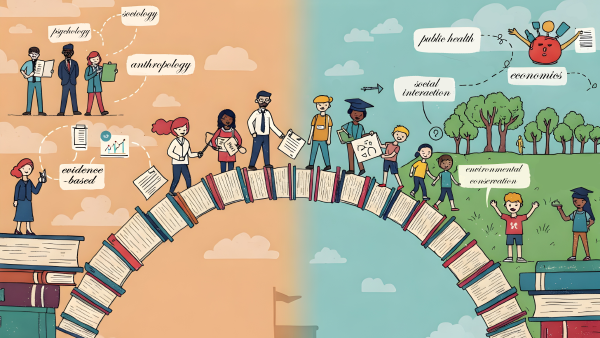
Behavioral science encompasses various disciplines, including psychology, sociology, anthropology, and cognitive science, focused on understanding the actions and interactions of individuals and groups. It provides insights into how people think, feel, and behave, which is crucial for addressing societal challenges such as crime, substance abuse, and mental health issues. Engaging young people in behavioral science can foster curiosity and a desire to contribute to the betterment of society.
Early Exposure and Its Impact#
Research shows that early exposure to science strongly influences students’ career choices. According to a study by the National Science Board (2018), students who engage with science-related activities before college are more likely to pursue STEM (Science, Technology, Engineering, and Mathematics) degrees. Behavioral science, as a branch of STEM, offers unique insights into societal issues, making it crucial to encourage youth participation from an early age.
Case Studies: Successful Early Engagement#
Engaging youth early in behavioral science through targeted programs can significantly impact their career trajectories and foster a lifelong interest in the field. Below are several exemplary case studies that illustrate how early engagement initiatives have successfully inspired young people to explore behavioral science.
Science Education Partnership Award (SEPA) Program#
The Science Education Partnership Award (SEPA) program, funded by the National Institutes of Health (NIH), supports innovative K-12 science education projects. One notable project under SEPA is the “Brain Awareness Week”, which aims to teach students about neuroscience and behavior. This program provides interactive workshops and hands-on activities, allowing students to explore brain anatomy, the nervous system, and the science of behavior through engaging experiments.
Psychology in Action Program#
The Psychology in Action program, developed by the American Psychological Association, aims to inspire high school students to explore psychology and its applications. The program features a series of interactive workshops where students engage in experiments, discussions, and role-playing scenarios that illustrate psychological concepts such as cognition, emotion, and social behavior.
Youth Environmental Science (YES) Program#
The Youth Environmental Science (YES) program integrates behavioral science with environmental studies, focusing on the connections between human behavior and environmental issues. This program engages high school students in projects that analyze local environmental challenges, such as pollution or resource management, through a behavioral lens.
Girls Who Code: Behavioral Insights Initiative#
The Girls Who Code program focuses on closing the gender gap in technology, but it also includes components that teach participants about the psychology of learning and collaboration. Through workshops that integrate behavioral science concepts, students learn about cognitive biases, teamwork dynamics, and effective communication.
The Role of Mentorship#
The Power of Mentorship#
Mentorship serves as a powerful mechanism for guiding young individuals toward careers in behavioral science. Programs that connect students with experienced professionals not only enhance academic interest but also build confidence and resilience.
Benefits of Mentorship#
- Skill Development: Mentorship provides hands-on experience in research, critical thinking, and problem-solving. Students in mentorship programs show improved academic performance and research skills.
- Networking Opportunities: Connections with professionals lead to internships, workshops, and further educational opportunities, enhancing career prospects.
- Increased Retention Rates: Students in mentorship programs are more likely to persist in their fields, as mentorship fosters a sense of belonging, aiding retention in STEM majors.
- Career Exploration: Mentorship allows students to explore various career paths within behavioral science, helping them make informed decisions about their futures.
- Personal Development: Mentorship helps students develop self-confidence, communication skills, and emotional intelligence, essential for workplace success.
Successful Mentorship Programs#
Many universities and organizations have implemented successful mentorship programs aimed at inspiring youth in the behavioral sciences. For instance, the National Science Foundation’s (NSF) Research Experiences for Undergraduates (REU) program provides opportunities for undergraduates to work alongside faculty mentors in research projects. Participants in these programs report on increased interest in pursuing advanced degrees and careers in science.
Moreover, the American Psychological Association (APA) has established mentorship initiatives that connect high school students with psychology professionals. These programs not only provide guidance but also facilitate workshops that enhance students’ understanding of behavioral science and its applications.
One successful example is the “Mentoring in Research” program, which pairs undergraduate students with graduate mentors in behavioral science research. This initiative helps students develop research skills and fosters personal connections, enhancing their confidence and interest in the field. Another initiative, the “Future Leaders in Behavioral Science”, connects young professionals with established researchers, promoting knowledge transfer and collaboration.
Citizen Science: An Engaging Approach#
What is Citizen Science?#
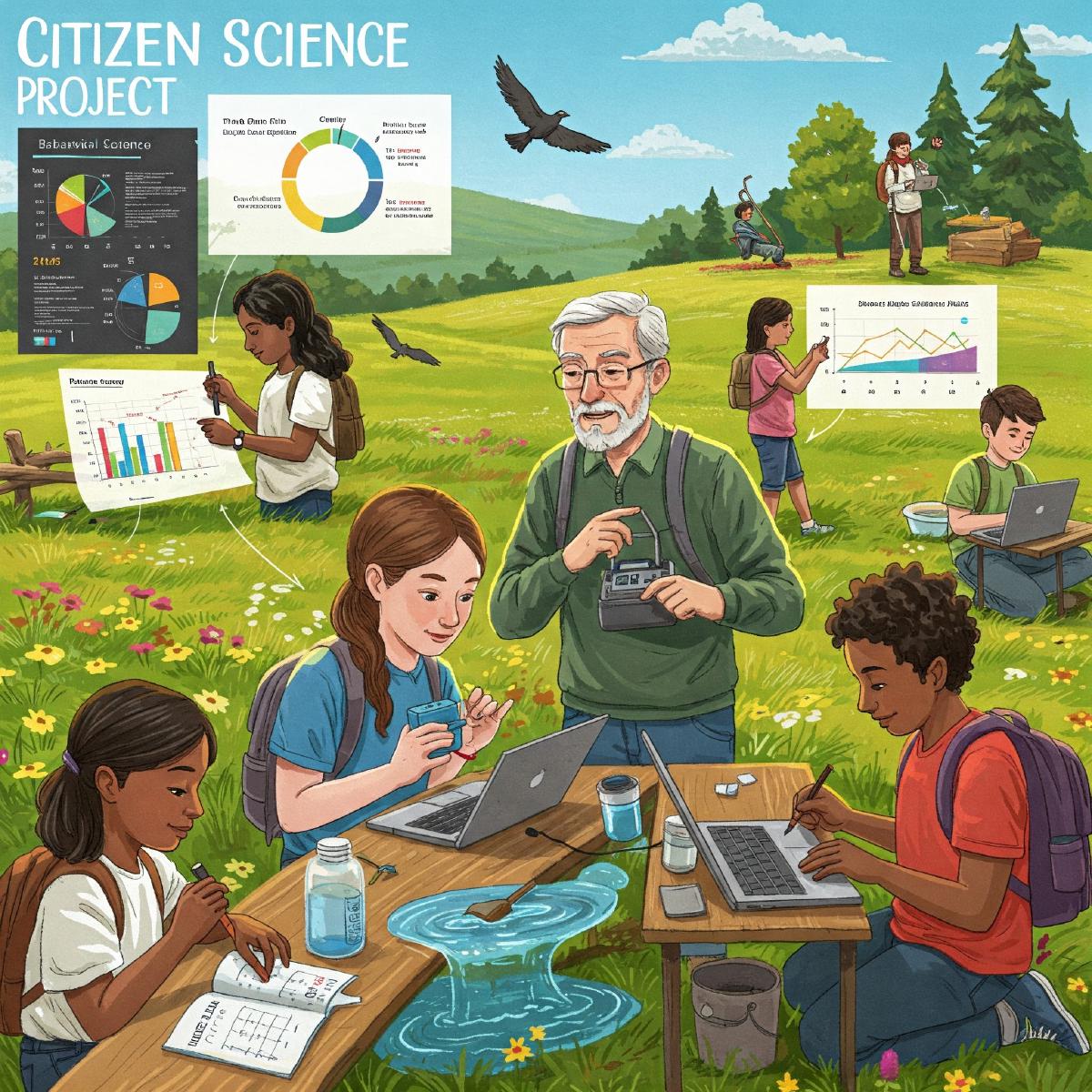
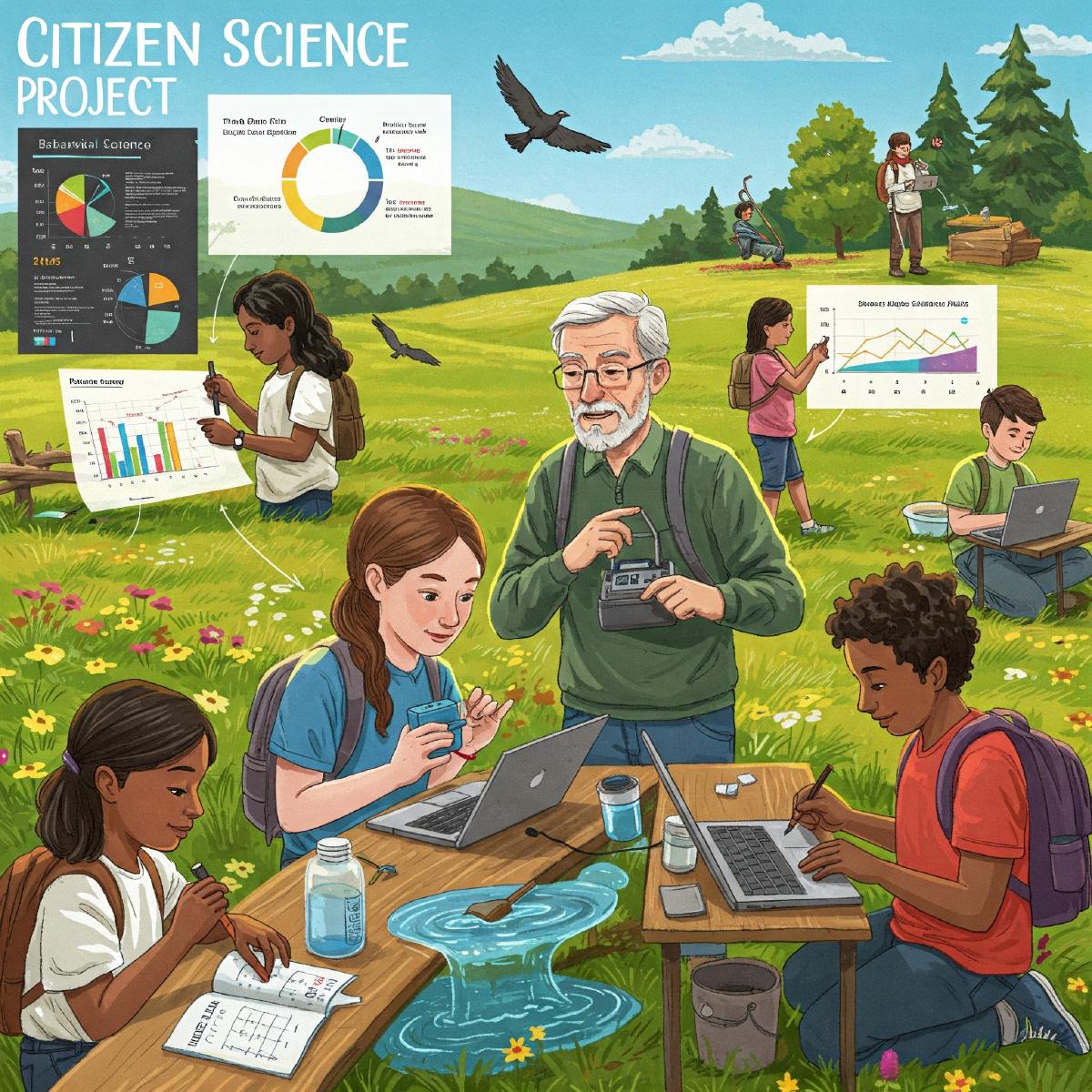
Citizen science involves the public in scientific research, allowing non-professionals to contribute to data collection, analysis, and interpretation. This approach democratizes science, making it accessible to individuals regardless of their educational background. Citizen science projects often address local issues, making them relevant and engaging for participants.
Benefits of Citizen Science#
- Real-World Applications: Citizen science projects let students apply theory in practice, enhancing their understanding of scientific methods and human behavior.
- Community Engagement: These projects address local issues, fostering a sense of responsibility and connection to the community, and motivating students to pursue related careers.
- Development of Teamwork and Leadership Skills: Collaborative projects help students develop teamwork, communication, and leadership skills, which are valued in academic and professional settings.
- Fostering Scientific Literacy: Citizen science promotes critical thinking and scientific literacy, enabling participants to understand and evaluate scientific processes.
- Encouraging Lifelong Learning: These projects spark curiosity and foster a lifelong interest in science and research, motivating further academic and professional pursuits in behavioral science.
Bridging the Gap: Integrating Mentorship and Citizen Science
The combination of mentorship and citizen science can create a comprehensive framework for engaging youth in behavioral science. By merging the personal guidance of mentors with the hands-on experience provided by citizen science, programs can offer a holistic approach to learning.
Collaborative Programs#
Some programs effectively merge these two approaches. For instance, the “Citizen Science Academy” pairs students with mentors who guide them through citizen science projects. This combination allows students to receive personalized support while actively participating in meaningful research.
Moreover, initiatives like the “Youth Science Network” facilitate connections between students and local scientists, encouraging collaborative projects that address community needs. This approach enhances students’ learning experiences and strengthens community ties.
In addition, programs like “Engage in Science” focus on pairing students with mentors who guide them through research projects that involve citizen science. This model ensures that participants benefit from both structured mentorship and practical research experience, leading to deeper learning and greater retention of knowledge.
Challenges in Engaging Youth in Behavioral Science#
While mentorship and citizen science programs offer significant benefits, several challenges can hinder their effectiveness in engaging youth in behavioral science.
- Access and Inclusive: Many programs may not reach underrepresented communities, limiting opportunities for diverse youth to engage in behavioral science. Addressing this issue requires targeted outreach and the development of inclusive programs that cater to a broad range of students. Collaborating with community organizations can help bridge the gap and ensure that programs are accessible to all.
- Resource Limitations: Schools and organizations often face budget constraints that can limit the availability of mentorship and citizen science programs. Securing funding and resources is critical for sustaining these initiatives and expanding their reach. Grant applications, partnerships with local businesses, and community fundraising efforts can provide necessary financial support.
- Mentor Availability: The success of mentorship programs relies heavily on the availability and commitment of mentors. Many professionals have demanding schedules, making it challenging to dedicate time to mentoring youth. Developing flexible mentoring structures, such as virtual mentorship or group mentoring sessions, can help alleviate this issue.
- Student Engagement: Maintaining student interest over time can be challenging, particularly in programs that require long-term commitment. Crafting engaging curricula and offering varied activities can help sustain enthusiasm for behavioral science. Incorporating technology, interactive workshops, and field trips can make the learning experience more dynamic and enjoyable.
- Balancing Structured and Unstructured Learning: While structured mentorship and citizen science projects provide valuable guidance, it is also important to allow for unstructured exploration. Reaching the right balance can be difficult, but it is essential for fostering creativity and independent thinking in young scientists. Encouraging students to pursue their interests within the framework of a project can lead to innovative outcomes.
- Measuring Impact: Assessing the effectiveness of mentorship and citizen science programs can be complex. Developing robust evaluation methods that measure both qualitative and quantitative outcomes is essential for demonstrating the value of these initiatives. Utilizing surveys, interviews, and performance metrics can help gather comprehensive data on program outcomes.
- Navigating Technology Challenges: Many citizen science projects rely on digital tools for data collection and analysis. Ensuring that all students have access to the necessary technology and training is essential. Programs should provide resources to help students navigate these tools, particularly for those from underserved communities.
Ethical Concerns in Engaging Youth in Science#
As we strive to engage youth in behavioral science, it is crucial to address the ethical considerations surrounding mentorship and citizen science programs. These concerns include:
- Informed Consent: When involving youth in research or citizen science projects, obtaining informed consent is vital. Parents or guardians should be fully informed about the nature of the project, potential risks, and the use of collected data. Clear communication and transparency are vital in building trust with participants and their families.
- Data Privacy: Ensuring the privacy and confidentiality of participants is essential, particularly when dealing with sensitive behavioral data. Programs must implement robust data management practices to protect participants’ information. This includes anonymizing data, securing files, and ensuring that only authorized personnel have access to sensitive information.
- Exploitation of Youth: There is a risk of exploiting young participants, particularly in citizen science projects that rely on volunteer labor. It is crucial to ensure that students receive appropriate recognition, support, and educational benefits from their involvement. Providing stipends, certificates, or other forms of recognition can help validate their contributions.
- Equity and Access: Programs must strive to provide equitable access to all youth, regardless of socioeconomic background. Ensuring that underrepresented groups are included in mentorship and citizen science initiatives is vital for promoting diversity and inclusivity. Partnering with community organizations can facilitate outreach and engagement efforts.
- Cultural Sensitivity: Programs engaging with diverse communities must be culturally sensitive and respectful of local norms and values. Involving community leaders in program design can help ensure that initiatives are relevant and respectful. Building relationships with communities fosters trust and encourages participation.
- Long-Term Impact: Consideration should be given to the long-term impact of engagement initiatives. Programs should aim to cultivate sustainable interest in behavioral science rather than temporary involvement by providing ongoing support and resources. Follow-up activities, alumni networks, and continued mentorship can help maintain engagement.
- Balancing Scientific Integrity and Engagement: While it is essential to engage youth in scientific research, programs must maintain scientific integrity. Ensuring that projects adhere to ethical research practices and produce valid results is critical for fostering a genuine interest in science and its applications.
Conclusion#
Engaging youth in the field of behavioral science through mentorship and citizen science projects is crucial for developing the next generation of researchers. These programs not only provide essential skills and knowledge but also instill a passion for discovery and a commitment to addressing societal challenges. By fostering mentorship relationships and encouraging participation in citizen science, we can effectively inspire young people to explore the dynamic field of behavioral science, ultimately paving the way for a more informed and engaged generation.
As we move forward, it is essential to address the challenges and ethical concerns associated with these initiatives. By ensuring access, inclusivity, and ethical practices, we can create a supportive environment that develops young talent in behavioral science. The future of this field depends on our ability to inspire and empower the next generation, equipping them with the skills and passion needed to address the pressing issues of our time.
References#
- Tinto, V. (1993). Leaving college: Rethinking the causes and cures of student attrition. University of Chicago Press.
- Falk, J. H., & Dierking, L. D. (2000). Learning from Museums: Visitor Experiences and the Making of Meaning. Altamira Press.
- National Research Council. (2012). A Framework for K-12 Science Education: Practices, Crosscutting Concepts, and Core Ideas. The National Academies Press.
- National Academies of Sciences, Engineering, and Medicine (2019). The Science of Effective Mentorship in STEMM. Washington, DC: The National Academies Press.
- Wilson J. Gonzalez-Espada & Daphne S. LaDue (2006). Evaluating the impact of NSF REU programs on undergraduate research experiences. Journal of Geoscience Education Volume 54, 2006 - Issue 5, 541-549.
- Mahsa Kazempour. (2014). The Interrelationship of Science Experiences, Beliefs, Attitudes, and Self-Efficacy. Journal of Education and Learning. Vol.8 (1) pp. 51-64.
- Yulianti, Temy. (2024). Investigating the Impacts of Inquiry-Based Learning on Students’ Understanding of Geographical Concepts. Future Space: Studies in Geo-Education. 1. 56-72. 10.69877/fssge.v1i1.9.
- Radclick NIJ, Bracey G, Gay Pl., Lintott C], Murray P, et al. (2010). Galaxy zoo: Exploring the motivations Of Citizen Science volunteers. Astron. Educ. Rev. 9: 1.
- National Science Board. (2018). Science and Engineering Indicators 2018. National Science Foundation.
- National Science Foundation. (2019). Women, Minorities, and Persons with Disabilities in Science and Engineering: 2019.
- Jansen, Martin, et al. (2024). Engaging Citizen Scientists in Biodiversity Monitoring: Insights from Wildlife! Project. Citizen Science: Theory and Practice, 9(1): 6, pp. 1–16.
- Kountoupes DL, Oberhauser KS. (2012). Citizen Science and youth audiences: educational outcomes of the Monarch Larva Monitoring Project.. Community Engagem. Scholarsh. 1(1): 10-20.
- Dalyot, Keren & Golumbic, Yaela. (2022). Citizen science in STEM education: engaging students with real-life science. 10.1016/b978-0-12-818630-5.13004-0.