
Introduction: The Epistemological Shift in Global Team Harmonization#
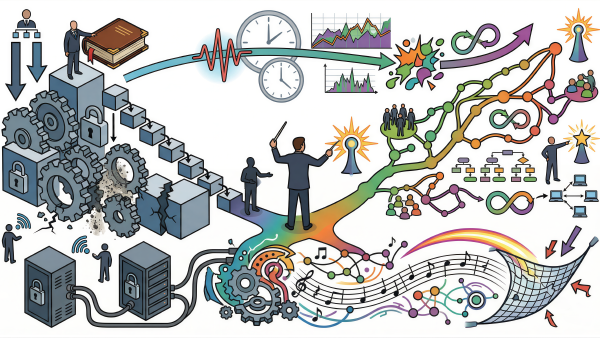
In the contemporary landscape of transnational business and global operations, the dynamics of harmonizing diverse, decentralized teams have grown increasingly complex. Historically, the dominant paradigm for organizational excellence relied heavily on the metaphor of the “well-oiled machine,” an architectural philosophy profoundly dependent on hierarchical control, rigid standardization, and top-down mandates. This classical approach presumes that human behavior within the corporate structure can be engineered through policy dissemination and executive decree. However, as multinational organizations expand across intricate cultural, cognitive, and geographic fault lines, this mechanistic approach frequently yields unintended and detrimental consequences, including low employee engagement, incremental rather than disruptive innovation, and merely symbolic compliance. The fundamental limitation of hierarchical directives is their failure to account for the sociological reality that human behavior is profoundly contextual and primarily driven by peer influence, social learning, and behavioral modeling, rather than abstract executive dictates.
To overcome the friction inherent in cross-cultural integration, modern organizational strategy is undergoing a critical, epistemological pivot. It is moving away from the blunt enforcement of corporate policy and toward the sophisticated orchestration of social influence. This evolution demands a rigorous understanding of “Resonance Across Borders” and the capacity to synchronize multinational workforces not through formal authority but through the strategic leverage of social proof, behavioral contagion, and decentralized cultural alignment. When attempting to shift the prevailing organizational culture, a reliance on formal policies often leads to the “culture-as-policy” fallacy, in which robust corporate statements, mission declarations, and compliance manuals fail to translate into actionable behavior unless they are socially validated and enacted within the employee’s immediate peer group.
Achieving genuine resonance across global divisions requires deploying a comprehensive framework that systematically integrates the workforce’s global, cultural, behavioral, and social contexts. By shifting the strategic focus from visionary, solitary leadership toward the identification and cultivation of “Social Architects”, individuals possessing the mastery of craft, social intelligence, and structural positioning required to spark behavioral cascades, organizations can replace resistance-inducing mandates with an organic, self-sustaining ripple effect of excellence. This article provides an exhaustive analysis of the mechanics of behavioral contagion, the critical psychological distinctions between descriptive and injunctive norms, the quantitative underpinnings of the Global Council for Behavioral Science (GCBS) framework, and the methodologies required to identify and empower the social architects capable of aligning global teams across complex time zones and cultures.
The Psychological Architecture of Social Proof: Descriptive Versus Injunctive Norms#
Human behavior within complex organizational networks is heavily mediated by social norms, which function as indispensable cognitive shortcuts. These norms guide decision-making, particularly in ambiguous, highly pressurized, or unfamiliar environments where formal guidance is either lacking or too abstract to apply to daily tasks. To effectively leverage social proof for global alignment, organizational strategists must distinguish between the varying mechanisms of normative influence.
Distinct Motivational Drivers and Cognitive Loads#
Psychological and behavioral science research, heavily influenced by foundational theories from researchers such as Robert Cialdini, traditionally bifurcates social norms into two fundamentally different constructs. These constructs operate via entirely separate sources of human motivation, cognitive processing, and social reinforcement.
The first construct is the descriptive norm. Descriptive norms represent the perceived prevalence of a specific behavior within a defined reference group; they convey what others commonly do in each context. They function essentially as a “social autopilot,” signaling to an individual that if a majority of peers are engaging in a particular action, it is highly likely to be the most adaptive, efficient, or appropriate choice for that environment. The implicit message conveyed by a descriptive norm is a visual or experiential demonstration of what “normal” looks like in practice. Conforming to descriptive norms is cognitively cheap; it requires minimal analytical processing because individuals rely on the heuristic of peer imitation.
The second construct is the injunctive norm. In contrast to descriptive realities, injunctive norms dictate what ought to be done. They represent the moral, ethical, or socially sanctioned rules of a group, communicating which behaviors are socially approved or disapproved of by important referents or authority figures. Injunctive norms function as a “social radar,” guiding behavior through individuals’ anticipation of social rewards, such as acceptance, approval, and a sense of belonging to the group. Conversely, violating an injunctive norm carries the immediate threat of social pain, ostracism, or formal sanctions, making the decision to break it cognitively demanding and inherently risky.
A third, related category often discussed in behavioral literature is the subjective norm, which refers to the perceived social pressure an individual feels to perform or not perform a specific behavior based on what they believe the people immediately around them expect. While closely related to injunctive norms, subjective norms are highly localized to immediate interpersonal relationships rather than broad societal or organizational ethics.
The normative typology outlined above provides a precise analytical framework for understanding how individuals process social influence within a complex corporate architecture. To successfully achieve “Resonance Across Borders” and overcome the “culture-as-policy” fallacy detailed earlier, organizational strategists and Social Architects must systematically orchestrate these three distinct behavioral drivers.
Here is how each normative layer functions within the context of global team harmonization:
- Descriptive Norms: Scaling Excellence organically: Operating as a “Social Autopilot,” descriptive norms are the most frictionless mechanism for driving behavioral contagion. Because the core motivation is efficiency and cognitive ease, employees naturally gravitate toward imitating the behaviors they see among their peers. In a globalized, decentralized workforce, leadership cannot rely purely on dictating actions across geographic fault lines; instead, they must architect visibility. By leveraging behavioral data and making peers’ successful habits highly observable across time zones, organizations can trigger organic imitation. This requires low cognitive load from employees and carries a low risk of sparking organizational resistance, making it a highly effective tool for scaling standard practices.
- Injunctive Norms: Establishing the Cultural Boundaries: Functioning as the organization’s “Social Radar,” injunctive norms establish the ethical and approved boundaries of the corporate culture. Driven by a fundamental human need for approval and belonging, these norms are typically communicated through explicit leadership messaging, official policies, and peer sanctioning. Because the risk of violating these norms carries the severe cost of social ostracism or formal penalty, they demand a high cognitive load. However, as noted in the epistemological shift of modern management, relying solely on top-down injunctive norms frequently results in merely symbolic compliance. To be truly effective, the employee’s actual environment must socially validate the “rules” dictated by injunctive norms.
- Subjective Norms: The Localized Translation Layer: Serving as an “Interpersonal Compass,” subjective norms operate at the micro-level of immediate team dynamics. The primary motivation here is maintaining relational harmony with direct supervisors and close-knit colleagues. While executive leadership attempts to push injunctive norms from the top down, subjective norms are enforced laterally through direct peer pressure and localized expectations. Carrying a moderate risk of interpersonal friction, subjective norms act as the critical bridge; they translate abstract, global corporate mandates into the daily realities and expectations of a specific, decentralized team.
Strategic Synthesis for the GCBS Framework#
According to the Global Council for Behavioral Science (GCBS), leaders must abandon the mechanistic “well-oiled machine” approach and recognize how these three variables interact.
True cross-cultural harmonization occurs only when Social Architects seamlessly synchronize all three layers. The strategic imperative is to take high-level executive mandates (Injunctive Norms), embed them into the localized expectations of immediate work groups (Subjective Norms), and ultimately model them so visibly that they become unquestioned, everyday standard practice (Descriptive Norms). This interconnected orchestration is what ultimately transforms rigid hierarchical enforcement into a self-sustaining ripple effect of global organizational excellence.
Resolving Normative Conflict in the Workplace#
While both descriptive and injunctive norms drive behavior, they do not always align and can often lead to severe normative conflict. For example, a corporate policy might establish a strong injunctive norm advocating strict adherence to cybersecurity protocols. Yet, the descriptive norm among employees might involve frequent password sharing to bypass cumbersome authentication processes. When the two norms point in opposite directions, behavioral interventions often fail if they only amplify the injunctive expectation without altering the descriptive reality.
Empirical studies demonstrate the complex interplay between these forces. In controlled behavioral economics experiments, such as the Dictator Game, researchers varied the financial cost of complying with a stated norm (e.g., whether $0.20 or $0.50 donations from a $1 stake were considered normal or suggested). The findings revealed that specifying a higher target amount was associated with an increased mean donation size. However, in this specific context, descriptive norms alone did not significantly influence giving behavior. In contrast, injunctive norms were strongly associated with an increased likelihood of giving at least the target amount. This suggests that when behaviors entail a tangible personal cost or moral weight, injunctive norms may be more effective.
Conversely, when addressing complex phenomena like misbehavior contagion, where negative actions spread through a service environment or team, salient injunctive norms can act as a circuit breaker. As generally accepted and approved injunctive norms become highly salient to an individual, they override the impact of prevailing descriptive norms, thereby breaking the vicious cycle of misbehavior contagion. Therefore, the most effective cultural interventions do not rely on one norm type in isolation; they systematically combine both, demonstrating that the desired behavior is not only highly approved (injunctive) but also highly frequent (descriptive).
Contextual Variance, Distribution, and Network Density#
Leveraging descriptive norms across global teams requires a nuanced understanding of how these norms interact with structural variance. Behavior within an organization is shaped not merely by the average action of a group, but by the mathematical distribution and shape of the descriptive norm itself. Research highlights the critical distinction among tight environments (characterized by low behavioral variance and strict conformity), loose environments (characterized by high behavioral variance and permissiveness), and polarized environments (characterized by U-shaped behavior distributions, with individuals clustering at the extreme ends of a behavioral spectrum).
In loose or polarized corporate cultures, attempting to impose a single, average-based global mandate is highly ineffective, as the descriptive norm communicates that variance is acceptable. Leaders must instead strategically broadcast descriptive norms that reflect the specific, desired behavioral distribution to tighten the organizational culture gradually. In polarized environments, most individuals inherently prefer extreme actions that expose them to considerable strategic risk over intermediate actions; thus, normalizing the middle ground requires highly visible, consistent descriptive modeling.
Furthermore, the efficacy of social proof is profoundly influenced by macro-cultural dimensions. Collectivist cultures, which inherently prioritize group needs over individual needs, demonstrate a significantly heightened propensity to conform to social proof and normative expectations compared to individualist cultures. Individuals from collectivist backgrounds experience a greater sense of social responsibility, making them more likely to align with group norms regarding helping others and complying with social requests. Consequently, global alignment cannot be achieved through a uniform approach. It requires localizing normative messaging to ensure that social proof resonates authentically across distinct cultural realities, acknowledging that the density of a local network can foster behavioral contagion through amplified social learning.
The Fallacy of Top-Down Mandates and the “Culture-as-Policy” Assumption#
The limitations of top-down mandates are exhaustively documented across behavioral science, public policy, and organizational psychology. Mandates consistently fail because they rely almost exclusively on compliance mechanisms and the fear of hierarchical sanction, entirely ignoring the daily behavioral regularities and descriptive norms that employees observe. When formal authorities attempt to reshape behavior far beyond what they have the tangible power to monitor or enforce, they encounter fierce resistance.
The Mechanisms of Psychological Reactance#
Top-down mandates frequently trigger psychological reactance, a phenomenon in which individuals actively resist directives they perceive as an infringement on their autonomy. When employees feel alienated by centralized corporate decrees, they often engage in behaviors that actively contradict the mandate, reasserting their independence. Furthermore, in high-autonomy professional settings, such as academia, research, complex engineering, and advanced technology sectors, professionals place a far greater emphasis on peer networks, professional norms, and independent decision-making than on hierarchical directives. In these environments, the influence of trusted colleagues vastly overshadows the impact of managerial support or executive mandates.
Empirical evidence robustly dismantles the “culture-as-policy” fallacy, which incorrectly assumes that strong organizational commitments and policy frameworks inherently translate into consistent practice. A comprehensive sequential explanatory mixed-methods study investigating green procurement behaviors across public and private sectors provides definitive proof of this dynamic. The study surveyed 181 procurement professionals to test hypothesized relationships using structural equation modeling. The quantitative results were striking: organizational green culture exerted absolutely no significant direct effect on actual employee behavior.
Instead, the influence of the corporate culture was entirely mediated by team-level social norms. Injunctive norms within the immediate peer team were the strongest direct predictor of sustainable behavior, closely followed by descriptive peer norms.
Cognitive Dissonance and Symbolic Compliance#
When employees perceive a misalignment between the espoused corporate values (top-down mandates) and the actual practices of their peers (descriptive norms), they experience profound cognitive dissonance. Because aligning with peers is cognitively easier and socially safer than strictly adhering to an abstract corporate policy, employees resolve this dissonance through symbolic compliance. This is frequently referred to as “box-ticking”, where an employee technically fulfills the absolute minimum requirements of a policy on paper while remaining morally disengaged from the initiative’s actual goals.
To combat this, organizations must move beyond traditional compliance tools, such as audits and scorecards, and instead cultivate supportive team-level normative environments. This involves aligning performance metrics and rewards directly with the localized sustainability or behavioral outcomes, thereby empowering “green champions” or cultural advocates.
Crucially, the research identifies immediate supervisors and mid-level managers as essential “normative buffers”. These individuals possess localized power to either enable or suppress their teams’ agency. When top-down mandates regarding sustainability, diversity, or technological innovation are handed down from the executive suite, it is the mid-level manager who translates these directives into the team’s localized descriptive norms. Empowering these middle-tier champions to defend value-based decisions against institutional friction is arguably the most critical step in bridging the gap between executive strategy and grassroots organizational behavior. Contemporary scholarship confirms that organizational norms are most powerfully transmitted through repeated direct interactions within these mid-level groups, establishing the social contracts and behavioral copying mechanisms necessary for genuine change.
Behavioral Contagion: Anatomy of the Transnational Ripple Effect#
To successfully transition from isolated normative interventions to global cultural alignment, organizations must master the mechanics of “Behavioral Contagion.” Drawing heavily from epidemiological models and complex systems theory, behavioral contagion describes the phenomenon in which ideas, emotions, and actions spread through a social network in a manner structurally analogous to the spread of infectious diseases. However, a critical distinction must be drawn: while viral contagion is almost universally negative and individuals actively attempt to avoid visibly ill peers, behavioral contagion is driven by visibility, social learning, and the intrinsic human desire for alignment, and it can propagate highly positive outcomes, such as ethical leadership or proactive team behavior.
The Multilevel Architecture of Psychological Contagion#
The spread of organizational excellence is not an instantaneous, magical event; it is a cascading, scaffolded process. An iterative synthesis of the literature reveals a shared, multilevel architecture linking emotional, perceptual, and behavioral contagion across organizational settings.
- Individual Receptivity: The foundation of contagion lies in dispositional and state factors that lower an individual’s threshold for social influence. In periods of organizational ambiguity, high stress, or structural change, employees actively seek cues from their environment. This heightened arousal or suggestibility makes them highly receptive to their peers’ behaviors.
- Cue-Driven Alignment: External inputs are subsequently converted into internal affect or perception through mechanisms such as automatic mimicry, narrative framing, and expectancy. When an employee witnesses a peer engaging in a proactive behavior, this visual stimulus establishes a descriptive norm that normalizes the action, prompting the observer to unconsciously align their own posture, tone, or cognitive approach.
- Rapid Interpersonal Feedback: Real-time social processes, including social appraisal and entrainment, amplify the initial cue. As more team members adopt the behavior, the perceived density of the norm increases. This creates a feedback loop that validates the action, accelerating the behavior’s adoption by the rest of the group.
- Structural Amplification: Finally, broader network forces, institutional prestige signals, and algorithmic boosting scale the localized synchrony into a massive, group-level cascade. This is the phase where horizontal influence transcends the immediate team, rippling across organizational silos, hierarchical levels, and ultimately, global borders.
Emotional Contagion as the Precursor to Action#
Before complex behaviors can spread, the organization’s emotional climate must be primed. Emotional contagion, the automatic transfer of moods and affects among group members, acts as the vital precursor to behavioral shifts. Leaders and highly connected peers serve as the emotional anchors of the enterprise; their internal states cascade through teams, shaping specific aspects of teamwork and regulatory focus in team functioning.
If executives operate in a state of chronic panic or dysregulation, the organization mirrors this urgency, leading to a culture of burnout, fear, and reactive decision-making. Executive nervous system management is not mere self-help language; it is a critical performance strategy. If leadership is dysregulated, no amount of corporate wellness programming will repair the culture. Conversely, positive programming and the intentional spread of enthusiasm can foster highly conducive environments for collaboration. Organizations that utilize emotional contagion as a conscious corporate culture strategy, exhorting members to stay positive and transferring that positivity horizontally, demonstrate significant improvements in team affective tone and collective efficacy.
However, organizations must remain hyper-vigilant against negative behavioral contagion. Research demonstrates that low-intensity negative behaviors, such as workplace rudeness, are highly contagious and can spread based on single episodes. Anybody can act as a carrier for rudeness, and this contagion effect has severe second-order consequences for future interaction partners. In laboratory settings, studies show that experiencing rudeness activates a semantic network of related negative concepts in an individual’s mind, subsequently influencing their own hostile behaviors toward others. The contagion of anti-social norms or interpersonal deviance demonstrates that bad behavior often triggers a cascading reaction much faster than complex positive behaviors, emphasizing the need for immediate normative correction at the peer level before the “virus” can be replicated.
The Global Council for Behavioral Science (GCBS) Framework#
To map, model, and successfully manage the sheer volume of variables required to achieve transnational resonance, modern organizational strategy increasingly relies on the Global Council for Behavioral Science (GCBS) framework. The GCBS model is an advanced, multi-dimensional analytical paradigm designed to evaluate the intersection of global, cultural, behavioral, and social contexts within multicultural organizations. It explicitly questions the outdated assumption of universality in leadership principles, acknowledging that leadership and normative influence are not merely conceptual ideals, but lived realities highly dependent on contextual and structural dimensions.
Deconstructing the Analytical Dimensions#
The GCBS framework completely eschews rudimentary cultural assessments, such as overly simplistic binary scales of individualism versus collectivism, in favor of a highly granular, systemic evaluation of how behaviors propagate across diverse physical and digital settings.
- The Global Dimension: Analyzes macroeconomic drivers, cross-border integration pressures, and the overarching strategic objectives of the multinational entity. This dimension constantly evaluates the tension between the top-down need for global integration and the bottom-up requirement for local responsiveness.
- The Cultural Dimension: Examines the subjective norms, socially supportive structures, and performance-based expectations inherent in specific geographies. Crucially, it leverages referent-shift compositional models to measure cultural descriptive norms. Instead of asking what an individual values, it assesses individual perceptions of what is broadly valued within the culture as a whole (e.g., “people in this culture value X”).
- The Behavioral Dimension: Focuses exclusively on the observable actions, regularities, and physical interaction patterns of employees, bypassing self-reported intent. This dimension tracks the mechanics of behavioral contagion, monitoring how proactive behaviors, interpersonal conflict, or ethical compliance practices spread through localized peer networks.
- The Social/Contextual Dimension: Assesses network density, institutional affordances, and the structural integrity of communication channels. This involves mathematically mapping the organizational graph to identify structural holes, information bottlenecks, and highly influential network nodes.
Advanced Statistical Modeling and Structural Analysis#
At its most rigorous, the GCBS framework employs sophisticated statistical methodologies and artificial intelligence to map these intersecting dimensions. To accurately predict how a localized behavioral intervention will scale across a global network, the framework uses joint probability distributions that preserve realistic mathematical correlations among behavioral features across regions.
Because human behavior does not exist in isolated silos, the framework employs Copula-based modeling to capture the complex dependencies among various employee behaviors while strictly preserving the marginal cultural distributions unique to each local geography. This ensures that a behavioral model developed for a team in Berlin is not inappropriately imposed on a team in Bangalore without accounting for shifts in dependencies.
Furthermore, by leveraging recent advances in federated learning and natural language processing (NLP), organizations can analyze cross-cultural communication patterns in real-time without violating data privacy laws. This data-driven approach allows management and organizational psychologists to use advanced statistical distance measures, specifically the Wasserstein distance and Maximum Mean Discrepancy, to assess whether synthetic or theoretically modeled cultural data aligns with the authentic behavioral patterns observed on the ground. Consequently, the GCBS provides a mathematically sound, predictive foundation for identifying exactly where a new corporate initiative will face insurmountable cultural friction and where it will achieve fluid, frictionless resonance.
To facilitate a deeper understanding of the framework outlined in the comprehensive report, the following breakdown synthesizes the structural components of the Global Council for Behavioral Science (GCBS) architecture.
By deconstructing the original matrix into an integrated narrative, this summary highlights how modern organizational strategists can move away from rigid, top-down enforcement and instead use data-driven, context-aware methodologies to drive organic excellence across multinational workforces.
Global Context
Analytical Focus: This layer examines the macro-level tension between transnational integration and localized responsiveness. It examines the friction that arises when high-level executive mandates meet decentralized operations.
Core Methodology / Metric: Strategic alignment mapping.
Primary Organizational Utility: It allows the enterprise to balance corporate standardization with local market and operational realities, preventing the pitfalls of blunt policy enforcement.
Cultural Norms
Analytical Focus: This dimension evaluates societal expectations and subjective norms inherent in specific geographic regions. It shifts the analytical perspective from what an individual values to what is broadly sanctioned by the collective culture.
Core Methodology / Metric: Referent-shift compositional models.
Primary Organizational Utility: It acts as a diagnostic layer, determining what is culturally approved or disapproved of before a policy deployment, thereby minimizing institutional friction.
Behavioral Patterns
Analytical Focus: Moving past self-reported intent, this component focuses exclusively on observable actions, behavioral regularities, and horizontal contagion paths among employee peer groups.
Core Methodology / Metric: Copula-based dependency modeling.
Primary Organizational Utility: It provides predictive power, allowing organizational psychologists to forecast exactly how a specific behavior (whether proactive excellence or workplace rudeness) will spread or mutate across distinct business units.
Social Structure
Analytical Focus: This structural layer maps the organizational graph, assessing network density, communication flows, and the localized environments that shape immediate work groups.
Core Methodology / Metric: Joint probability distributions.
Primary Organizational Utility: It helps network architects identify structural holes, information bottlenecks, and the optimal network nodes (Social Architects) required to spark positive behavioral cascades.
Data Validation
Analytical Focus: This final dimension verifies the authenticity of theoretically modeled or synthetic behaviors against actual operational realities.
Core Methodology / Metric: Wasserstein distance and Natural Language Processing (NLP) leveraged through federated learning.
Primary Organizational Utility: It serves as a mathematical quality control mechanism, ensuring that cultural behavioral models match ground-truth data in real-time without violating data privacy boundaries.
Identifying and Empowering Social Architects#
The successful implementation of behavioral contagion and the real-world deployment of the GCBS framework rely entirely on identifying and activating a specific catalyst: the “Social Architect.” Contrary to conventional, romanticized thinking, which often idolizes the solitary, charismatic visionary executive, cutting-edge innovation and enduring cultural transformation demand leaders who prioritize collaboration, patience, and environmental design. Visionaries may actually impede complex problem-solving by failing to include others organically or by dominating the discourse; Social Architects, conversely, act as the invisible engineers of the organizational culture, building the collaborative spaces where peer influence and psychological safety can thrive.
Defining the Traits of the Social Architect#
A Social Architect is not necessarily defined by hierarchical supremacy or a C-suite title; rather, they are individuals who, through a mastery of their craft, profound social intelligence, and acquired interpersonal power, influence the meaning, values, and descriptive norms of an organization. Their influence is fundamentally horizontal and networked, capable of bypassing traditional reporting lines to transform peer relationships directly.
Social Architects execute several vital, interrelated functions:
- Meaning-Making and Narrative Framing: They articulate a clear direction and shape the shared meanings that employees maintain within the organization. By carefully curating narratives, encouraging group problem-solving, and emphasizing the consequences of actions, they establish the psychological environment where team well-being and excellence can flourish.
- Cultivating Unshakeable Trust: They build deep organizational trust by making their positions clearly known, standing by them consistently, and operating with a high degree of transparency and integrity. They also exhibit profound self-awareness, creatively deploying their strengths while acknowledging their weaknesses, thereby modeling vulnerability and authenticity.
- Designing Collaborative Affordances: Rather than dictating top-down solutions, they create the metaphorical “seat at the table”. They design the systems, orchestrate the collaborative processes, and establish the structural affordances necessary for effective group action and participatory design.
- Network Activation and Norm Translation: Social Architects function as the ultimate normative buffers. They translate abstract corporate values into highly visible, localized descriptive norms, demonstrating to their peers exactly what excellence looks like in daily practice, thereby triggering behavioral contagion.
Utilizing GCBS and ONA to Map Influence#
Identifying these individuals within a workforce of thousands requires moving far beyond traditional performance metrics or static organizational charts. Using the GCBS framework, combined with Organizational Network Analysis (ONA), institutions can systematically scan their workforce to map informal relationships and identify high-influence nodes.
The “3A Culture Transformation Roadmap” represents a best-practice application of this identification process:
- Analyze: Deploying cultural and behavioral scans (e.g., proprietary circumplex surveys) to accurately measure the current descriptive norms versus the ideal, target organizational state. This establishes the baseline for cultural change.
- Activate: Using network analytics to identify the central nodes, the covert Social Architects, who possess the highest degree of horizontal trust, density, and influence. Once identified, these individuals are consciously activated to drive bottom-up and peer-to-peer communication, bypassing the resistance typically associated with top-down messaging.
- Align: Reconfiguring formal corporate systems (such as rewards, performance metrics, and communication tools) to explicitly support the behaviors modeled by the Social Architects, thereby institutionalizing the new descriptive norms and ensuring measurable cultural change.
Overcoming the Cynic Demographic#
In modern organizational environments, Social Architects must navigate a complex landscape populated not just by enthusiastic “Builders” or bureaucratic “Solvers,” but increasingly by “Cynics”. Cynics are motivated by a desire to avoid appearing gullible and a compulsion to stamp out perceived inauthenticity. Top-down corporate messaging is highly vulnerable to cynical deconstruction. However, Social Architects, because their influence is rooted in peer trust and authentic, visible descriptive norms rather than glossy corporate rhetoric, are uniquely equipped to bypass cynical resistance and foster genuine, grassroots alignment.
Transnational Resonance: Orchestrating the Ripple Effect of Excellence#
With a comprehensive understanding of descriptive norms, the epidemiological pathways of behavioral contagion, and a mapped network of activated Social Architects, an organization is optimally positioned to trigger a systemic ripple effect of excellence. This ripple effect transcends temporary motivational spikes or quarterly initiatives; it represents a permanent, structural upgrade to the organization’s cultural DNA.
Moving from Localized Synchrony to Global Cascades#
The ultimate objective of leveraging social proof is to scale localized behavioral successes into transnational realities. As demonstrated by sophisticated models of complex contagion, behaviors that require significant cognitive effort, risk disposition, or behavioral shifts (such as adopting new ethical compliance standards, embracing high-cost green behaviors, or utilizing complex collaborative technologies) require reinforcement from multiple peers before widespread adoption occurs.
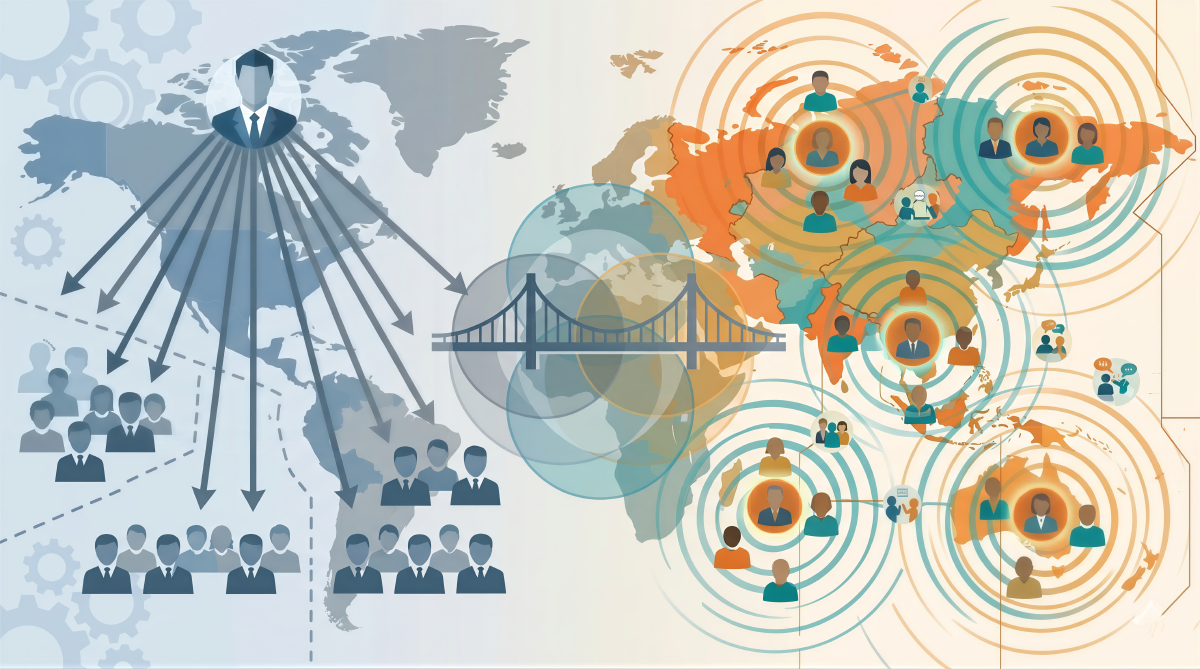
Social Architects facilitate this translocal expansion by acting as bridges across the structural holes within the global matrix. By fostering a climate of active participation and profound psychological safety, they encourage employees to experiment, collaborate, and iterate without fear of punitive action. As positive behaviors, such as proactive problem-solving, cross-cultural empathy, and high-performance collaboration, are demonstrated, they become highly visible across the network.
Visibility is the foundational fuel of the ripple effect. Just as the installation of highly visible solar panels reliably stimulates neighboring installations through observable descriptive norms, visible excellence within a corporate network triggers observational learning and prestige effects. An employee who consistently demonstrates exceptional customer service, multilingual support, or innovative thinking not only improves direct business outcomes but fundamentally alters the descriptive norm of their immediate environment. Colleagues automatically calibrate their own behavior to match this new baseline, setting off a chain reaction that transforms the entire normative landscape.
Translocal Dynamics and Cultural Translation#
To achieve true resonance across borders, organizational behaviors must navigate translocal dynamics effectively. A behavior or narrative that originates in one corporate hub (e.g., a headquarters in London) will only spread to a subsidiary in another region (e.g., Tokyo or São Paulo) if it can be modified and recontextualized. Social Architects ensure that the core ideological storytelling or operational DNA is retained while adapting the delivery through locally specific language, cultural cues, and communication regimes.
Empirical data spanning multiple disciplines confirms the profound efficacy of orchestrating this ripple effect over relying on traditional mandates:
- Pro-Environmental Behavior: In initiatives aimed at driving green consumption or sustainable organizational practices, meta-analyses across dozens of countries reveal that interventions exposing individuals to high descriptive norms (revealing that a majority of peers are already acting sustainably) consistently and significantly outperform those relying solely on formal policy, abstract incentives, or individual attitudes.
- Proactive Team Effectiveness: Experimental studies utilizing priming techniques demonstrate that when team members are exposed to observable proactive behaviors from their peers (behavioral contagion), it significantly enhances collective efficacy, team affective tone, and overall task performance, proving that proactivity can be treated as an emergent, communicable phenomenon.
- Digital and Cultural Preservation: Global movements and decentralized diaspora networks successfully utilize digital platforms to construct sites of cultural preservation and networked solidarity. By leveraging digital visibility, algorithmic boosting, and symbolic resonance across borders, these movements bypass traditional territorial or hierarchical limitations to establish unified, transnational behavioral norms.
When excellence becomes the established descriptive norm, it becomes cognitively cheap and socially automatic. Employees no longer need to exert exhaustive willpower to act innovatively or collaboratively; they align with the prevailing behavioral gravity of the organization, resulting in a self-sustaining ecosystem of high performance.
Conclusion#
The harmonization of diverse, global teams cannot be achieved through the blunt force of hierarchical mandates, nor can it rely on the outdated metaphor of the organization as a mechanical entity. The profound complexity of the modern transnational organization requires an operating system built upon the empirical realities of human sociology and behavioral psychology: individuals navigate their complex environments using the social radar of injunctive norms and the social autopilot of descriptive norms. By recognizing that corporate culture is not dictated by executive policy, but rather emerges dynamically from the daily, localized behaviors and emotional contagion of peers, organizations can fundamentally restructure their approach to global change management.
Through the rigorous application of the Global Council for Behavioral Science (GCBS) framework, organizational leadership can mathematically and qualitatively map the intricate intersections of global strategy and localized cultural reality. This profound analytical depth allows for the precise identification of Social Architects, the horizontally influential individuals who possess the mastery, social intelligence, and peer trust required to redefine organizational meaning from the ground up. By empowering these architects to model desired behaviors, design collaborative affordances, and act as normative buffers, organizations actively leverage the natural, epidemiological mechanics of behavioral contagion.
Ultimately, this decentralized strategy catalyzes a powerful, transnational ripple effect. As positive behaviors, emotional regulation, and proactive collaboration are made highly visible, they seamlessly propagate across network ties, crossing geographical and cultural borders through translocal adaptation. Excellence transforms from an abstract corporate mandate into a tangible, self-sustaining descriptive norm. In an era where organizational agility, cross-cultural empathy, and global integration are paramount, mastering the art of social proof and behavioral contagion is no longer merely an HR initiative; it is the definitive, operational strategic advantage for achieving enduring resonance across borders.
References#
- Barsade, S., & O’Neill, O. A. (2016). Manage your emotional culture. Harvard Business Review, 94(1), 58–66.
- Bicchieri, C. (2017). Norms in the wild: How to diagnose, measure, and change social norms. Oxford University Press. https://doi.org/10.1093/acprof:oso/9780190622046.001.0001
- Bisel, R. S. (2017a). How cultur(ing) works. In Organizational moral learning: A communication approach (pp. 65–81). Routledge. https://doi.org/10.4324/9781315652252-5
- Bisel, R. S. (2017b). Organizational moral learning: A communication approach. Routledge. https://doi.org/10.4324/9781315652252
- Brass, D. J. (2022). New developments in social network analysis. Annual Review of Organizational Psychology and Organizational Behavior, 9(1), 225–246. https://doi.org/10.1146/annurev-orgpsych-012420-090628
- Bryk, A. S., & Raudenbush, S. W. (1992). Hierarchical linear models: Applications and data analysis methods. Sage Publications.
- Burt, R. S. (2017). Structural holes versus network closure as social capital. In N. Lin, K. S. Cook, & R. S. Burt (Eds.), Social capital: Theory and research (pp. 31–56). Routledge. https://doi.org/10.4324/9781315129457-2
- Chen, O., Allen, R., Waterman, A., & Sweller, J. (2026). The relationship between cognitive offloading and the transient information effect. Educational Psychology Review, 38(1), Article 35. https://doi.org/10.1007/s10648-026-10132-9
- Chua, R. Y. J. (2018). Innovating at cultural crossroads: How multicultural social networks promote idea flow and creativity. Journal of Management, 44(3), 1119–1146. https://doi.org/10.1177/0149206315601183
- Cialdini, R. B. (2016). Pre-suasion: A revolutionary way to influence and persuade. Simon & Schuster.
- Ciancio, G. (2024). Cultural policy and emotional clusters in the context of an organic crisis. performing arts and emotions between top-down and bottom-up negotiations. European Journal of Cultural Management and Policy, 14, Article 13013. https://doi.org/10.3389/ejcmp.2024.13013
- Di Santo, D., Gelfand, M. J., Baldner, C., & Pierro, A. (2022). The moral foundations of desired cultural tightness. Frontiers in Psychology, 13, Article 739579. https://doi.org/10.3389/fpsyg.2022.739579
- Erfan, M. (2024). The impact of cross-cultural management on global collaboration and performance. Advances in Human Resource Management Research, 2(2), 102–112. https://doi.org/10.60079/ahrmr.v2i2.261
- Foulk, T., Woolum, A., & Erez, A. (2016). Catching rudeness is like catching a cold: The contagion effects of low-intensity negative behaviors. Journal of Applied Psychology, 101(1), 50–67. https://doi.org/10.1037/apl0000037
- Gelfand, M. J., Caluori, N., Jackson, J. C., & Taylor, M. K. (2020). The cultural evolutionary trade-off of ritualistic synchrony. Philosophical Transactions of the Royal Society B: Biological Sciences, 375(1805), Article 20190432. https://doi.org/10.1098/rstb.2019.0432
- Gelfand, M. J., & Lorente, R. (2021). Threat, tightness, and the evolutionary appeal of populist leaders. In J. P. Forgas, W. D. Crano, & K. Fiedler (Eds.), The psychology of populism: The tribal challenge to liberal democracy (pp. 276–294). Routledge. https://doi.org/10.4324/9781003057680-18
- Grinschgl, S., Papenmeier, F., & Meyerhoff, H. S. (2021). Consequences of cognitive offloading: Boosting performance but diminishing memory. Quarterly Journal of Experimental Psychology, 74(9), 1477–1496. https://doi.org/10.1177/17470218211008060
- Hogg, M. A., & Adelman, J. (2013). Uncertainty–Identity theory: Extreme groups, radical behavior, and authoritarian leadership. Journal of Social Issues, 69(3), 436–454. https://doi.org/10.1111/josi.12023
- Jackson, J. C., Gelfand, M., & Ember, C. R. (2020). A global analysis of cultural tightness in non-industrial societies. Proceedings of the Royal Society B: Biological Sciences, 287(1930), Article 20201036. https://doi.org/10.1098/rspb.2020.1036
- Jacobson, R. P. (2024). The effects of descriptive and injunctive social norms on workplace incivility. Journal of Applied Social Psychology, 54(1), 30–49. https://doi.org/10.1111/jasp.13014
- Karimy, M., Zareban, I., Araban, M., & Montazeri, A. (2015). An extended theory of planned behavior (TPB) used to predict smoking behavior among a sample of Iranian medical students. International Journal of High Risk Behaviors and Addiction, 4(3), Article e19688. https://doi.org/10.5812/ijhrba.24715
- Lisak, A., Erez, M., Sui, Y., & Lee, C. (2016). The positive role of global leaders in enhancing multicultural team innovation. Journal of International Business Studies, 47(6), 655–673. https://doi.org/10.1057/s41267-016-0002-7
- Miller, D. T., & Prentice, D. A. (2016). Changing norms to change behavior. Annual Review of Psychology, 67(1), 339–361. https://doi.org/10.1146/annurev-psych-010814-015013
- Minkov, M., & Hofstede, G. (2014). A replication of Hofstede’s uncertainty avoidance dimension across nationally representative samples from Europe. International Journal of Cross Cultural Management, 14(2), 161–171. https://doi.org/10.1177/1470595814521600
- Muthukrishna, M., & Schaller, M. (2020). Are collectivistic cultures more prone to rapid transformation? Computational models of cross-cultural differences, social network structure, dynamic social influence, and cultural change. Personality and Social Psychology Review, 24(2), 103–120. https://doi.org/10.1177/1088868319855783
- Nguyen, P., & Yang, Z. (2026). When strong social norms divide: The paradoxical role of cultural tightness–looseness in the polarity of online discourse. Journal of Cross-Cultural Psychology. Advance online publication. https://doi.org/10.1177/00220221261448127
- Oyserman, D. (2017). Culture three ways: Culture and subcultures within countries. Annual Review of Psychology, 68(1), 435–463. https://doi.org/10.1146/annurev-psych-122414-033617
- Pan, J., & Liu, P. (2024). Exploring waste separation using an extended theory of planned behavior: A comparison between adults and children. Frontiers in Psychology, 15, Article 1337969. https://doi.org/10.3389/fpsyg.2024.1337969
- Roca, J., & Wilde, S. (2019). The connector manager: Why some leaders build exceptional talent—and others don’t. Portfolio.
- Schwartz, S. H. (2015). Basic individual values: Sources and consequences. In T. Brosch & D. Sander (Eds.), Handbook of value: Perspectives from economics, neuroscience, philosophy, psychology and sociology (pp. 63–84). Oxford University Press. https://doi.org/10.1093/acprof:oso/9780198716600.003.0004
- Stahl, G. K., & Maznevski, M. L. (2021). Unraveling the effects of cultural diversity in teams: A retrospective of research on multicultural work groups and an agenda for future research. Journal of International Business Studies, 52(1), 4–22. https://doi.org/10.1057/s41267-020-00389-9
- Steinert, Y., Fontes, K., Mortaz-Hejri, S., Quaiattini, A., & Yousefi Nooraie, R. (2024). Social network analysis in undergraduate and postgraduate medical education: A scoping review. Academic Medicine, 99(4), 452–465. https://doi.org/10.1097/acm.0000000000005620
- Tankard, M. E., & Paluck, E. L. (2016). Norm perception as a vehicle for social change. Social Issues and Policy Review, 10(1), 181–211. https://doi.org/10.1111/sipr.12022
- van Kleef, G. A. (2016). The interpersonal dynamics of emotion: Toward an integrative theory of emotions as social information. Cambridge University Press. https://doi.org/10.1017/cbo9781107261396
- Venaik, S., Zhu, Y., & Brewer, P. (2013). Looking into the future: Hofstede long term orientation versus GLOBE future orientation. Cross Cultural Management: An International Journal, 20(3), 361–385. https://doi.org/10.1108/ccm-02-2012-0014
- Venema, T., & van Gestel, L. (2021). Nudging in the workplace. In R. Appel-Meulenbroek & V. Danivska (Eds.), A handbook of theories on designing alignment between people and the office environment (pp. 222–235). Routledge. https://doi.org/10.1201/9781003128830-19
- Weis, P. P., Brennenstuhl, J., & Abubshait, A. (2025). Social offloading: A collaborative mindset can reduce interference from visual distractors. Proceedings of the Human Factors and Ergonomics Society Annual Meeting, 69(1), 2172–2175. https://doi.org/10.1177/10711813251357907
- Williams, M., Burry, J., & Rao, A. (2014). Applying social network analysis to design process research, a case study. In Proceedings of the 19th Conference on Computer-Aided Architectural Design Research in Asia (CAADRIA) (pp. 481–490). CAADRIA. https://doi.org/10.52842/conf.caadria.2014.481
- Yi, J.-S. (2021). Revisiting Hofstede’s uncertainty-avoidance dimension: A cross-cultural comparison of organizational employees in four countries. Journal of Intercultural Communication, 21(1), 46–61. https://doi.org/10.36923/jicc.v21i1.5