
Introduction#
Educators and counselors shoulder profound responsibilities in fostering developmental growth and safeguarding the psychological well-being of students and clients, often while navigating complex interpersonal and systemic challenges. Empirical studies underscore the disproportionately high prevalence of occupational stress and burnout within these professions. For example, research indicates that approximately 75% of educators report clinically significant stress levels (Kyriacou, 2001), while counselors exhibit heightened susceptibility to secondary traumatic stress due to recurrent exposure to clients’ distressing narratives (Figley, 1995). These findings highlight a critical paradox: professionals dedicated to supporting others face systemic risks to their own mental and physical health. Neglecting self-care can precipitate adverse outcomes, including diminished professional efficacy, emotional exhaustion, and attrition, thereby compromising both individual well-being and the quality of care provided to persons in need. Consequently, self-care transcends anecdotal recommendations; it represents an ethical and operational imperative for sustaining these roles. This article examines the empirically supported significance of self-care practices for educators and counselors, analyzing their multidimensional impact on professional resilience, client outcomes, and institutional health. Furthermore, it proposes actionable, evidence-based strategies to integrate self-care into daily practice and cultivate systemic organizational support, thereby bridging the gap between individual responsibility and structural accountability in promoting occupational sustainability.
Defining Self-Care in the Context of Helping Professions
Within the demanding realms of education and counseling, self-care transcends simple indulgence. It is a proactive and intentional engagement in activities that promote physical, emotional, social, cognitive, spiritual, and professional well-being (Figley, 2002). For educators and counselors, self-care involves consciously tending to their own needs to buffer against the inherent stressors of their work.
- Physical Self-Care: This encompasses activities that nourish the body, such as regular exercise, balanced nutrition, adequate sleep, and the incorporation of mindfulness techniques to manage physical tension.
- Emotional Self-Care: This involves recognizing, processing, and expressing emotions in healthy ways. It includes setting healthy boundaries, seeking emotional support from trusted sources, and engaging in activities that bring joy and relaxation.
- Social Self-Care: Maintaining meaningful connections with friends, family, and colleagues is crucial. Engaging in enjoyable social activities and fostering supportive relationships can provide a vital buffer against professional isolation.
- Cognitive Self-Care: This focuses on nurturing the mind through activities that stimulate intellectual curiosity and provide a break from work-related demands. Examples include reading for pleasure, pursuing hobbies, and practicing positive self-talk to challenge negative thought patterns.
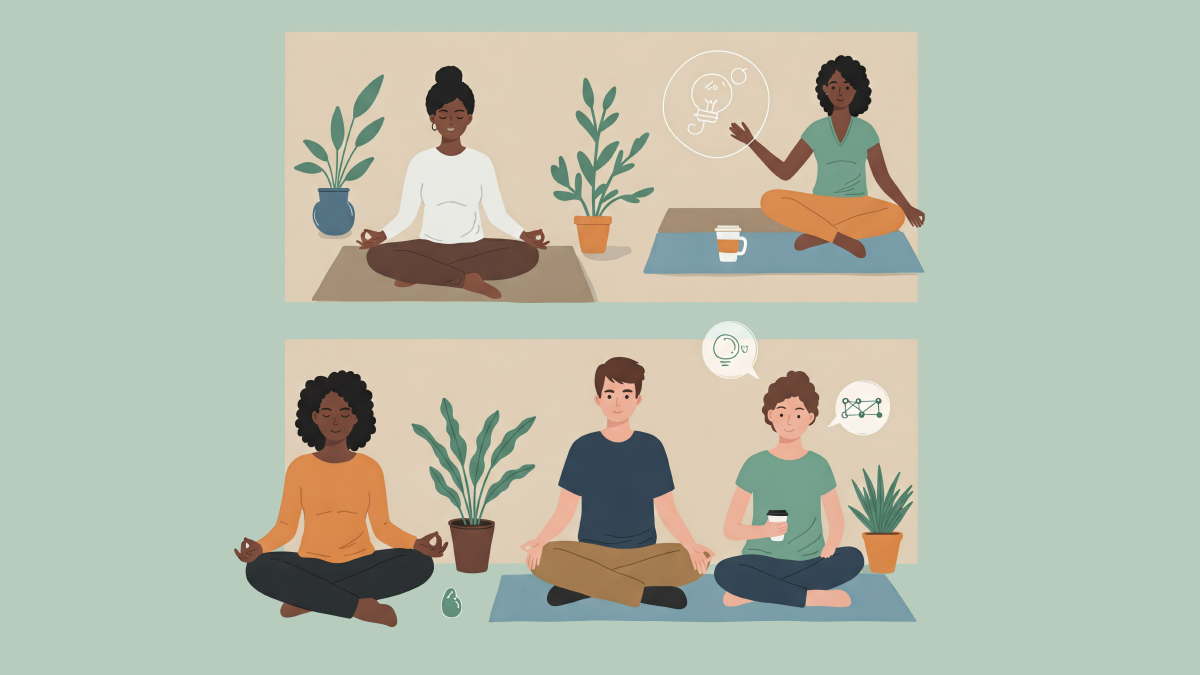
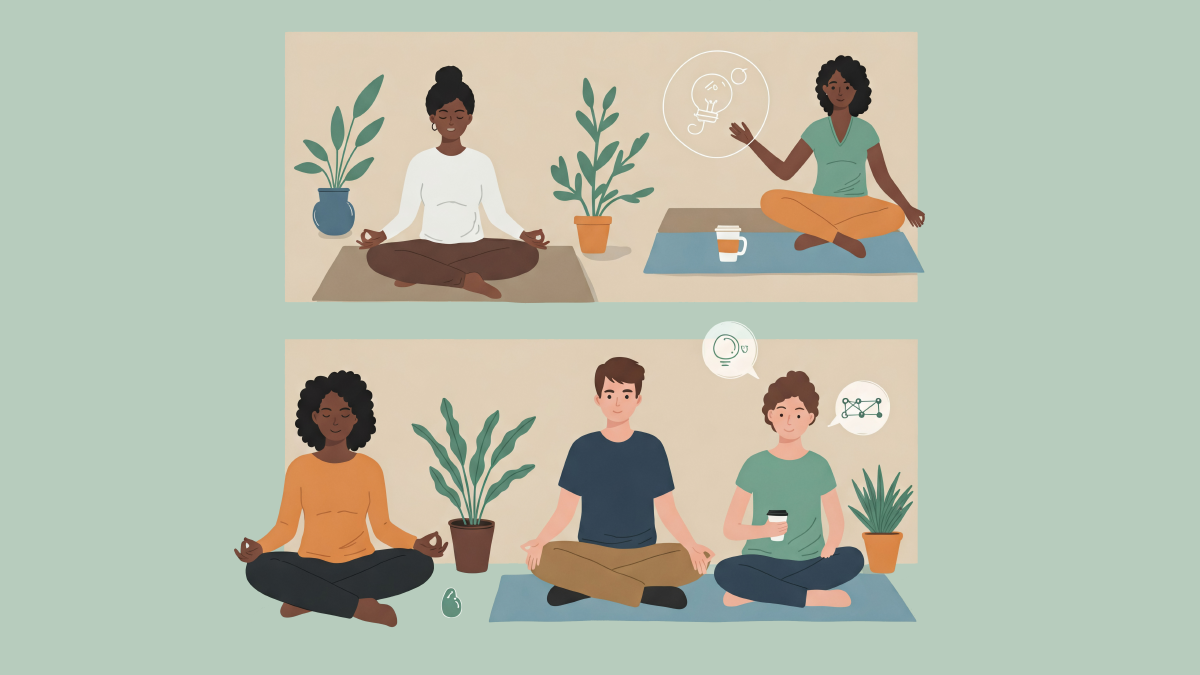
- Spiritual Self-Care: Connecting with personal values, beliefs, and sources of meaning and purpose can provide a sense of grounding and resilience. This might involve meditation, spending time in nature, or engaging in activities aligned with one’s values.
- Professional Self-Care: This dimension specifically addresses the demands of the profession. It includes seeking regular supervision, engaging in ongoing professional development, setting realistic expectations for oneself, and maintaining a healthy work-life balance.
The Detrimental Effects of Neglecting Self-Care
The failure to prioritize self-care can have profound and far-reaching negative consequences for educators and counselors.
- Burnout Syndrome: Characterized by emotional exhaustion (feeling depleted and overwhelmed), depersonalization (developing cynical or detached attitudes towards students/clients), and reduced personal accomplishment (feeling ineffective and lacking a sense of achievement) (Maslach & Leiter, 2016), burnout is a significant risk in these professions. Chronic exposure to stress without adequate coping mechanisms erodes emotional resources, leading to this debilitating syndrome.
- Compassion Fatigue: Unlike burnout, which develops gradually, compassion fatigue can have a more rapid onset and stems from the cumulative impact of exposure to others’ suffering (Figley, 1995). Symptoms include withdrawal, cynicism, emotional numbness, intrusive thoughts, and difficulty separating personal feelings from the experiences of those they help. The vicarious trauma experienced by counselors and even educators dealing with students facing significant challenges contributes to this phenomenon.
- Impact on Mental and Physical Health: Research consistently links the neglect of self-care to a higher incidence of mental health challenges such as anxiety and depression. Furthermore, chronic stress can manifest physically in various ways, including headaches, gastrointestinal issues, weakened immune systems, and increased risk of cardiovascular problems (McEwen, 1998).
- Consequences for Professional Efficacy: When educators and counselors are depleted, their ability to perform their duties effectively diminishes. This can manifest as decreased job satisfaction, reduced motivation, impaired decision-making abilities, diminished empathy, and difficulty maintaining appropriate boundaries with students or clients. The quality of their interactions and interventions inevitably suffers.
- Ripple Effects on Students/Clients: The well-being of educators and counselors directly impacts the learning environment and therapeutic relationships. Professionals struggling with burnout or compassion fatigue may exhibit irritability, detachment, or decreased engagement, creating a less supportive and effective atmosphere for students and clients. This can hinder academic progress, therapeutic outcomes, and overall well-being for those being served.
The Evidence-Based Benefits of Prioritizing Self-Care#
Conversely, a robust commitment to self-care yields significant positive outcomes for educators and counselors.
- Enhanced Well-being and Resilience: Studies have demonstrated that consistent self-care practices, such as mindfulness and exercise, are associated with reduced levels of stress, anxiety, and depressive symptoms (Grossman et al., 2004; Sharma et al., 2006). Furthermore, engaging in self-care activities fosters greater emotional regulation and enhances psychological resilience, enabling professionals to better navigate the inherent challenges of their roles (Folkman, 2011).
- Reduced Burnout and Compassion Fatigue: Interventions focused on promoting self-care, including stress management techniques and peer support, have been shown to significantly lower rates of burnout and mitigate the symptoms of compassion fatigue among helping professionals (Bride et al., 2007). Prioritizing personal needs helps replenish emotional resources and maintain a healthier perspective.
- Improved Professional Efficacy and Job Satisfaction: Research indicates a positive correlation between self-care practices and increased job satisfaction, motivation, and overall engagement in work. When educators and counselors feel supported and cared for, they are more likely to experience a greater sense of personal accomplishment and find more meaning in their work.
- Stronger Therapeutic/Educational Relationships: Well-cared-for professionals are better equipped to be fully present, empathetic, and attuned to the needs of their students and clients. Their enhanced emotional regulation and reduced reactivity foster stronger, more trusting, and ultimately more effective relationships.
- Positive Impact on Organizational Climate: When educational institutions and counseling agencies actively promote and support the self-care of their staff, it contributes to a more positive, supportive, and resilient organizational culture. This can lead to reduced staff turnover, increased morale, and a greater overall sense of community.
Practical Strategies and Evidence-Based Interventions for Self-Care#
Implementing self-care requires a multi-faceted approach, encompassing both individual efforts and organizational support.
- Individual-Level Strategies: Educators and counselors can integrate various evidence-based self-care strategies into their daily lives. These include:
- Mindfulness-Based Stress Reduction (MBSR): Proven to reduce stress and improve emotional regulation (Kabat-Zinn, 1990).
- Regular Physical Activity: Exercise has significant benefits for both physical and mental health, reducing stress and improving mood (Sharma et al., 2006).
- Prioritizing Sleep: Adequate and restful sleep is crucial for cognitive function and emotional well-being (Walker, 2017).
- Time Management Techniques: Strategies such as setting realistic goals, prioritizing tasks, and scheduling breaks can help manage workload and reduce feelings of overwhelm.
- Boundary Setting: Learning to say “no” and establishing clear boundaries between work and personal life is essential for preventing burnout.
- Seeking Social Support: Cultivating and maintaining supportive relationships with friends, family, and colleagues provides a vital emotional outlet.
- Engaging in Hobbies and Leisure Activities: Pursuing enjoyable activities outside of work helps to reduce stress and promote relaxation.
- Organizational-Level Strategies: Educational institutions and counseling agencies play a crucial role in fostering a culture of self-care. This can include:
- Providing Professional Development on Self-Care: Educating staff on the importance of self-care and providing practical strategies.
- Reviewing and Adjusting Workload: Addressing excessive workloads and exploring ways to distribute responsibilities more equitably.
- Promoting Peer Support Programs: Creating opportunities for staff to connect, share experiences, and offer mutual support.
- Offering Access to Mental Health Resources: Providing confidential access to counseling services or employee assistance programs.
- Creating Dedicated Wellness Spaces: Designating areas within the workplace where staff can relax and recharge.
- Leadership Modeling: When leaders prioritize their well-being, it sends a powerful message to staff about the importance of self-care.
- The Role of Supervision and Peer Support: Regular supervision provides a safe space for reflection, processing challenging cases, and receiving guidance, which can significantly reduce feelings of isolation and stress. Peer support groups offer a valuable avenue for sharing experiences, normalizing challenges, and fostering a sense of community among colleagues facing similar demands.
Challenges and Barriers to Self-Care#
Despite the recognized importance of self-care, educators and counselors often face significant challenges in prioritizing it.
- Time Constraints and Workload: The demanding nature of these professions often leaves little perceived time for self-care activities. Heavy workloads, administrative tasks, and after-hours responsibilities can create a sense of constant pressure.
- Guilt and Self-Sacrifice: Many helping professionals are driven by a strong sense of altruism and may feel guilty for prioritizing their own needs over those of their students or clients. The belief that self-care is selfish can be a significant barrier.
- Lack of Institutional Support: In some settings, there may be a lack of organizational support or even an implicit expectation to prioritize work above all else. This can create an environment where self-care is not valued or actively discouraged.
- Internalized Beliefs and Expectations: Some individuals may hold internalized beliefs about strength and resilience that discourage them from seeking support or engaging in self-care practices, viewing it as a sign of weakness.
Conclusion and Future Directions#
The evidence overwhelmingly underscores that self-care is not a peripheral concern but rather a fundamental pillar supporting the well-being and effectiveness of educators and counselors. Neglecting self-care carries significant risks for both the individual and those they serve, leading to burnout, compassion fatigue, and diminished professional efficacy. Conversely, prioritizing self-care yields substantial benefits, enhancing resilience, improving job satisfaction, and fostering stronger, more supportive relationships.
Moving forward, it is imperative that individual educators and counselors actively commit to integrating evidence-based self-care strategies into their lives. Simultaneously, educational institutions and counseling agencies must recognize their responsibility in fostering a culture that prioritizes well-being and provides the necessary resources and support for their staff. Future research should continue to explore the long-term impact of various self-care interventions, investigate culturally sensitive approaches to self-care, and further quantify the economic benefits of investing in the well-being of these vital professionals. Ultimately, recognizing and acting upon the essential foundation of self-care is not merely a matter of individual well-being but a crucial investment in the sustainability and effectiveness of the education and counseling professions, and in the well-being of the individuals they so diligently serve.
References#
- Abou Assali, M., & Al Abdouli, K. (2024). Unleashing the power of teacher’s wellbeing and selfcare. Research Journal in Advanced Humanities, 5(1). https://doi.org/10.58256/3nrd9d62
- Bride, W. E., Radey, M., & Figley, C. R. (2007). Measuring compassion fatigue. Clinical Social Work Journal, 35(3), 155–163. https://doi.org/10.1007/s10615-007-0091-7
- Christopher, J. C., & Maris, J. A. (2010). Integrating mindfulness as self‐care into counselling and psychotherapy training. Counselling and Psychotherapy Research, 10(2), 114–125. https://doi.org/10.1080/14733141003750285
- Espinoza-Díaz, I. M., Tous-Pallarés, J., Lucas-Mangas, S., Valdivieso-León, L., & Vigil-Colet, A. (2023). Psychological well-being of teachers: Influence of burnout, personality, and psychosocial climate. Frontiers in Psychology, 14, Article 1211280. https://doi.org/10.3389/fpsyg.2023.1211280
- Figley, C. R. (1995). Compassion fatigue: Coping with secondary traumatic stress disorder in those who treat the traumatized. Brunner/Mazel.
- Figley, C. R. (2002). Compassion fatigue: Psychotherapists’ chronic lack of self care. Journal of Clinical Psychology, 58(11), 1433–1441. https://doi.org/10.1002/jclp.10090
- Folkman, S. (2011). Stress, health, and coping: An overview. In S. Folkman (Ed.), The Oxford handbook of stress, health, and coping (pp. 3–11). Oxford University Press. https://doi.org/10.1093/oxfordhb/9780195375343.013.0001
- Grossman, P., Niemann, L., Schmidt, S., & Walach, H. (2004). Mindfulness-based stress reduction and health benefits. Journal of Psychosomatic Research, 57(1), 35–43. https://doi.org/10.1016/s0022-3999(03)00573-7
- Kabat-Zinn, J. (1990). Full catastrophe living: Using the wisdom of your body and mind to face stress, pain, and illness. Delta.
- Kyriacou, C. (2001). Teacher stress: Directions for future research. Educational Review, 53(1), 27–35. https://doi.org/10.1080/00131910120033628
- Maslach, C., & Leiter, M. P. (2016). Understanding the burnout experience: Recent research and its implications for psychiatry. World Psychiatry, 15(2), 103–111. https://doi.org/10.1002/wps.20311
- McEwen, B. S. (1998). Protective and damaging effects of stress mediators. New England Journal of Medicine, 338(3), 171–179. https://doi.org/10.1056/nejm199801153380307
- Rupert, P. A., & Pakenham, K. I. (2022). Self-care and burnout: A proactive values-based perspective. In G. J. G. Asmundson (Ed.), Comprehensive clinical psychology (2nd ed., pp. 138–148). Elsevier. https://doi.org/10.1016/b978-0-12-818697-8.00102-3
- Sharma, A., Madaan, V., & Petty, F. D. (2006). Exercise for mental health. Primary Care Companion to the Journal of Clinical Psychiatry, 8(2), 106. https://doi.org/10.4088/pcc.v08n0208a
- Walker, M. (2017). Why we sleep: Unlocking the power of sleep and dreams. Scribner.