

Introduction to Gamification as a Behavioral Science Tool#
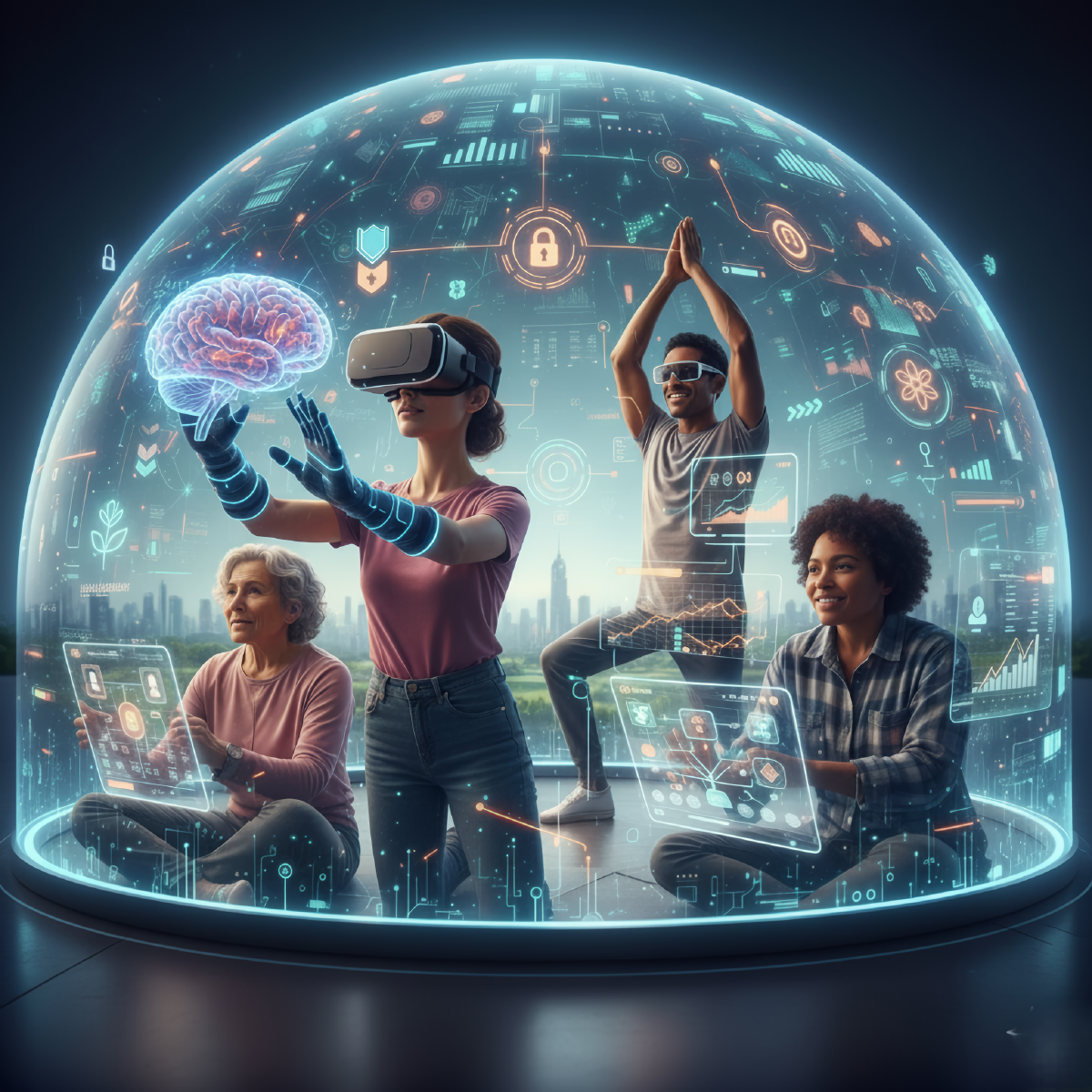
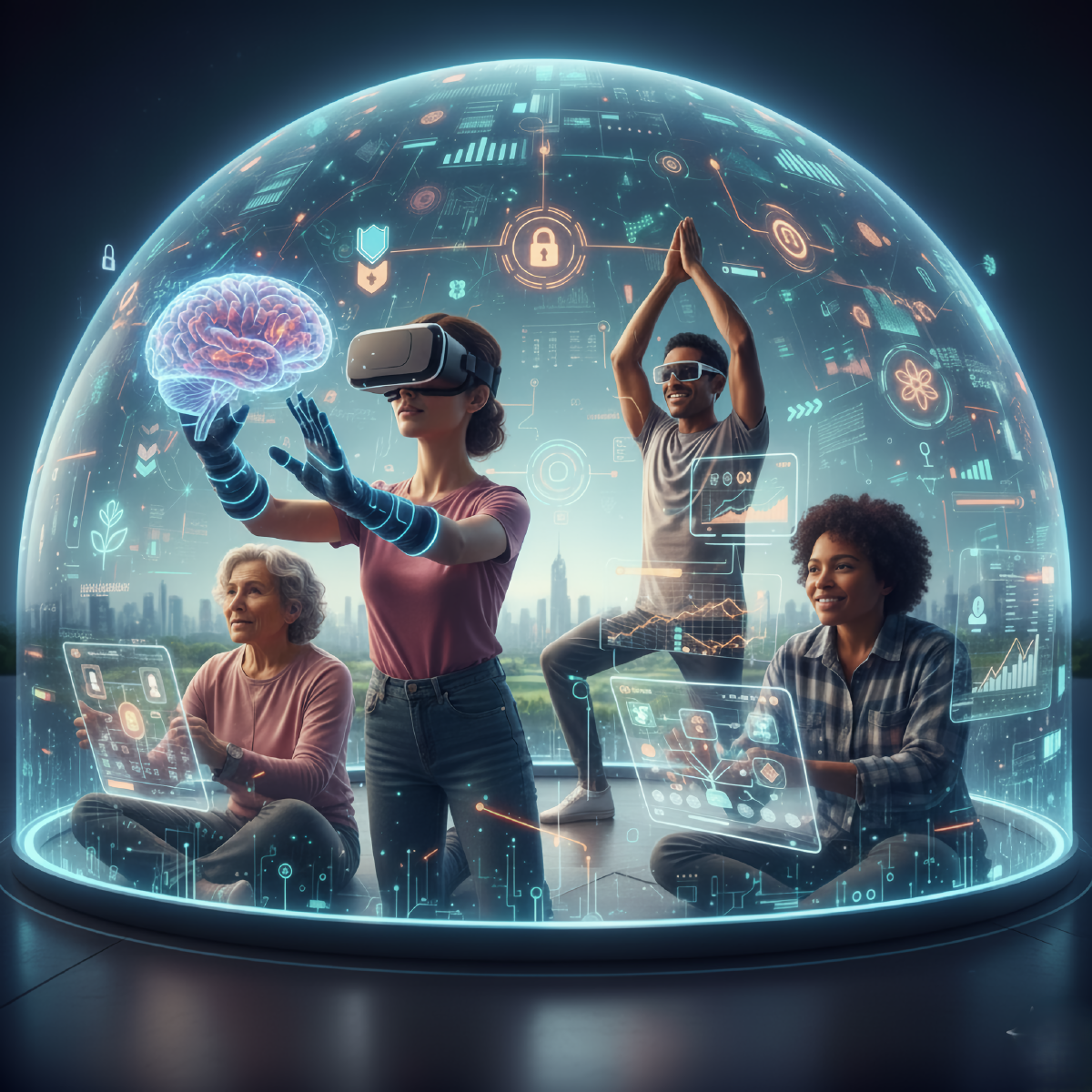
In the expanding landscape of Behavioral science and digital interaction, gamification has emerged as a significant, increasingly sophisticated strategy for influencing human Behavior. It is not merely a fleeting trend, but a deliberate application of principles derived from game design to contexts beyond entertainment. This article offers a comprehensive, multi-layered examination of gamification as a tool for promoting Behavioral change. It commences by establishing a precise definition and clarifying foundational concepts, before delving into the core psychological theories that explain its efficacy. Subsequently, the report deconstructs the architectural components and design frameworks used to build gamified systems. This theoretical grounding is then critically assessed against the empirical evidence for its effectiveness, supported by detailed case studies from diverse domains. Finally, the analysis addresses the practical challenges of implementation, including common design pitfalls and profound ethical considerations, before concluding with an exploration of future trends, such as artificial intelligence and immersive realities, that are poised to shape the next generation of gamified interventions.
Defining Gamification: Beyond Points and Badges#
At its core, gamification is the integration and application of game design elements and principles in non-game contexts. It is a strategy for human-focused design that prioritizes and optimizes for human motivation and engagement rather than focusing solely on a system’s efficiency and functionality. The term itself, reportedly coined by programmer and designer Nick Pelling in 2002, has gained prominence in the 21st century. However, the underlying practice of using game-like incentives has a much longer history in areas like loyalty programs and employee motivation schemes.
The primary objective of gamification is to leverage the powerful psychological motivators that make games compelling, such as the desire for mastery, competition, and achievement, to enhance engagement, motivation, and participation in tasks that might otherwise be considered mundane, complex, or uninteresting. By framing activities as challenges, quests, or missions, gamification can foster not only participation but also higher-order cognitive skills, such as critical thinking, problem-solving, and metacognition, encouraging users to strategize and take ownership of their journey. The modern proliferation of gamification is inextricably linked to the “datafication” of everyday life. The mechanics central to gamification, such as points, progress bars, and immediate feedback, rely on the ability to track, measure, and respond to user actions in real-time. While this was once a manual and cumbersome process for non-digital activities, the ubiquity of smartphones, wearable sensors, smart home devices, and online platforms has created a seamless and pervasive infrastructure for automated Behavioral data collection. This technological foundation has enabled the meaningful application of game mechanics at scale, transforming gamification from a niche concept into a viable and widespread strategy for influencing everyday Behavior.
The Rise of Human-Focused Design in a Non-Game World#
The ascent of gamification signals a significant paradigm shift in design philosophy, moving from a “function-focused” approach that optimizes for efficiency to a “human-focused” approach that optimizes for motivation. This shift acknowledges a fundamental reality of the modern world: that large segments of the population, particularly younger generations, have grown up immersed in digital games. This cultural saturation has shaped their identities and expectations, making game-like structures and feedback systems both familiar and inherently appealing.
Consequently, this strategy is being applied across a vast and growing array of domains. In education, it aims to make learning more engaging; in corporate training, it seeks to improve knowledge retention and performance. In healthcare, it is used to promote medication adherence and healthy lifestyles. In marketing, it fosters brand loyalty, and in the realm of social good, it nudges pro-environmental Behaviors, such as energy conservation. In each context, the goal is consistent: to transform tasks that people need to do into experiences they want to do, thereby turning traditionally complex or tedious processes into more engaging, game-like journeys.
Conceptual Foundations: Distinguishing Gamification from Its Counterparts#
In the discourse surrounding the use of game-like approaches for Behavioral change, several terms are often used interchangeably, leading to significant conceptual confusion. A precise understanding of the distinctions between gamification, serious games, and game-based learning is not merely an academic exercise; it is a prerequisite for the effective design, implementation, and evaluation of any such initiative. The choice of approach dictates the entire design philosophy, resource allocation, and expected outcomes, and a misunderstanding at this foundational level is a primary cause of failed interventions. For instance, a project manager who budgets for adding simple badges to an existing system (gamification) when the Behavioral goal truly requires the development of a complex, immersive simulation (a serious game) is destined for failure due to a fundamental mismatch of strategy and resources.
Gamification: Applying Game Elements to Non-Game Contexts#
Gamification is most accurately defined as the process of layering game-like features and mechanics onto existing, non-game activities or processes. In this approach, the core instructional, operational, or Behavioral content remains essentially unchanged. Instead, elements such as points, badges, leaderboards, progress bars, and achievements are added as an overlay to the existing structure.
The primary focus of gamification is on the use of what can be termed “encouragement mechanics”. These mechanics are designed to motivate specific, often discrete, Behaviors, increase user engagement with a task, and make individual progress more visible and tangible. The methodology of gamification enhances an existing experience without fundamentally altering the “how” or “why” of the core task. A quintessential example is the language-learning app Duolingo, which utilizes a system of points, daily streaks, and levels for traditional language exercises, such as vocabulary drills and sentence translation. The user is still performing the basic learning activity, but the gamified layer provides a motivational framework that encourages consistency and persistence.
Serious Games: Games with a Purpose Beyond Entertainment#
In contrast to gamification, serious games are complete, self-contained games designed with a primary purpose other than pure entertainment. This purpose can be educational, therapeutic, for training, or for scientific research. In a serious game, the learning or Behavioral objectives are not layered on top of an activity; they are integrated directly and intrinsically into the gameplay itself. Playing the game is a form of learning or training.
Serious games fundamentally disrupt traditional experiences by changing both the “how” and the “why” of a task. They often place the user within a simulated environment where they must engage with the game’s systems to succeed. This approach typically provides a shared goal for all players in that simulated reality. For example, Minecraft Education Edition is a serious game that provides immersive, collaborative virtual worlds where students learn concepts in science, technology, engineering, and mathematics (STEM) by building, exploring, and solving problems within the game engine. It does not add game elements to a traditional science class; it replaces the traditional class with a game.
Game-Based Learning (GBL): Learning Through Intrinsic Gameplay#
Game-based learning (GBL) is a broader pedagogical approach that encompasses the use of games for learning. It involves designing learning activities that are intrinsically game-like from the ground up. This can take two primary forms. The first is using commercially available entertainment games for educational purposes, a practice sometimes referred to as “game-enhanced learning”. For example, an instructor might use a popular game like Fallout 3 to facilitate a discussion of moral philosophy and ethical decision-making in a post-apocalyptic setting.
The second form involves using games that are specifically designed for educational purposes. In either case, the focus of GBL is on the “cognitive residue” of the game, the knowledge, skills, and understanding that a player acquires as a byproduct of engaging with the game’s world and its complex systems. This learning is often implicit, emerging as the player grapples with challenges related to resource management, strategic thinking, problem-solving, and collaboration inherent to the gameplay.
A Comparative Framework for Clarity#
The fundamental distinction lies in the relationship between the game elements and the core activity. Gamification incorporates game elements into real-life situations, making them more engaging and playful. Serious games, conversely, embed a serious purpose into a virtual reality, making games more purposeful. Game-based learning uses the game itself as the primary vehicle for the learning experience. The following table summarizes these key distinctions to aid conceptual clarity.
Table 1: Differentiating Gamification, Serious Games, and Game-Based Learning
| Concept | Definition | Methodology | Primary Goal | Example |
|---|---|---|---|---|
| Gamification | The application of game elements and mechanics in non-game contexts. | Adds a “game layer” (e.g., points, badges, leaderboards) to an existing activity. The core task remains unchanged. | To increase motivation, engagement, and participation in a pre-existing task or Behavior. | Duolingo: Adds points, streaks, and levels to traditional language-learning exercises. |
| Serious Games | Full-fledged games are designed for a primary purpose other than pure entertainment, such as education or training. | Creates a complete, self-contained game where learning objectives are integrated directly into the gameplay. The game is the activity. | To teach a specific skill, convey complex information, or simulate a real-world scenario in a safe, interactive environment. | Minecraft Education Edition: Offers an immersive virtual world that enables students to learn STEM concepts through building and collaboration. |
| Game-Based Learning (GBL) | A pedagogical approach that uses games to achieve defined learning outcomes. | Designs learning activities that are intrinsically game-like or uses commercial games for educational purposes. | To leverage the inherent engagement of gameplay to facilitate learning and the development of skills like critical thinking and problem-solving. | Using Fallout 3 in a classroom: A commercial game used to explore and discuss complex themes of ethics and decision-making. |
The Psychological Engine: Theoretical Underpinnings of Gamified Behavioral Change#
To effectively design and implement gamified systems, it is essential to move beyond a superficial understanding of game mechanics and delve into the psychological principles that explain how and why they can influence human Behavior. Gamification is not magic; it is an application of Behavioral science. Its efficacy stems from its ability to tap into fundamental human motivations and cognitive processes. Two of the most influential theoretical frameworks for understanding this phenomenon are Self-Determination Theory (SDT) and the Fogg Behavior Model (B=MAP). These are not competing theories but are complementary frameworks that operate at different levels of analysis. The Fogg Behavior Model provides a tactical blueprint for triggering single, discrete Behavior in the moment. In contrast, Self-Determination Theory offers a strategic foundation for ensuring long-term, sustainable engagement by addressing core psychological needs. A successful, durable Behavioral change strategy must therefore employ the tactical principles of FBM in service of SDT’s strategic goals. The former gets a user to act today; the latter ensures the user wants to continue acting tomorrow.
Self-Determination Theory (SDT): Fulfilling the Needs for Autonomy, Competence, and Relatedness#
Self-Determination Theory, a macro-theory of human motivation developed by Edward Deci and Richard Ryan, is one of the most widely cited and robust theoretical foundations in the field of gamification research. SDT posits that for individuals to grow, thrive, and experience psychological well-being, three innate and universal psychological needs must be satisfied: Autonomy, Competence, and Relatedness.
- Autonomy refers to the feeling of volition, of being the author of one’s own actions. It is the need to feel that one’s Behaviors are self-chosen and self-endorsed rather than controlled or coerced by external forces.
- Competence is the need to feel effective and capable in one’s interactions with the environment. It involves seeking out optimal challenges, exercising one’s capacities, and experiencing a sense of mastery and growth.
- Relatedness is the need to feel connected to others, to care for and be cared for by others, and to feel a sense of belonging within a community or social group.
Effective gamification is successful precisely because its core mechanics can be designed to directly support these three needs.
- Supporting Autonomy: Gamified systems can foster a sense of autonomy by providing users with meaningful choices, such as multiple paths to achieve a goal, customizable avatars or profiles, and the ability to select which challenges to undertake.
- Supporting Competence: The need for competence is supported through the fundamental architecture of many games. Clear goals, immediate and continuous performance feedback, scaffolded challenges that increase in difficulty as skills develop, visible signs of progress such as progress bars, and the process of “levelling up” all contribute to a powerful sense of mastery and effectiveness.
- Supporting Relatedness: Social mechanics are a cornerstone of modern game design and can be leveraged to satisfy the need for relatedness. Leaderboards, team-based challenges, guilds, social sharing features, and opportunities for peer-to-peer collaboration or competition create a social fabric that connects users and fosters a sense of community.
Crucially, SDT emphasizes that these three needs are mutually supportive of one another. An intervention that strongly supports one need at the expense of another is likely to fail. For example, a hyper-competitive leaderboard might support competence among top performers but can severely undermine a sense of relatedness and community among the majority, leading to overall disengagement. Furthermore, it is not the feature’s objective design that matters, but its functional significance, the user’s subjective perception and experience of it. A feature intended to be autonomy-supportive might be perceived as controlling if implemented poorly, thereby thwarting the need it was meant to satisfy.
The Fogg Behavior Model (B=MAP): Engineering the Convergence of Motivation, Ability, and a Prompt#
Developed by BJ Fogg at Stanford University, the Fogg Behavior Model provides a simple yet powerful formula for understanding and influencing discrete Behaviors. The model states that for a target Behavior to occur, three elements must converge at the exact moment: Motivation, Ability, and Prompt. The equation is expressed as $B = MAP$. If a desired Behavior does not happen, at least one of these three elements is missing.
- Motivation: This is the user’s desire to perform the Behavior. Fogg identifies three core motivators, each with a positive and negative dimension: Sensation (pleasure vs. pain), Anticipation (hope vs. fear), and Belonging (social acceptance vs. rejection).
- Ability: This refers to how easy or difficult it is to perform the Behavior. Fogg emphasizes that “simplicity” is key. Ability is influenced by six factors: Time (the duration required), Money (the financial cost), Physical Effort, Mental Effort (or “brain cycles”), Social Deviance (how much the Behavior violates social norms), and Non-Routine (how much it disrupts a person’s existing habits). To increase the likelihood of a Behavior, the primary strategy is to enhance ability by making the Behavior more straightforward to perform.
- Prompt (or Trigger): This is the cue that tells a person to “do it now.” Even with high motivation and high ability, a Behavior will not occur without a prompt. Fogg categorizes prompts into three types, depending on the user’s state: Sparks boost motivation when ability is high; Facilitators increase ability (make the task easier) when motivation is high; and Signals are simple reminders when both motivation and ability are high.
Gamification can be understood as a systematic methodology for manipulating the variables of the FBM. Game mechanics are tools to influence M, A, and P. For instance, a reward system (e.g., earning points) is designed to increase Motivation. Breaking an enormous task into a series of more minor “quests” or levels increases Ability by reducing the perceived mental and physical effort at each step. Notifications about a new daily challenge or an expiring reward serve as timely Prompts. The model provides a practical, action-oriented framework for diagnosing why a Behavior is not occurring and for designing interventions to trigger it.
The Motivation Continuum: Navigating Intrinsic and Extrinsic Drives#
A central theme in the psychology of gamification is the distinction between intrinsic and extrinsic motivation. Intrinsic motivation refers to engaging in an activity for its own sake, because it is inherently interesting, enjoyable, or satisfying. Extrinsic motivation, in contrast, involves engaging in an activity to attain a separable outcome, such as earning a reward, receiving praise, or avoiding punishment.
Self-Determination Theory enriches this binary distinction by proposing a continuum of motivation. This continuum describes the degree to which a motivation has been internalized and integrated into one’s sense of self. It ranges from:
- Amotivation: A complete lack of motivation.
- Controlled Extrinsic Motivation: This includes external regulation (Behavior driven purely by external rewards and punishments) and introjected regulation (Behavior driven by internal pressures like guilt, anxiety, or ego-involvement).
- Autonomous Extrinsic Motivation: This includes identified regulation (Behavior is consciously valued and seen as personally necessary) and integrated regulation (Behavior is fully assimilated with one’s identity and values).
- Intrinsic Motivation: The Behavior is performed for inherent interest and enjoyment.
Gamification often begins at the extrinsic end of the spectrum, using tangible rewards like points, badges, and prizes to encourage initial participation. However, the goal of a well-designed and sustainable gamified system is to facilitate the internalization of this motivation. By creating an environment that consistently satisfies the user’s needs for autonomy, competence, and relatedness, the system can help the user move along the continuum from controlled regulation toward more autonomous and, ideally, intrinsic forms of motivation. This is crucial for long-term Behavioral change, as autonomous and inherent motivations are linked to greater persistence, creativity, and overall well-being. Conversely, a poorly designed system that relies solely on controlling external rewards risks undermining any pre-existing intrinsic motivation, a phenomenon known as the overjustification effect.
Architectures of Engagement: Core Elements and Design Frameworks#
The effective application of psychological theories to gamification requires a practical understanding of its architectural components. This involves both a granular understanding of the individual “building blocks” and the game mechanics, as well as an appreciation for the higher-level design frameworks that guide how these blocks are assembled into a cohesive, engaging, and effective system. Many failed gamification initiatives stem from a superficial approach, such as simply “slapping badges on a boring process.” This focuses solely on the most obvious mechanics, without considering deeper system dynamics or desired emotional outcomes. The leap from amateur to professional gamification design involves a crucial shift in perspective: from a “mechanics-first” mindset to an “experience-first” one. Sophisticated frameworks like MDA and Octalysis facilitate this shift by compelling designers to first define the desired emotional state or psychological drive and then work backward to select the mechanics that will produce the user Behaviors and system dynamics necessary to evoke that experience.
The Building Blocks: A Taxonomy of Gamification Mechanics#
Gamified systems are constructed from a wide variety of game mechanics. While the most commonly cited are Points, Badges, and Leaderboards (PBLs), the complete toolkit available to designers is far more extensive and nuanced.
Points, Badges, and Leaderboards (PBLs):
- Points: These are the most fundamental elements, serving as a quantitative measure of progress and performance. They provide immediate feedback and can function in various ways: Experience Points (XP) to signify progression and mastery, redeemable points that act as a virtual currency, or Karma/Reputation points to reflect social standing.
- Badges: These are visual representations of achievements. They serve as collectible status symbols, tangible proof of competence, and clear goals for users to strive for. Badges can be awarded for reaching milestones, demonstrating specific skills, or engaging in desired Behaviors.
- Leaderboards: These rank players based on a specific metric, such as points or achievements. They tap into the human drives for competition and social comparison. While highly motivating for individuals near the top, leaderboards must be designed with care, as they can be demotivating for those at the bottom or can foster an overly competitive environment. Variations, such as relative leaderboards (showing only nearby ranks) or team-based leaderboards, can mitigate these adverse effects.
Beyond PBLs: A Deeper Toolkit#
A truly effective gamified system draws from a much richer palette of mechanics. These can be categorized by their function within the system:
- Progression Mechanics: These elements make a user’s growth and journey visible. They include Levels, which serve as milestones of mastery; Progress Bars, which provide immediate visual feedback on task completion; and Skill Trees, which offer a visual map of abilities to be unlocked, supporting a sense of autonomy and strategic choice.
- Social Mechanics: These leverage our need for connection. They include Teams/Guilds, which foster collaboration; Social Gifting, which encourages prosocial Behavior; Peer-to-Peer Challenges; and mechanics that create Social Pressure or relatedness.
- Narrative Elements: These mechanics embed tasks within a meaningful context. A Storyline or theme can transform a series of disconnected tasks into a compelling journey. Quests frame tasks as meaningful missions, Boss Battles represent significant challenges to be overcome, and Avatars allow for self-expression and identification with the system.
- Reward and Scarcity Mechanics: These elements are used to create desire and maintain engagement. They include Random Rewards (variable-ratio schedules), which are highly engaging due to their unpredictability; Unlockable or Rare Content, which creates a sense of exclusivity; Time-Dependent Rewards (“appointment dynamics”) that encourage repeat visits; and Loss Aversion, where users are motivated to act to avoid losing progress, points, or a special status.
- Customization and Control: These mechanics support the need for autonomy and creativity. They include customizable Avatars and profiles, personalized workflows, and systems that present clear choices and consequences, making the user feel like an active agent in their experience.
System Dynamics: The Role of Positive and Negative Feedback Loops#
Game mechanics do not exist in isolation; their interactions create system dynamics, chief among them feedback loops. A feedback loop is a structure where the output of an action is fed back as an input, influencing subsequent actions and shaping the overall player experience.
- Positive Feedback Loops (Reinforcing/Snowballing): In a positive feedback loop, success begets more success. An action’s output amplifies the conditions that led to it. For example, in a strategy game, capturing a territory yields resources, which allows the player to build a stronger army, making it easier to capture more territories. This “snowball effect” can be highly motivating and provide a strong sense of power and accomplishment for the leading player. However, it is inherently destabilizing and can quickly lead to a runaway leader, leaving those falling behind frustrated and hopeless. In a gamified sales context, a “winner-take-all” bonus for the top salesperson is a potent positive feedback loop.
- Negative Feedback Loops (Balancing/Catch-up): In a negative feedback loop, the system pushes back against the current state, promoting equilibrium. It makes it harder for a leader to extend their lead and easier for those behind to catch up. The most famous example is the “Blue Shell” in the Mario Kart racing series, an item that specifically targets and hinders the player in first place. These loops are stabilizing; they maintain tension, keep the outcome uncertain, and ensure that all players feel they have a chance to succeed, thus sustaining engagement for a broader range of participants. In an educational setting, providing extra tutoring resources to students who are struggling with a concept can create a negative feedback loop.
The choice and balance between positive and negative feedback loops are critical design decisions that depend entirely on the desired Behavioral outcome and the nature of the user base.
The MDA Framework: Connecting Mechanics, Dynamics, and Aesthetics#
The Mechanics-Dynamics-Aesthetics (MDA) framework, developed by Robin Hunicke, Marc LeBlanc, and Robert Zubek, provides a formal model for analyzing and designing games by deconstructing them into three interconnected components.
- Mechanics: These are the fundamental rules, algorithms, and base components of the system. They are the “what” of the game: the actions the player can take, the objects they can interact with, and the rules governing those interactions (e.g., points, turns, health).
- Dynamics: These are the emergent, run-time Behaviors that arise from players interacting with the mechanics over time. They are the “how” of the game, the strategies, patterns, and interactions that unfold during play (e.g., cooperation, bluffing, camping near a spawn point).
- Aesthetics: These are the desirable emotional responses evoked in the player. They are the “why” of the game, the specific kind of “fun” or feeling the experience is designed to create.
The framework’s power lies in its recognition of two opposing perspectives. The designer works from the inside out: they create Mechanics, which they hope will give rise to interesting Dynamics, which in turn will produce the desired Aesthetics. The player, however, experiences the game from the outside: they first feel the Aesthetics (e.g., a sense of challenge or fellowship), which the Dynamics generate, observe, and participate in, ultimately enabled by the underlying Mechanics.
To provide a richer vocabulary for design goals, the MDA framework proposes an influential taxonomy of eight aesthetics of fun:
- Sensation: Game as sense-pleasure (e.g., stunning visuals, satisfying sounds).
- Fantasy: Game as make-believe (e.g., being a space marine or a fantasy hero).
- Narrative: Game as drama (e.g., a compelling, unfolding story).
- Challenge: Game as obstacle course (e.g., mastering a difficult skill).
- Fellowship: Game as social framework (e.g., teamwork, community).
- Discovery: Game as uncharted territory (e.g., exploring a vast world).
- Expression: Game as self-discovery (e.g., creating a unique character or city).
- Submission: Game as pastime (e.g., mindless, relaxing play).
The Octalysis Framework: Designing for the Eight Core Drives of Human Motivation#
Developed by Yu-kai Chou, the Octalysis Framework is a human-focused design tool that maps game mechanics and techniques to eight core psychological drives that motivate all human Behavior. It provides a comprehensive, practical lens for analyzing the motivational pull of a system and designing more engaging experiences.
The framework is built around eight core drives#
- Epic Meaning & Calling: The drive to believe one is part of something bigger than oneself.
- Development & Accomplishment: The drive for progress, skill development, and overcoming challenges.
- Empowerment of Creativity & Feedback: The drive to be creative, see the results of that creativity, and adjust one’s strategy.
- Ownership & Possession: The drive to own, control, and accumulate things.
- Social Influence & Relatedness: The drive for social connection, including mentorship, acceptance, competition, and envy.
- Scarcity & Impatience: The drive of wanting something precisely because it is rare or unattainable.
- Unpredictability & Curiosity: The drive of wanting to find out what will happen next.
- Loss & Avoidance: The drive to avoid negative consequences or losing something one has already earned.
The Octalysis framework organizes these drives into an octagon, with several layers of classification that provide deeper design insights:
- White Hat vs. Black Hat Gamification: The top three drives (Epic Meaning, Accomplishment, Empowerment) are considered White Hat motivators. They make users feel powerful, fulfilled, and in control. The bottom three drives (Scarcity, Unpredictability, Loss & Avoidance) are Black Hat motivators. They leverage negative emotions like fear, anxiety, and obsession. While Black Hat techniques can be powerful drivers of short-term action, over-reliance on them can lead to burnout and feelings of manipulation.
- Left Brain vs. Right Brain Core Drives: The drives on the left side of the octagon (Accomplishment, Ownership, Scarcity) are associated with logic, analysis, and extrinsic motivation, the desire for a goal or reward. The drives on the right side (Creativity, Social Influence, Unpredictability) are associated with creativity, sociality, and intrinsic motivation, as well as the enjoyment of the process itself. A sustainable design must strike a balance between both, ensuring there are intrinsic motivators to maintain long-term engagement even after extrinsic goals are met.
The framework can be applied at multiple levels of strategic depth, from a simple analysis of features to a comprehensive design of the entire user journey, which is broken into four phases: Discovery (attracting users), Onboarding (teaching the rules), Scaffolding (the core loop of repeated actions), and Endgame (retaining veteran users). It also encourages designing for different player types (e.g., Achievers, Socializers, Explorers, Killers), recognizing that various users are motivated by other drivers.
Empirical Evidence: A Critical Assessment of Gamification’s Efficacy#
While the theoretical foundations and design frameworks for gamification are compelling, their practical value ultimately rests on empirical evidence. A rigorous, data-driven assessment is necessary to determine whether, and under what conditions, gamification effectively produces its intended behavioral, motivational, and cognitive outcomes. This section transitions from theory to evidence, synthesizing findings from high-level research, specifically meta-analyses and systematic reviews, to provide a nuanced perspective on the efficacy of gamification. The evidence suggests that while gamification can be effective, its impact is not uniform; it is significantly moderated by factors such as intervention duration, user demographics, and specific design choices. A critical examination of this evidence reveals that the documented decline in effectiveness over more extended periods is not an indictment of gamification as a concept, but rather a predictable consequence of its most common, superficial implementations, which often rely heavily on extrinsic motivators known to be unsustainable.
Synthesizing the Evidence: Insights from Meta-Analyses and Systematic Reviews#
Meta-analyses, which statistically aggregate the results of multiple independent studies, provide the highest level of evidence for the effectiveness of an intervention. In the field of gamification, several such analyses have been conducted, generally converging on the conclusion that gamification has a small to medium positive effect across various outcomes.
The magnitude of this effect varies depending on the domain and the specific outcomes measured:
- Behavioral and Learning Outcomes: A meta-analysis focusing on behavioral change in educational settings found a statistically significant, moderate overall effect size. Another meta-analysis examining student learning outcomes reported an even larger overall effect size.
- Physical Activity: In the health domain, a meta-analysis on interventions to promote physical activity found a small to medium summary effect. A crucial finding from this study was that gamified interventions were not only more effective than inactive control groups but also significantly more effective than active control groups using non-gamified behavioral interventions, suggesting that the game elements themselves provide an additive benefit.
- Motivational Outcomes: Research indicates that gamification’s impact on motivation is not uniform across types. One meta-analysis found that gamification had a greater effect on extrinsic motivation than on intrinsic motivation. In the context of cognitive training, gamified tasks were found to be significantly more motivating and engaging than their non-gamified counterparts.
The Duration Dilemma: Short-Term Novelty vs. Long-Term Change#
One of the most critical and consistent findings in the empirical literature is the role of intervention duration as a powerful moderator of the effectiveness of gamification. The evidence presents a complex picture, suggesting a substantial initial impact that can wane over time.
A meta-analysis on behavioral change in education found that brief interventions lasting days or less than 1 week were highly effective, with a large effect size. In contrast, the effectiveness of interventions lasting up to 20 weeks was substantially lower, with a small effect size. Most alarmingly, the same study found that, over time, interventions incorporating gamification elements were associated with reduced behavioral change, exhibiting a negative effect size. This pattern strongly suggests a powerful novelty effect, in which the initial excitement and engagement generated by the gamified system wear off over time. It also points to the potential for poorly designed long-term systems to lead to user fatigue, burnout, or disengagement.
However, the narrative is not entirely one of decline. A separate meta-analysis of physical activity interventions examined long-term effects by measuring outcomes after a follow-up period averaging 14 weeks post-intervention. It found a weaker but still statistically significant positive impact. The authors of this study concluded that the persistence of this effect, albeit diminished, suggests that the behavioral changes are not solely due to a novelty effect and that some lasting impact can be achieved. This divergence in findings highlights the critical importance of design. The observed long-term decline is likely a direct result of the widespread implementation of systems that rely on simple, extrinsic rewards (like points and badges), which psychological theories like SDT predict will not sustain motivation. The empirical data validate these theoretical warnings, suggesting that, for gamification to be a viable strategy for long-term change, its design must evolve to foster deeper, intrinsic motivators such as autonomy, mastery, and purpose.
Moderators of Success: Context, Design, and Demographics#
The overall effect of gamification is not a universal constant; it is an average that masks significant variability. Research has identified several key factors that moderate its success, underscoring the importance of context, design, and user characteristics.
- Demographics and Educational Level: The impact of gamification appears to vary with age. One study found the most significant motivational gains among secondary school students, followed by high school students, with a much smaller effect in primary school students. Another analysis found slightly larger effects in higher education than in K-12 settings. These differences underscore the need for age-specific and developmentally appropriate design.
- Design Elements and Theory: The specific game elements used, and the theoretical framework guiding their implementation, are crucial. A systematic review of behavior change games identified rewards, challenges, points/scoring, and feedback as the most frequently used and influential elements. Furthermore, a meta-analysis on physical activity found that the theoretical paradigm underlying the intervention design was a significant moderator of its effectiveness, suggesting that theoretically grounded designs are more successful.
- Contextual Factors: The environment in which gamification is deployed also matters. A meta-analysis on learning outcomes found that the educational discipline (e.g., STEM vs. humanities) and the learning environment (e.g., entirely online vs. blended) were significant moderators of the effect size.
Gamification in Practice: Case Studies Across Key Domains#
To move from abstract theory and aggregate data to a concrete understanding of gamification’s application, this section examines its implementation in four key domains: health and wellness, education and corporate training, sustainability and conservation, and personal finance. These case studies demonstrate how gamification principles are tailored to address the specific behavioral challenges inherent to each area. A cross-domain analysis reveals a crucial pattern: the most successful applications are not those that apply a generic “gamification” template, but those that tailor their core mechanics to the unique nature of the target behavior. For simple, repetitive tasks with low intrinsic interest, extrinsic reward systems can be effective. For complex skill acquisition, mechanics that foster mastery and autonomy are required. For collective action problems, social comparison is crucial, and for behaviors involving delayed gratification, mechanisms that provide immediate rewards are most effective. This demonstrates that effective gamification begins with a deep diagnosis of the behavioral problem itself.
Health and Wellness: Motivating Adherence and Healthy Lifestyles#
The healthcare domain is rife with behavioral challenges, including low patient engagement with treatment plans, poor medication adherence, and the difficulty of initiating and sustaining healthy lifestyle habits such as regular exercise and balanced nutrition. Gamification offers a promising strategy to transform these often tedious or complex tasks into more engaging and rewarding experiences.
- MySugr: This application for diabetes management reframes the burdensome task of regularly logging blood sugar levels, meals, and medication as a game of “taming your diabetes monster”. By incorporating challenges, points, and personalized feedback, the app provides a sense of progress and achievement. This design directly supports the psychological need for Competence as defined by Self-Determination Theory (SDT). It leverages the Development & Accomplishment core drive from the Octalysis Framework, making users feel more effective in managing their condition.
- Fitbit: A leader in the wearable fitness tracker market, Fitbit excels at turning the solitary act of walking into a social game. Its platform allows users to engage in step challenges with friends and family, compare progress on leaderboards, and earn badges for achieving milestones. This approach strongly leverages the Social Influence & Relatedness core drive (Octalysis) and satisfies the fundamental need for Relatedness (SDT), creating a supportive and competitive community that encourages physical activity.
- Mango Health: This app directly tackles the problem of medication non-adherence. It provides medication reminders and rewards users with points for taking their medication on time. These points can then be redeemed for tangible rewards, such as gift cards or charitable donations. This is a straightforward application of extrinsic motivation and operant conditioning. For a behavior with low intrinsic interest but high importance, providing an external incentive is an effective way to ensure compliance.
- Outcomes: The impact of such interventions can be significant. A case study of a gamified mobile app designed for patients with chronic diseases reported a 40% increase in medication adherence over six months. Furthermore, the app’s engaging nature resulted in a 30% reduction in dropout rates from the chronic disease management program compared to traditional methods.
Education and Corporate Training: Enhancing Engagement and Knowledge Retention#
In both academic and professional settings, a perennial challenge is sustaining learner attention, motivating active participation, and ensuring long-term retention of knowledge. Gamification is widely used to transform passive learning experiences into active, engaging ones.
- Deloitte Leadership Academy: To enhance its online training platform for senior executives, Deloitte implemented a gamified system featuring badges, leaderboards, and status symbols to recognize progress and achievement. The results were dramatic: the time required to complete the curriculum was reduced by 50%, and the number of daily returning users increased by 46.6%. This design effectively taps into the Development & Accomplishment and Social Influence core drives (Octalysis), motivating busy professionals through visible progress and peer recognition.
- Cisco’s Social Media Training: Cisco developed a gamified program to train its employees on how to use social media tools effectively. The program included simulation games that mirrored real-life scenarios, allowing employees to practice their skills in a safe and engaging environment. This active, experiential approach led to a notable 22% increase in productivity among trained teams compared to those who received traditional training.
- Microsoft Contact Center: To improve engagement and productivity among its contact center agents, Microsoft, in partnership with Centrical, rolled out a program that included points, badges, personalized goals, and microlearning modules. The intervention resulted in a 12% decrease in absenteeism, a 10% increase in calls handled per shift, and a significant boost in employee empowerment, demonstrating a direct link between gamified training and key business performance indicators.
- Outcomes: The empirical support for gamification in education is substantial. Various studies have reported remarkable improvements, including a 65% increase in user engagement, a 300% higher homework completion rate in a gamified course, and an 89.45% improvement in student performance in a statistics course compared to traditional lecture-based methods.
Sustainability and Conservation: Nudging Pro-Environmental Behaviors#
Promoting pro-environmental behaviors such as energy conservation and recycling poses a unique behavioral challenge. These actions are often inconvenient, their individual impact can feel negligible, and the benefits are diffuse and long-term. Gamification strategies in this domain frequently focus on making invisible behaviors visible and leveraging social influence.
- Opower: This energy-management service, often delivered in partnership with utility companies, provides households with reports that compare their energy consumption to that of their neighbors. This simple act of delivering social comparison data is a powerful nudge that leverages the Social Influence & Relatedness core drive (Octalysis). Showing people how they rank relative to their peers creates a social norm and a competitive incentive to reduce consumption.
- Recyclebank: This program directly rewards the act of recycling. Households earn points for the amount they recycle, which can be redeemed for discounts and goods from local and national businesses. This is a straightforward application of extrinsic rewards to reinforce a desired behavior, turning a civic duty into a rewarding activity.
- Prizegreen: This gamified application was designed to encourage energy conservation in university dormitories. It structured a team-based, inter-dormitory competition focused on reducing electricity and water usage. The competition for financial rewards and social recognition proved effective, resulting in a 10% decrease in overall electricity consumption and an 8% decrease in water use compared to a control group over a five-week trial. This case highlights the power of combining competition with collaboration (Fellowship aesthetic in MDA).
- Serious Board Games: Games like Catan: Oil Springs and Keep Cool place players in simulated environments where they must make decisions about resource use and climate policy. By allowing players to directly experience the long-term consequences of their choices in a compressed timeframe, these games have been shown to increase eco-friendly attitudes, foster a greater sense of personal responsibility, and highlight the importance of cooperation in addressing environmental challenges.
Personal Finance: Fostering Financial Literacy and Healthy Habits#
Personal finance is a domain often characterized by anxiety, intimidation, and procrastination. Many people avoid budgeting, saving, and investing because the topics feel complex and the rewards are long-term and abstract. Gamification in fintech aims to break down these barriers by making financial management more accessible, engaging, and immediately rewarding.
- Long Game: This application directly addresses the problem of delayed gratification in saving. It turns saving money into a game of chance. By making regular deposits into their savings account, users earn virtual coins that can be used to play games like spin-the-wheel or scratch cards, with the potential to win real cash prizes. This design cleverly leverages the Unpredictability & Curiosity core drive (Octalysis) to provide an immediate, exciting potential reward for a behavior whose benefits are typically far in the future.
- Qapital: This app focuses on automating savings through a rule-based system. Users can create rules such as “round up every purchase to the nearest dollar and save the change” or “save $5 every time I go to the gym.” The app then provides visual progress bars for savings goals and sends celebratory messages when milestones are reached. This approach increases Ability (in the Fogg Behavior Model) by making saving effortless and automatic, while the constant positive feedback supports the user’s sense of Competence (SDT).
- Dave: This challenger bank app helps users avoid overdraft fees and manage their finances between paychecks. A standout feature is its “Side Hustle” tool, which connects users with gig work opportunities to supplement their income. This empowers users not only by helping them manage their existing finances, but also by assisting them in earning more. Combined with streak-based savings challenges and in-app rewards, this design taps into the Empowerment of Creativity & Feedback core drive (Octalysis), giving users a sense of agency over their financial situation.
- Outcomes: The impact of gamification in finance is evident in user engagement metrics. One community bank reported that after integrating gamified features, the average time users spent in their banking app per month increased from less than one minute to 13.5 minutes, a 13-fold increase. This heightened engagement can lead to improved financial literacy, higher savings rates, and better long-term financial health.
The Designer’s Dilemma: Best Practices, Pitfalls, and Ethical Considerations#
The design and implementation of gamified systems present a significant dilemma. On the one hand, these systems hold immense potential to drive positive behavioral change. On the other hand, they are powerful tools of influence that carry substantial risks and ethical responsibilities. This section serves as a critical guide for practitioners, synthesizing theoretical principles and empirical findings into actionable best practices for practical design. It also provides a stark warning about common pitfalls that lead to failure, the unintended negative consequences that can arise from poorly conceived systems, and the profound ethical considerations of manipulation, exploitation, and user well-being. The analysis reveals that pursuing ethical gamification is not a separate consideration from pursuing effective, long-term gamification; the two are inextricably linked. The very design choices that lead to sustainable, intrinsically motivated engagement are also the ones that most respect user autonomy and well-being.
Principles of Effective Gamification Design#
Drawing from both theoretical models and practical experience, a set of core principles emerges for designing effective gamified systems.
- Align with Objectives, Not Mechanics: The design process must begin with clearly defined behavioral or learning objectives. The critical question is not “How can we add badges?” but “What behavior do we want to encourage, and which mechanics will best support that goal?” Game elements are a means to an end, not the end itself.
- Adopt a User-Centered Approach: A deep understanding of the target audience is paramount. Designers must consider users’ pre-existing motivations, preferences, and psychological profiles. Frameworks that classify player types (e.g., Bartle’s Achievers, Socializers, Explorers, and Killers, or similar typologies) can help in tailoring the experience to resonate with different segments of the user base.
- Foster Autonomy Through an Open Decision Space: To support the fundamental need for autonomy, systems should provide users with meaningful choices. This means designing experiences with multiple paths to success, opportunities for customization, and the freedom to experiment. An “open decision space,” where choices have varying consequences rather than being simply “right” or “wrong,” encourages creativity and deeper engagement.
- Balance Challenge and Skill: To maintain user engagement, challenges must be carefully calibrated to the user’s skill level. If tasks are too easy, the user becomes bored; if they are too complicated, they become frustrated. The goal is to keep the user in a state of “flow,” a deep immersion in which challenge and skill are in balance. This requires a scaffolded design that gradually introduces complexity as the user develops mastery.
- Provide Clear and Rapid Feedback: Immediate, clear, and actionable feedback is a cornerstone of both effective learning and engaging game design. Users need to know how they are performing in real time to understand their progress, correct mistakes, and feel a sense of competence.
- Embrace the “Freedom to Fail”: A well-designed gamified system creates a psychologically safe environment where failure is not a punishment but an integral part of the learning process. Allowing users to fail, try again, and improve without significant penalty encourages experimentation, resilience, and persistence.
Common Pitfalls: Avoiding Over-Complication, Excessive Competition, and Meaningless Rewards#
Despite the potential of gamification, many implementations fail due to common and avoidable design flaws.
- Over-Complication: If the rules of the system are too complex or the user interface is challenging to navigate, users will quickly become confused and abandon the experience. Simplicity and clarity are essential. The user should always understand what they need to do and why.
- Excessive Competition: While leaderboards and rankings can be powerful motivators for a small subset of highly competitive users, they can be deeply demotivating for the majority. Constant social comparison can increase anxiety, undermine a sense of community, and cause users who are not at the top to disengage entirely. To mitigate this, designers can utilize relative leaderboards, focus on team-based competitions, or offer users the option to keep their progress private.
- Meaningless Rewards (“Pointsification”): This is perhaps the most common pitfall. Simply adding a superficial layer of points and badges to a fundamentally tedious or poorly designed process is ineffective. This approach, often derided as “pointsification,” fails because the rewards are not connected to any intrinsic value or meaningful achievement. For rewards to be motivating, they must be perceived as earned and significant to the user.
- Gamification as an Afterthought: A frequent cause of failure is treating gamification as a feature to be “tacked on” at the end of the product design cycle. This often results in a disjointed experience, with game elements interrupting and detracting from the core user flow. To be successful, gamification must be integrated into the design process from the very beginning, enhancing rather than disrupting the overall user experience.
The Overjustification Effect: When Rewards Backfire#
A critical and often-overlooked danger in gamification design is the overjustification effect. This psychological phenomenon occurs when an expected external incentive (such as points, badges, or money) is introduced for an activity that a person already finds intrinsically motivating. The result is a decrease in that person’s original intrinsic motivation. The individual’s justification for performing the activity shifts from internal (“I do this because I enjoy it”) to external (“I do this for the reward”).
This creates a “Catch-22” for gamification. By introducing a reward system to encourage a behavior, a designer risks inadvertently destroying the very intrinsic interest they may have hoped to foster. The most perilous consequence is that when the external reward is eventually removed, the behavior often ceases altogether, because the original intrinsic motivation does not return. This phenomenon of “motivational crowding out” suggests that extrinsic rewards are a double-edged sword. They are most appropriate and least risky when applied to tasks that have very low initial intrinsic interest (e.g., routine data entry, taking medication). For activities that are already enjoyable or meaningful, designers must use extrinsic rewards with extreme caution, focusing instead on mechanics that enhance the activity’s inherent satisfaction.
An Ethical Framework: Navigating Manipulation, Exploitation, and User Well-being#
Because gamification is a tool designed to influence human behavior, its use carries ethical responsibilities. The line between benign persuasion and harmful manipulation can be thin, and designers must navigate this terrain with care and transparency.
- Manipulation vs. Persuasion: At its core, gamification is a form of persuasion, which is inherently manipulative in that it aims to alter behavior. The ethicality of this manipulation hinges on factors like transparency and user consent. The line is crossed when the system employs deception, has a hidden agenda, or uses “dark patterns” that exploit cognitive biases to compel behavior contrary to a user’s best interests without their conscious awareness. Therefore, core ethical requirements for any gamified system include transparency about its purpose and mechanics, as well as explicit user opt-in.
- A Framework for Gamification Ethics: The framework developed by researchers Kim and Werbach provides a robust structure for analyzing the ethical dimensions of gamification, categorizing potential issues into four main areas:
- Exploitation: This occurs when the gamified system creates an unfair distribution of benefits. For example, if a company uses gamification to increase employee productivity significantly but does not share any of the resulting financial gains with employees, the system can be considered exploitative.
- Manipulation: This involves infringing upon a user’s autonomy. This can happen through deceptive design or by leveraging “Black Hat” motivators from the Octalysis framework, such as Loss Aversion and Scarcity, to create a sense of urgency or compulsion that overrides rational decision-making.
- Harm: A gamified system can cause unintentional harm. This can manifest as increased stress and anxiety from constant competition, addiction to the system’s reward loops, or user burnout resulting from unrealistic goals and continuous pressure.
- Negative Effects on Character: This involves the system promoting socially undesirable character traits, such as an excessive focus on extrinsic rewards over intrinsic value or a hyper-competitive mindset that damages social relationships.
- Privacy and Data Security: Gamified systems are data-intensive, tracking a wide range of user behaviors and performance metrics. This raises significant privacy concerns. Ethically, users must be informed about what data is being collected and how it is being used, and they must have control over their personal information. Designers and organizations have a fundamental responsibility to secure this sensitive data.
The link between unethical design and ineffective design is profound. The Overjustification Effect illustrates how a focus on extrinsic rewards can lead to psychological harm by undermining intrinsic motivation. The use of “Black Hat” motivators is, by definition, a form of manipulation that leverages negative emotions. Therefore, a system that relies heavily on these elements is not only ethically questionable but also unsustainable. It will likely lead to user burnout, feelings of being controlled, and eventual disengagement. This leads to a powerful conclusion: the most ethical approach to gamification, prioritizing user autonomy, well-being, and intrinsic motivation, is also the most effective strategy for achieving long-term, sustainable behavioral change.
The Next Level: The Future of Gamification in Behavioral Science#
The field of gamification is at a pivotal juncture. While its foundational principles have been established and its potential demonstrated, its first generation of applications has often been limited by a “one-size-fits-all” approach and a reliance on superficial mechanics. The future of gamification in behavioral science lies in overcoming these limitations by integrating emerging technologies and developing more sophisticated theoretical models. The convergence of artificial intelligence (AI), immersive realities (VR/AR), and evolving design theories promises a new era of highly personalized, intrinsically motivating, and profoundly effective behavioral change interventions. These technological advancements are not merely incremental improvements; they represent a direct response to the core theoretical and ethical challenges, such as the failure to cater to individual differences and the overreliance on extrinsic rewards, that have constrained the long-term success of gamification.
The Algorithmic Edge: AI-Driven Personalization and Adaptive Systems#
A primary weakness of many current gamified systems is their static nature. They present the same challenges, rewards, and progression paths to all users, regardless of individual skill levels, preferences, or motivational profiles. This often results in a suboptimal experience, with some users feeling bored and others becoming frustrated. Artificial intelligence and machine learning offer a powerful solution to this problem by enabling the creation of dynamic, personalized, and adaptive systems.
AI can enhance gamification in several core mechanisms:
- Personalization with Machine Learning: AI algorithms can analyze vast amounts of user data, including activity patterns, performance history, and stated preferences, to create a tailored experience. By clustering users into different profiles, or “player types,” the system can dynamically adjust the difficulty of challenges, the nature of rewards, and the style of feedback to match each user’s specific needs. This helps to maintain an optimal level of engagement, keeping the user in a state of “flow” where the challenge is perfectly matched to their skill level.
- Predictive Analytics: By analyzing historical data, AI models can predict future user behavior. This is particularly valuable for identifying users who are at risk of disengaging or “churning.” Once a user is flagged as at-risk, the system can proactively trigger a targeted intervention, such as offering a special reward, presenting a new and interesting challenge, or sending a personalized motivational message to reignite their interest and retain them in the system.
- Adaptive Game Mechanics: AI, particularly through reinforcement learning, allows a system to adjust its own game mechanics in real-time to optimize for user engagement. For example, if the system detects that a user is repeatedly failing a challenge and showing signs of frustration, it could automatically lower the difficulty, offer a helpful hint, or increase the reward for completing the challenge to maintain motivation. This dynamic adaptation ensures that the gamified experience remains compelling and responsive to the user’s emotional and performance state.
Immersive Influence: The Role of Virtual and Augmented Reality (VR/AR)#
While AI promises to personalize the logic of gamification, virtual and augmented reality are set to revolutionize its experience. These immersive technologies can create deeply engaging environments that transcend the limitations of traditional screen-based interactions, offering powerful new avenues for behavior change. They are particularly effective at fostering intrinsic motivation by tapping into powerful aesthetic drivers such as fantasy, narrative, and discovery, thereby reducing the need to rely on superficial extrinsic rewards that can lead to the overjustification effect.
- Virtual Reality (VR) for Simulation and Therapy: VR creates fully immersive, computer-generated environments that can provide safe, controlled, and highly realistic settings for training and therapy. In a medical context, VR can be used to create gamified simulations for surgical training or to provide exposure therapy for anxiety disorders and phobias in a non-threatening virtual space. By allowing users to practice skills and confront challenges in a visceral and embodied way, VR can facilitate deeper learning and more profound behavioral change.
- Augmented Reality (AR) for Real-World Integration: AR technology overlays digital information, objects, and game elements onto the user’s view of the physical world. This creates a blended reality uniquely suited to behavior change interventions. An AR application can provide real-time guidance and gamified feedback within the actual context where the behavior occurs. For example, a physical rehabilitation app could use a smartphone’s camera to track a patient’s movements during prescribed exercises, overlaying a virtual guide and awarding points for correct form. This tight feedback loop between action and reward in the real world can be compelling.
- Theoretical Frameworks for Immersive Design: As these technologies mature, specific theoretical models are emerging to guide their application. The Behavioral Framework for Immersive Technologies (BehaveFIT), for instance, is a model that helps designers map specific features of immersive technologies to known psychological barriers to behavior change, providing a structured approach for designing effective VR and AR interventions.
The Evolution of Theory: Emerging Models in Gamification Research#
The future of gamification also depends on the continued evolution of its theoretical foundations. While foundational theories, such as SDT and the Fogg Behavior Model, provide a robust foundation, the field is moving toward more specialized, context-aware models that offer more granular guidance for design and evaluation. A persistent criticism of gamification practice is that it is often atheoretical, which limits its impact and replicability.
- Systemic Gamification Theory (SGT): This emerging, human-centered model is specifically designed for creating and evaluating inclusive and effective gamified educational environments. SGT is built on four core principles: Integration (combining game elements into cohesive systems), Emergence (recognizing that the whole system produces effects greater than the sum of its parts), Synergy (aligning these effects with goals), and Context (deeply considering the specific environment). A key contribution of SGT is its emphasis on inclusivity, providing heuristics for designing equitable systems that account for individual traits, cultural diversity, and situational dynamics.
- 7GOALS Framework: This is another specialized model, developed to guide the application of gamification for promoting sustainability education. The framework links specific game elements and behavioral attitudes to the PDCA (Plan, Do, Check, Act) cycle, providing a structured process for continuous improvement in gamified learning systems.
The development of such theories is critical for moving the field beyond a simplistic “one-size-fits-all” application of game mechanics and toward a more nuanced, evidence-based, and context-sensitive practice.
Concluding Thoughts: The Evolving Landscape of Gamified Intervention#
Gamification, when understood and applied with sophistication, is far more than the superficial application of points and badges. It is a powerful and complex discipline at the intersection of psychology, design, and technology, with the potential to drive meaningful behavioral change. This analysis has demonstrated that its effectiveness is not guaranteed; it depends on a design process that is theoretically grounded, user-centered, and ethically conscious. The most common failures of gamification, such as waning long-term engagement and the undermining of intrinsic motivation, are predictable outcomes of designs that neglect these foundational principles.
The future of the field is bright, with emerging technologies such as AI and VR/AR offering tools to overcome many of the limitations of first-generation systems. AI-driven personalization can finally deliver on the promise of tailoring experiences to individual needs on a scale. At the same time, immersive realities can create intrinsically motivating experiences that foster deep, lasting engagement. As our scientific understanding of human motivation deepens and our technological capabilities expand, the practice of gamification will continue to evolve. It is moving away from a simple toolkit of mechanics and toward a sophisticated discipline of motivation design. The goal remains to bridge the gap between what people must do and what they want to do, unlocking human potential and driving positive change for individuals and society.
References#
- Armstrong, M. B., & Landers, R. N. (2018). Gamification of employee training and development. International Journal of Training and Development, 22(2), 162–169. https://doi.org/10.1111/ijtd.12124
- Bassanelli, S., Belliato, R., Bonetti, F., Vacondio, M., Gini, F., Zambotto, L., & Marconi, A. (2025). Gamify to persuade: A systematic review of gamified sustainable mobility. Acta Psychologica, 252, Article 104687. https://doi.org/10.1016/j.actpsy.2024.104687
- Bassanelli, S., Vasta, N., Bucchiarone, A., & Marconi, A. (2022). Gamification for behavior change: A scientometric review. Acta Psychologica, 228, Article 103657. https://doi.org/10.1016/j.actpsy.2022.103657
- Bouffard, L. (2017). [Review of the book Self-determination theory: Basic psychological needs in motivation, development, and wellness, by R. M. Ryan & E. L. Deci]. Revue québécoise de psychologie, 38(3), 231–234. https://doi.org/10.7202/1041847ar
- Chou, Y.-K. (2019). Actionable gamification: Beyond points, badges, and leaderboards. Packt Publishing.
- Deterding, S. (2015). The lens of intrinsic skill atoms: A method for gameful design. Human–Computer Interaction, 30(3–4), 294–335. https://doi.org/10.1080/07370024.2014.993471
- Dichev, C., & Dicheva, D. (2017). Gamifying education: What is known, what is believed and what remains uncertain: A critical review. International Journal of Educational Technology in Higher Education, 14(1), Article 9. https://doi.org/10.1186/s41239-017-0042-5
- Fogg, B. J. (2019). Tiny habits: The small changes that change everything. Houghton Mifflin Harcourt.
- Hamari, J., Koivisto, J., & Sarsa, H. (2014). Does gamification work? — A literature review of empirical studies on gamification. In 2014 47th Hawaii International Conference on System Sciences (pp. 3025–3034). IEEE. https://doi.org/10.1109/hicss.2014.377
- Hunicke, R., LeBlanc, M., & Zubek, R. (2004). MDA: A formal approach to game design and game research. In Proceedings of the AAAI Workshop on Challenges in Game AI (pp. 1–5). AAAI Press.
- Iacono, S., Vallarino, M., & Vercelli, G. V. (2020). Gamification in corporate training to enhance engagement: An approach. International Journal of Emerging Technologies in Learning, 15(17), 69–84. https://doi.org/10.3991/ijet.v15i17.14207
- Johnson, D., Deterding, S., Kuhn, K.-A., Staneva, A., Stoyanov, S., & Hides, L. (2016). Gamification for health and wellbeing: A systematic review of the literature. Internet Interventions, 6, 89–106. https://doi.org/10.1016/j.invent.2016.10.002
- Kassenkhan, A. M., Moldagulova, A. N., & Serbin, V. V. (2025). Gamification and artificial intelligence in education: A review of innovative approaches to fostering critical thinking. IEEE Access, 13, 98699–98728. https://doi.org/10.1109/access.2025.3576147
- Kim, T. W., & Werbach, K. (2016). More than just a game: Ethical issues in gamification. Ethics and Information Technology, 18(2), 157–173. https://doi.org/10.1007/s10676-016-9401-5
- Koivisto, J., & Hamari, J. (2019). The rise of motivational information systems: A review of gamification research. International Journal of Information Management, 45, 191–210. https://doi.org/10.1016/j.ijinfomgt.2018.10.013
- Krath, J., & von Korflesch, H. F. O. (2021). Designing gamification and persuasive systems: A systematic literature review. In Proceedings of the 5th International GamiFIN Conference (pp. 100–109). CEUR Workshop Proceedings.
- Lister, C., West, J. H., Cannon, B., Sax, T., & Brodegard, D. (2014). Just a fad? Gamification in health and fitness apps. JMIR Serious Games, 2(2), Article e9. https://doi.org/10.2196/games.3413
- Lopez, C. E., & Tucker, C. S. (2019). The effects of player type on performance: A gamification case study. Computers in Human Behavior, 91, 333–345. https://doi.org/10.1016/j.chb.2018.10.005
- Miller, A. S., Cafazzo, J. A., & Seto, E. (2016). A game plan: Gamification design principles in mHealth applications for chronic disease management. Health Informatics Journal, 22(2), 184–193. https://doi.org/10.1177/1460458214537511
- Nacke, L. E., & Deterding, S. (2017). The maturing of gamification research [Editorial]. Computers in Human Behavior, 71, 450–454. https://doi.org/10.1016/j.chb.2016.11.062
- Sailer, M., Hense, J. U., Mayr, S. K., & Mandl, H. (2017). How gamification motivates: An experimental study of the effects of specific game design elements on psychological need satisfaction. Computers in Human Behavior, 69, 371–380. https://doi.org/10.1016/j.chb.2016.12.033
- Sailer, M., & Homner, L. (2020). The gamification of learning: A meta-analysis. Educational Psychology Review, 32(1), 77–112. https://doi.org/10.1007/s10648-019-09498-w
- Sardi, L., Idri, A., & Fernández-Alemán, J. L. (2017). A systematic review of gamification in e-Health. Journal of Biomedical Informatics, 71, 31–48. https://doi.org/10.1016/j.jbi.2017.05.011
- Seaborn, K., & Fels, D. I. (2015). Gamification in theory and action: A survey. International Journal of Human-Computer Studies, 74, 14–31. https://doi.org/10.1016/j.ijhcs.2014.09.006
- Slovák, P., Frauenberger, C., & Fitzpatrick, G. (2017). Reflective practicum: A framework of sensitising concepts to design for transformative reflection. In Proceedings of the 2017 CHI Conference on Human Factors in Computing Systems (pp. 2696–2707). ACM. https://doi.org/10.1145/3025453.3025516
- Tondello, G. F., Wehbe, R. R., Diamond, L., Busch, M., Marczewski, A., & Nacke, L. E. (2016). The gamification user types hexad scale. In Proceedings of the 2016 Annual Symposium on Computer-Human Interaction in Play (pp. 229–243). ACM. https://doi.org/10.1145/2967934.2968082
- Walz, S. P., & Deterding, S. (Eds.). (2015). The gameful world: Approaches, issues, applications. The MIT Press. https://doi.org/10.7551/mitpress/9788.001.0001
- Wardani, A. N., & Herman. (2025). Gamification in financial technology implementation: A systematic literature review. Jurnal Ilmu Multidisiplin, 4(2), 916–923. https://doi.org/10.38035/jim.v4i2.1026
- Xi, N., & Hamari, J. (2019). Does gamification satisfy needs? A study on the relationship between gamification features and intrinsic need satisfaction. International Journal of Information Management, 46, 210–221. https://doi.org/10.1016/j.ijinfomgt.2018.12.002