


Introduction: The Unseen Burden of Choice#
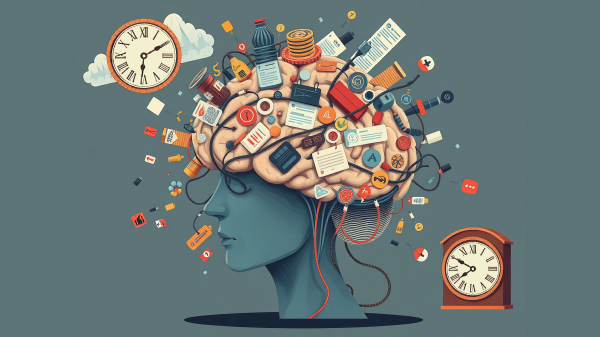
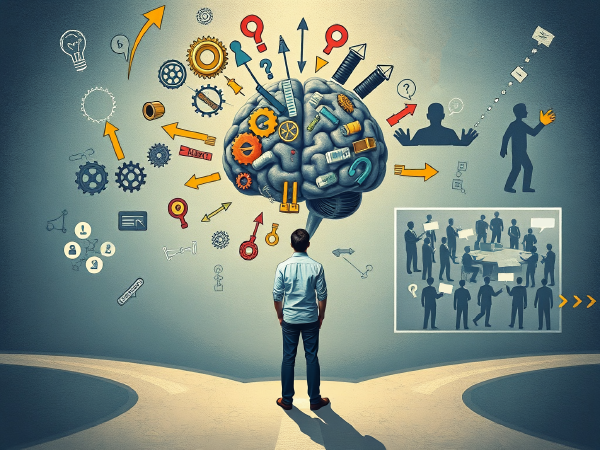
In the fabric of modern existence, the threads of choice are woven more densely than ever before. From the moment of waking, we are confronted with a relentless cascade of decisions. What to wear, what to eat, which emails to answer first, which news alerts to heed, these are but the opening salvo in a daily cognitive battle. By the time the average individual retires for the night, they may have navigated an astonishing 35,000 decisions, each one, no matter how trivial, chipping away at a finite reserve of mental energy. This constant stream of choices, a hallmark of contemporary personal and professional life, carries an unseen but substantial cost. The abundance of options, once seen as the ultimate expression of freedom, often manifests as a paradoxical burden, leading to mental exhaustion, impaired judgment, and a subtle degradation of our ability to choose wisely.
This phenomenon, known as decision fatigue, describes the deterioration in the quality of our decisions after a long session of decision-making. It is not a character flaw or a failure of willpower, but rather a fundamental consequence of the brain’s operational limits. As our cognitive resources are depleted throughout the day, our capacity for thoughtful, rational deliberation diminishes. We become more susceptible to impulsive choices, more likely to procrastinate on essential matters, and more inclined to opt for the simplest, safest, or default option, even when it is suboptimal. The impact of this cognitive drain extends far beyond personal inconvenience; it systematically erodes productivity in high-stakes professions, influences judicial outcomes, and can even lead to significant ethical lapses.
This report provides an exhaustive analysis of decision fatigue, tracing its scientific origins, examining its real-world consequences, and outlining strategies to mitigate it. The investigation begins by exploring the psychological bedrock of the concept: the influential and controversial theory of “ego depletion,” which posits that self-control is a limited resource. It will delve into the seminal experiments that gave rise to this theory and the proposed neurobiological mechanisms that underpin it. Following this, the report will navigate the scientific schism that has emerged, providing a balanced account of the replication crisis that challenged the ego depletion model and the alternative theories that have since been proposed.
The analysis then transitions from theory to application, presenting a detailed, evidence-based examination of how decision fatigue manifests across a spectrum of professional domains. It will explore how this cognitive exhaustion impairs medical professionals’ judgment, influences judges’ rulings, undermines corporate leaders’ strategic thinking, and even affects voters’ behavior in the political arena. A critical section will be dedicated to one of the most disquieting consequences of this mental strain: its corrosive effect on ethical behavior. By synthesizing research on sleep deprivation and moral reasoning, this study will demonstrate that a depleted mind is more susceptible to dishonesty and less inclined toward prosocial actions. Finally, the report will conclude with a comprehensive framework of actionable strategies for building resilience against decision fatigue at the individual, organizational, and technological levels, ultimately arguing that architecting a less fatiguing future requires a conscious and systemic effort to honor the finite nature of our cognitive resources.
The Psychological Bedrock - From Ego Depletion to Decision Fatigue#
The intellectual foundation for understanding decision fatigue is built upon a broader and more influential psychological theory known as the strength model of self-control, or “ego depletion.” Introduced in the late 1990s, this model revolutionized the way psychologists thought about willpower, reframing it not as a moral virtue or a stable personality trait, but as a finite, consumable resource. This section will deconstruct this foundational theory, detailing its core concepts, the landmark experiments that provided its initial evidence, and the proposed physiological mechanisms that attempt to explain its operation.
Genesis: Roy Baumeister’s Strength Model of Self-Control#
In 1998, social psychologist Roy Baumeister and his colleagues published a landmark paper titled “Ego Depletion: Is the Active Self a Limited Resource?” which introduced a powerful new paradigm for understanding self-regulation. The central thesis of their work, which came to be known as the strength model of self-control, is that the capacity for volition, self-regulation, effortful choice, and active initiative draws on a common, limited inner resource. When this resource is expended by one act of volition, the amount available for subsequent acts is temporarily reduced, leading to a state of “ego depletion”.
The term “ego” was deliberately chosen for its connection to Freudian psychoanalytic theory, in which the ego mediates the constant conflict between the id’s primal urges and the superego’s moral constraints. This mediation is an effortful process that requires mental energy. Baumeister’s model modernized this concept, proposing that this mental energy is a real, physiological resource that can be taxed to the point of exhaustion. The core idea is that a wide array of seemingly unrelated acts, such as resisting a tempting food, suppressing an emotional reaction, persisting on a difficult task, or making a complex decision, all draw on the same pool of self-regulatory strength.
To make this concept more intuitive, the theory employs a powerful metaphor: self-control is like a muscle. Just as a muscle becomes fatigued after strenuous exercise, the “muscle” of willpower becomes depleted after it has been exerted. This state of depletion impairs subsequent performance on any task that also requires self-control, even if the functions are in entirely different domains. For example, the mental effort expended to remain polite during a frustrating meeting depletes the same resource needed later to resist an unhealthy snack or to focus on a challenging report. However, the muscle analogy also carries a more optimistic implication: just as physical exercise can strengthen a muscle over time, the regular exertion of self-control in small, manageable ways can potentially increase one’s overall capacity for self-regulation, making one less susceptible to depletion in the long run.
This model represented a significant departure from previous theories of self-control, which often viewed failures of willpower as the result of overwhelming impulses or a lack of motivation. The strength model, in contrast, proposed that failure could occur even with moderate impulses if prior exertions already weakened the self’s capacity to resist. It suggested that self-control is not a static trait but a dynamic state that fluctuates with recent activity, providing a mechanistic explanation for the common human experience of losing resolve at the end of a long, demanding day.
The “Radish vs. Cookie” Paradigm: Seminal Experimental Evidence#
To test the strength model, Baumeister and his colleagues devised a series of ingenious experiments designed to demonstrate that an initial act of self-regulation would cause a performance decrement on a subsequent, unrelated task. The most famous of these, detailed in their 1998 paper, has become known as the “radish vs. cookie” experiment.
The experimental setup was designed to manipulate the exertion of self-control in a tangible way. Student volunteers were brought into a laboratory room filled with the enticing aroma of freshly baked chocolate chip cookies. On a table were two bowls: one containing warm cookies and chocolates, and the other containing radishes. Participants were randomly assigned to one of three conditions. In the “temptation” condition, they were instructed to eat from the bowl of radishes but to resist the tempting sweets. In the “indulgence” condition, they were allowed to eat the cookies and chocolates. A third control group was presented with no food at all and thus did not have to engage in self-control related to eating.
After this initial phase, all participants were moved to a different task, ostensibly for a separate study on problem-solving. They were asked to work on a series of geometric puzzles that were, unbeknownst to them, impossible to solve. The key dependent variable was persistence: how long would each participant attempt the frustrating puzzles before giving up?
The results were striking and provided the first significant empirical support for the ego depletion hypothesis. Participants in the indulgence (cookie) and control conditions persisted on the puzzles for an average of about 19 minutes. However, participants in the temptation (radish) condition gave up in just 8 minutes, less than half the time of the other groups. The interpretation was that resisting the tempting cookies had depleted the participants’ limited self-regulatory resources, leaving them with less willpower to persist on the subsequent, complicated, and frustrating cognitive task. This demonstrated a causal link between two entirely different domains of self-control: dietary restraint and mental persistence, supporting the model’s central claim of a single, general-purpose resource.
The 1998 paper included several other experiments that extended this finding, solidifying the concept that a common resource underlies a broad range of volitional acts.
- In one experiment, participants who were asked to suppress their emotional reactions while watching a distressing film later showed reduced performance on solvable anagrams compared to a control group. This indicated that emotional regulation draws from the same resource pool as cognitive performance.
- In another study, participants who had to make a meaningful but challenging choice, in this case, choosing to deliver a speech that contradicted their personal beliefs (a counter-attitudinal speech), showed a similar decrement in persistence on the impossible puzzles. This linked the act of effortful decision-making directly to the depletion of self-control resources.
These foundational studies, summarized in the table below, established the experimental paradigm for ego depletion research for the next two decades. They collectively suggested that the self’s capacity for active volition is finite and that any act requiring this capacity, whether resisting temptation, controlling emotions, or making a choice, carries a cognitive cost that impairs subsequent self-control.
The very architecture of our executive function, which allows a single, versatile system to manage a diverse array of tasks from emotional regulation to logical reasoning, also creates an inherent fragility. Because all these functions draw from a common well of mental energy, an exertion in one area inevitably lowers the water level for all others. This interconnectedness explains how seemingly minor life events, a frustrating commute requiring emotional suppression, a series of trivial choices at the grocery store, or the simple act of resisting a donut in the breakroom, can have a direct and detrimental impact on our capacity for high-stakes professional judgments and ethical choices later in the day. The “general purpose” nature of our willpower is a double-edged sword; its versatility comes at the cost of profound vulnerability to depletion from myriad unrelated sources.
Defining Decision Fatigue: A Symptom of a Depleted Self#
While Baumeister’s initial work focused on acts of self-regulation, such as resisting temptation and controlling emotions, it was his postdoctoral fellow, Dr. Jean Twenge, who made the explicit connection between simple decision-making and the depletion of this limited mental resource. Recalling the profound mental exhaustion she experienced while creating her wedding registry, Twenge hypothesized that the sheer act of making choices, even simple ones, might tap into the same reserve of energy as willpower.
To test this, Twenge and her colleagues designed an experiment in which one group of students was asked to make a series of shopping decisions (e.g., choosing between different products, such as pens or T-shirts). In contrast, a second group merely considered the same options without making a final choice. Afterward, both groups were subjected to a standard willpower test, such as holding their hand in ice-cold water for as long as possible. The results confirmed her hypothesis: the students who had actively made decisions gave up on the willpower test significantly sooner than those who had only contemplated the choices. This pivotal finding established that choosing itself is a depleting task, giving rise to the concept of decision fatigue.
Decision fatigue can thus be formally defined as the deterioration in the quality of decisions made by an individual after a long session of decision-making. It is understood not as a separate phenomenon but as a specific manifestation, or a “phenotypic expression,” of the underlying state of ego depletion. When a series drains the self’s executive resources of choices, its ability to engage in the cognitively demanding work of subsequent decision-making becomes impaired.
This impairment manifests in several predictable ways as the brain, seeking to conserve its remaining energy, resorts to cognitive shortcuts.
- Reduced Ability to Make Trade-offs: Thoughtful decision-making often requires carefully weighing the pros and cons of different options, a cognitively expensive process known as making trade-offs. A mentally depleted individual becomes reluctant to engage in this effortful calculus.
- Impulsivity and Preference for Immediate Gratification: With self-control weakened, individuals are more likely to opt for choices that offer immediate rewards rather than long-term benefits. This can manifest as impulse purchases at the end of a long shopping trip or choosing an unhealthy snack after a mentally taxing day at work.
- Decision Avoidance and Procrastination: In some cases, the easiest shortcut is not to decide at all. Fatigued individuals may procrastinate, defer choices, or delegate them to others to avoid the mental strain.
- Reliance on Defaults and the Status Quo: When a default option is available, a fatigued brain is highly likely to choose it, as this requires no active deliberation. This is a form of decision avoidance that favors inaction and maintaining the status quo, as changing course requires more cognitive effort.
In essence, decision fatigue represents a shift from a more deliberative, rational mode of thinking (often called “System 2” processing) to a more automatic, intuitive, and heuristic-based mode (often called “System 1” processing). As mental energy wanes, the brain defaults to the path of least resistance, leading to choices that are faster and easier but often less optimal and potentially detrimental.
Neurobiological Correlates: The Brain on Empty#
The psychological theories of ego depletion and decision fatigue are paralleled by research into their potential neurobiological underpinnings, which primarily focus on the brain’s energy consumption and its mechanisms for monitoring cognitive effort.
The key anatomical player in this process is the prefrontal cortex (PFC). This region of the brain, located at the very front of the frontal lobe, is the seat of our highest-order executive functions, including planning, reasoning, self-control, and complex decision-making. These functions are metabolically expensive; the PFC requires a substantial and steady supply of energy to operate effectively. Any task that involves extended periods of decision-making or self-regulation imposes a significant cognitive load, placing a high demand on the PFC’s energy resources.
This led researchers to the glucose hypothesis, the most prominent early physiological explanation for ego depletion. Glucose is the primary source of fuel for the brain. The hypothesis posits that acts of self-control and decision-making consume substantial glucose, thereby lowering blood glucose levels. This drop in available fuel for the brain is thought to be the direct cause of the depleted state, impairing the PFC’s functioning and leading to failures of self-control. Early studies appeared to support this link, showing that engaging in a self-control task led to a measurable drop in blood glucose levels. Furthermore, these studies suggested that the effects of depletion could be reversed by consuming a glucose-rich drink. This effect became popularly known as the “lemonade effect”. This provided a compelling, simple metabolic explanation for the phenomenon of willpower seeming to run out.
More recent neuroscientific research has explored other potential mechanisms beyond simple glucose consumption. Using electroencephalography (EEG) to measure brain activity, researchers have focused on a neural signal known as error-related negativity (ERN). The ERN is a distinct pattern of electrical activity generated in the anterior cingulate cortex (ACC) and believed to function as a “conflict-monitoring” system. The ACC detects discrepancies between one’s intended goal and one’s actual behavior; in other words, it detects errors. Studies have found that after performing a depleting task (such as suppressing emotions), individuals exhibit weaker ERN signals when they subsequently make errors on another task. This suggests that a state of ego depletion may not just be about a lack of “energy” to act correctly, but also about a reduced neural capacity to even detect that one is making a mistake. The brain’s alarm bell for self-correction, it seems, becomes quieter when we are mentally fatigued.
Together, these lines of inquiry suggest that decision fatigue is not merely a subjective feeling of tiredness but is correlated with measurable changes in brain function and metabolism. Whether through the depletion of fuel sources like glucose or the impairment of neural monitoring systems, sustained cognitive effort appears to induce a physiological state in which the brain’s capacity for high-level executive function is genuinely compromised.
The Scientific Schism - The Ego Depletion Replication Crisis and Its Aftermath#
For nearly two decades, the strength model of self-control stood as a pillar of social psychology, an elegant and intuitive theory supported by hundreds of studies. However, beginning in the 2010s, this edifice of knowledge began to show cracks. The theory of ego depletion became a central figure in psychology’s “replication crisis,” a period of intense self-scrutiny in which researchers found that independent labs could not reliably reproduce many of the field’s canonical findings. This section provides a critical examination of this scientific controversy, detailing the failed replications that cast doubt on the theory, the vigorous defense mounted by its proponents, and the alternative models of willpower that have emerged from the debate. This schism reveals the scientific process at its most rigorous and self-correcting, as an appealing idea is subjected to the uncompromising test of reproducibility.
The Unraveling: A Wave of Failed Replications#
The challenge to ego depletion emerged within the broader context of a methodological reckoning in psychology. Spurred by advances in statistical methods and a growing awareness of questionable research practices, scientists began systematically attempting to replicate foundational studies. The results were sobering: a 2015 project that attempted to replicate 100 psychology experiments found that only about 40% of the replications were successful, suggesting that a significant portion of the published literature might rest on a shaky foundation.
The theory of ego depletion soon came under direct fire. The first significant blow was a landmark multi-lab, pre-registered replication report published in 2016 in Perspectives on Psychological Science. Pre-registration is a crucial methodological safeguard in which researchers publicly declare their hypothesis, methods, and analysis plan before collecting data, preventing them from changing their approach after seeing the results to find a statistically significant effect. This large-scale, collaborative effort involved 23 laboratories across multiple continents and over 2,000 participants. The project aimed to replicate a widely used ego-depletion paradigm. The result was a resounding failure: the study found an overall effect size that was statistically indistinguishable from zero. Only two of the 24 research groups involved found a significant positive effect, a rate consistent with what would be expected by random chance alone. This high-profile failure suggested that the ego-depletion effect, at least as it was commonly induced and measured, might not be a genuine and robust phenomenon.
Following this, researchers began to re-examine the vast body of existing evidence with a more critical eye. A key concern was publication bias, also known as the “file-drawer problem.” This is the tendency for studies that find a statistically significant effect to be published. In contrast, studies that find no effect (null results) are often left unpublished in the researchers’ “file drawers.” Over time, this can create a distorted view of the evidence, making an effect appear much more reliable than it is.
Researchers Evan Carter and Michael McCullough conducted a new meta-analysis of the ego-depletion literature, this time using advanced statistical techniques to detect and correct for publication bias. Their re-analysis of the data from a major 2010 meta-analysis, which had initially reported a moderate-to-large effect, found that once publication bias was accounted for, the impact of ego depletion vanished. In a second meta-analysis that included 48 unpublished experiments they had uncovered, they again found “very little evidence” of a real effect. Further analysis of the published literature using z-curve analysis confirmed these suspicions. It revealed a suspicious distribution of results across 166 published articles, with many findings clustered just above the threshold for statistical significance ($p <.05$). This pattern is a strong indicator of publication bias and suggests that the published effect sizes were dramatically inflated. The analysis concluded that the expected discovery rate of an actual effect was only 13%, far lower than the 69% of studies that reported a significant result, implying that a large portion of the published findings could be false positives.
The Defense: Nuance, Method, and the Conservation Hypothesis#
In the face of these powerful critiques, the theory’s proponents, led by Roy Baumeister, mounted a vigorous defense. They argued that the replication failures were not a refutation of the theory itself, but rather a failure of the replicators’ methodology. Baumeister contended that the original experiments required a specific “craft” and that the large-scale, automated, and computer-based protocols used in the replication studies failed to capture the psychological nuances needed to properly induce a state of depletion.
Specifically, he argued that the depleting tasks used in the replication studies were not sufficiently long or strong enough to exhaust participants’ self-control resources. He also suggested that subtle contextual factors, such as performing a task with pen and paper rather than on a computer, could be enough to alter the outcome, as withholding a larger physical movement might require more self-control than a simple key press. In essence, the defense rested on the idea that ego depletion is a real but fragile effect, susceptible to specific experimental conditions that the replication attempts failed to reproduce adequately.
Alongside these methodological critiques, proponents also began to refine the theory itself. The simple idea of a resource being completely exhausted was replaced with a more nuanced conservation hypothesis. This revised model suggests that the brain does not simply run its willpower “tank” to the point of exhaustion. Instead, as it senses its resources dwindling, it enters a conservation mode, proactively reducing effort on non-essential tasks to save energy for potential future challenges. This state of partial depletion is what manifests as reduced performance. This refinement cleverly incorporates the role of motivation; if a subsequent task is sufficiently essential or a strong incentive is offered, the brain can be motivated to override the conservation impulse and expend some of its remaining, guarded resources.
The current scientific landscape remains divided. Critics argue that the persistent failure of large-scale, pre-registered replications is dispositive evidence that the original effect is likely illusory, a product of publication bias and methodological flexibility in the original studies. They point to the theory’s inherent ambiguities as a fundamental flaw. Proponents, however, maintain that the effect is real and that replicability has now been well-established through studies that use improved methods, particularly longer and stronger manipulations designed to ensure genuine fatigue. The debate continues, reflecting a healthy, if contentious, process of scientific self-correction.
Beyond Depletion: Alternative Models of Willpower#
The controversy surrounding ego depletion spurred the development and popularization of alternative models that seek to explain self-regulatory failure without relying on a depleting resource metaphor.
One of the most influential alternatives is the mindset model, championed by psychologist Carol Dweck. This theory posits that the experience of willpower depletion is not a physiological inevitability but is moderated by an individual’s implicit beliefs about the nature of willpower. Dweck’s research demonstrates that individuals who hold a “limited-resource theory”, the belief that willpower is a finite, easily drained resource, exhibit the classic ego-depletion effect. After an initial self-control task, their performance on a subsequent task suffers. However, individuals who hold a “non-limited-resource theory”, the belief that willpower is more like an abundant, self-replenishing resource that can be energized by use, do not show this performance decrement. This suggests that ego depletion may be a form of self-fulfilling prophecy, where the expectation of being tired and giving up becomes the cause of it. The popularization of the “willpower as a muscle” metaphor may have inadvertently taught people to believe their willpower is limited, thereby creating the very effect it sought to describe. This highlights a fascinating possibility: our scientific models of human nature are not merely descriptive; they can become prescriptive, shaping the reality they aim to explain.
Another powerful alternative is the process model, or the motivation/attentional shift model, proposed by Michael Inzlicht and others. This model recasts self-regulatory fatigue not as a failure of capacity but as a functional and adaptive shift in motivation and attention. According to this view, exerting effort on an initial task does not deplete a resource; instead, it changes our cognitive priorities. The brain begins to shift its focus away from “have-to” goals (which require effortful control) and toward “want-to” goals (which promise more immediate gratification or relief). Attention also shifts, making us less sensitive to cues signaling the need for control and more attuned to cues signaling indulgence or rest. The subjective feeling of fatigue, then, is not a warning light for an empty energy tank but an emotional signal prompting us to switch tasks. It is a feature, not a bug, of our cognitive system, designed to ensure we balance our efforts between labor and leisure. This model elegantly accounts for the finding that high motivation or strong incentives can completely erase the ego-depletion effect. If a task is sufficiently engaging or rewarding, the motivational “want-to” aligns with the “have-to,” and fatigue does not arise.
Finally, some critics argue that the entire field of ego-depletion research faces a more profound conceptual crisis. There is no single, clear, and universally agreed-upon operational definition of “self-control.” The tasks used to manipulate and measure it are incredibly diverse, from resisting food to solving math problems to balancing on one leg, and often lack independent validation. In some cases, the same task has been used as a depleting task in one study and a non-depleting control task in another. This conceptual ambiguity makes it difficult to formulate precise, falsifiable predictions, leading to literature that is hard to interpret and even harder to replicate reliably.
Synthesizing the Debate: Is Decision Fatigue Real Without Ego Depletion?#
The intense scientific debate over the mechanism of ego depletion raises a critical question: if the underlying theory of a depleting resource is flawed, is decision fatigue itself an illusion? The evidence suggests a clear distinction must be made between the phenomenon and the proposed mechanism. While the simple, metabolic-resource model of ego depletion has been seriously challenged and may ultimately be incorrect, the observable phenomenon that a long series of decisions degrades the quality of subsequent decisions remains a robust and practically significant finding.
The real-world data, which will be explored in detail in the following section, provides compelling evidence for this phenomenon. The patterns observed among judges, doctors, financial analysts, and voters all point to a consistent decline in performance throughout a decision-making session. This is the “smoke” that is consistently observed in the field. The scientific replication crisis is a debate about the nature of the “fire”: is it a depleting resource, a shift in motivation, a change in mindset, or some combination of factors?
For practitioners, the managers, policymakers, clinicians, and individuals seeking to improve their performance and well-being, the existence of the smoke is what matters most. The practical takeaway that sequential decision-making impairs judgment and performance holds regardless of the ultimate resolution of the theoretical debate. The controversy has been productive, shifting scientific understanding from a simple energy metaphor to a more complex, nuanced model that incorporates the interplay among physiology, motivation, attention, and personal belief. However, the core, actionable conclusion remains unchanged: an unrelenting barrage of choices exacts a cognitive toll, with profound real-world consequences.
The Productivity Drain - Decision Fatigue in the Professional Sphere#
While the theoretical underpinnings of decision fatigue remain a subject of academic debate, its practical impact on performance and productivity in the real world is well-documented across a wide range of professional domains. When individuals are required to make a continuous series of judgments, particularly under pressure, the quality of their cognitive output demonstrably declines over time. This section transitions from theory to application, providing a detailed, evidence-based analysis of how decision fatigue manifests as a tangible drain on productivity in high-stakes fields such as medicine, law, business, and politics, and how modern digital life has exacerbated this fundamental human limitation.
High-Stakes Medicine: Physician and Nurse Fatigue#
The healthcare environment represents a crucible for decision fatigue. Clinicians operate under conditions of immense pressure, high cognitive load, and emotional strain, all while making a constant stream of decisions that carry life-or-death consequences. The sheer volume of choices is staggering; in a single patient encounter in a secondary care setting, an average of 13 decisions may be made, accumulating to an enormous number over the course of a long shift. This relentless demand on cognitive resources provides a fertile ground for decision fatigue to take root, with significant consequences for both patient care and clinician well-being.
A growing body of quantitative and qualitative research reveals predictable patterns in the degradation of clinical judgment over time. Systematic reviews of studies on healthcare professionals (HCPs) show that as a work shift progresses, decision-making becomes demonstrably more conservative and, in many cases, less optimal.
- Prescribing Patterns: One of the most consistent findings is a change in prescribing behavior. General practitioners are significantly more likely to prescribe unnecessary antibiotics for acute respiratory infections as their sessions wear on. This shift towards over-prescription is a classic sign of fatigue; it is often cognitively easier to prescribe to satisfy a patient’s request than to engage in a more complex and time-consuming conversation about why it is not medically indicated. A similar pattern has been observed with the prescription of benzodiazepines later in a shift.
- Preventive Care: Conversely, fatigue can also lead to under-treatment. Studies have shown that physicians are less likely to order appropriate cancer screenings and deliver fewer flu vaccinations for eligible patients seen later in the day. These preventive actions require proactive cognitive effort, which wanes as the day progresses.
- Triage and Surgical Decisions: The tendency to default to simpler, safer options is evident in other clinical contexts. Triage nurses working at telephone helplines become increasingly likely to make conservative decisions, such as advising a caller to see another health professional the same day rather than deferring an appointment, as the time since their last break increases. In a study of surgeons, patients who had appointments later in the day were 33% less likely to be scheduled for an operation compared to those seen earlier. The researchers suggested this was due to decision fatigue, with tired surgeons increasingly defaulting to the status quo of non-intervention, a less mentally taxing choice than deciding to operate.
These behavioral shifts directly threaten the quality of care, leading to impaired diagnostic accuracy, increased risk of medical errors, and potentially compromised patient safety. Furthermore, decision fatigue is deeply intertwined with the clinician burnout crisis. It is identified as both a significant risk factor for burnout and a condition that is exacerbated by it, creating a vicious cycle of cognitive exhaustion and emotional distress. While some research suggests that HCPs may not be consciously aware of these minute-by-minute shifts in their judgment, more recent qualitative studies indicate that many are indeed mindful of the phenomenon and actively employ personal strategies, such as taking breaks and regulating their workload, to mitigate its effects.
The Gavel and the Clock: Judicial Decision-Making#
Perhaps the most widely cited and debated real-world example of decision fatigue comes from the judicial system. The legal profession, which demands sustained analytical rigor and a long series of high-stakes judgments, is particularly susceptible to this cognitive bias. The caricature of justice being “what the judge ate for breakfast” found empirical, albeit controversial, support in a foundational study that shaped the discourse for over a decade.
The most influential articulation of this effect came from a 2011 study by Danziger, Levav, and Avnaim-Pesso on Israeli parole boards. Analyzing over 1,100 rulings, the researchers observed a dramatic pattern: the likelihood of a favorable parole decision started at approximately 65% at the beginning of a session and declined steadily to near zero by the end, resetting abruptly after each food break. This “hungry judge effect” was interpreted through the lens of ego depletion. Granting parole is an active, complex decision requiring deliberation and risk assessment; while denying it is the simpler, status-quo default. As cognitive resources were depleted over the course of a session, the theory held, judges increasingly defaulted to the less taxing choice of denial.
However, this seminal finding has since become a central case study in the replication and methodological scrutiny pervasive in behavioral science. Critics have argued that the observed pattern may be a statistical artifact of non-random case ordering. Favorable rulings, which often require more time for documentation and justification, might be strategically scheduled earlier in a session by court clerks or by judges themselves, conscious of an upcoming break. This “strategic scheduling” hypothesis suggests that the decline in leniency may reflect docket management rather than cognitive depletion. Other attempts to find similar fatigue effects in contexts like pretrial release decisions have yielded mixed and inconsistent results, with legal factors (e.g., prior record, charge severity) proving far more predictive than temporal ones.
This controversy underscores the critical challenge of isolating psychological variables in complex real-world systems. Yet more recent, methodologically rigorous studies have provided nuanced confirmation that decision fatigue is a real, though context-dependent, factor in judicial behavior. A pivotal 2024 study of Arkansas Traffic Courts by Hemrajani and Hobert offers a refined model. It found that in high-volume, rapid-fire arraignment hearings, dismissal rates significantly declined as a session progressed without a break. Conversely, this pattern vanished in trial hearings, where the formal, deliberative structure acted as a “cognitive firewall.” This bifurcation reveals that fatigue predominantly impacts low-engagement, assembly-line justice, where decisions are repetitive and heuristic-driven rather than complex, singular deliberations.
Further evidence of physiological impact comes from research on sleep deprivation. The “Sleepy Punishers” hypothesis, tested using the transition to Daylight Saving Time as a natural experiment, initially suggested judges impose longer sentences on “Sleepy Monday.” However, this finding was heavily criticized by researchers such as Holger Spamann, who highlighted methodological flaws and inconsistent results across different time periods and outcome measures (e.g., sentence length vs. incarceration rate). This debate mirrors the broader replication crisis, highlighting that while the theory linking fatigue to harshness is plausible, obtaining clear archival evidence is challenging.
The practical implications of this body of research are significant: it suggests that the “rule of law” may be subtly but systematically influenced by the “rule of clocks.” If case outcomes vary based on a judge’s cognitive depletion, it raises profound concerns about equity and the spirit of equal protection. This understanding argues not for replacing judges but for the intelligent design of court systems that mitigate fatigue. Evidence-based reforms could include:
- Docket Engineering: Capping the number of sequential, high-volume decisions (like arraignments) before a mandatory break.
- Randomized Case Ordering: Preventing the systematic placement of any defendant type at predictably fatigued periods of the day.
- Transparency and Monitoring: Mandating time-stamped records to allow for the audit of temporal patterns in judicial rulings.
The judicial domain thus encapsulates the core themes of decision fatigue: it demonstrates a tangible cognitive toll under sequential demand, illustrates the fierce debate over mechanisms and measurement, and ultimately points toward systemic solutions that respect the biological limits of human cognition to safeguard the integrity of justice.
Corporate Consequences: Leadership, Finance, and Strategy#
In the corporate world, where strategic agility and sound judgment are paramount, decision fatigue acts as a silent saboteur, affecting everyone from frontline analysts to C-suite executives. The modern business environment, with its relentless pace, constant flow of information, and pressure to make rapid decisions, creates a perfect storm of cognitive overload.
For leaders, the impact is particularly acute. Decision fatigue can transform a visionary, proactive leader into a reactive, crisis-driven manager. When mentally drained, executives are more prone to several detrimental behaviors:
- Procrastination and Avoidance: Important strategic calls are pushed to “tomorrow” because they feel too mentally taxing in the moment. This indecision can lead to missed market opportunities, unresolved internal issues that escalate, and a general loss of organizational momentum.
- Impulsive and Hasty Judgments: To conserve energy, a fatigued leader might prioritize speed over accuracy, signing off on a partnership without due diligence, approving a budget without thorough review, or agreeing to an unrealistic deadline to conclude a meeting. These shortcuts often create larger problems down the road.
- Over-reliance on the Status Quo: The path of least resistance is often to continue with what is familiar. A fatigued leader may stick with an underperforming supplier or an outdated strategy because the cognitive effort required to evaluate and implement a change feels overwhelming. This inertia stifles innovation and can erode a company’s competitive advantage.
This degradation of leadership quality inevitably trickles down, creating uncertainty and lowering morale among teams who observe their leaders hesitating or making erratic choices. The financial consequences can be substantial, stemming from flawed investments, poor vendor choices, and missed opportunities that accumulate over time.
The impact of decision fatigue is not just anecdotal; it has been quantitatively measured in the financial sector. A study of business analysts found that their forecast accuracy measurably declined as the day wore on, and a greater reliance on heuristic decision-making methods, such as following the crowd or relying on past decisions, accompanied this decline. Another study focusing specifically on financial analysts who issued multiple earnings forecasts in a single day found a significant decrease in the accuracy of their later forecasts. Similarly, research on credit officers has shown they are less likely to approve credit loans during midday compared to early in the workday, suggesting a shift towards the more conservative, default option of denial as fatigue sets in.
Intriguingly, there is evidence that some professionals are not merely passive victims of this cognitive bias but actively work to manage it. The study of financial analysts revealed a pattern of strategic behavior: analysts tend to issue forecasts for more critical and complex firms earlier in the day, when their cognitive resources are at their peak. This behavior is even more pronounced among younger analysts and those at lower-status brokerage houses, individuals with stronger career concerns who have a greater incentive to ensure their most visible work is of the highest quality. This suggests the emergence of a crucial meta-skill in modern knowledge work: the ability to strategically manage and allocate one’s finite cognitive budget. In a world saturated with information and decisions, high-performers are not just those with the most expertise, but those who are expert “cognitive economists,” consciously directing their most precious resource, mental energy, to the tasks where it will yield the highest return.
The Political Arena: From Leaders to Voters#
The effects of decision fatigue are readily apparent in the political sphere, influencing the behavior of both the governors and the governed. For high-level political leaders operating in an environment of perpetual crisis and choice, managing cognitive load is a critical component of effective governance. For voters, the cumulative burden of making choices on long ballots or in frequent elections can degrade the quality of democratic participation.
Prominent political leaders have long recognized the need to conserve their decision-making energy. Former U.S. President Barack Obama famously spoke about his strategy of reducing his daily choices to a minimum. By wearing only gray or blue suits, he eliminated a trivial decision from his morning, thereby conserving his mental bandwidth for the far more consequential decisions of state. This practice is not unique to him; figures like Steve Jobs (with his signature black turtleneck and jeans) and Mark Zuckerberg have adopted similar “uniforms” for the same reason. Beyond wardrobe, effective leaders ration their decision-making capacity by structuring their days to tackle the most critical issues in the morning, delegating heavily, and creating systems to ensure they are only brought in on a limited number of the most essential decisions. This is a conscious acknowledgment that willpower is a finite resource that must be strategically husbanded.
This cognitive limitation also extends to the electorate, where it can manifest as voter fatigue. This phenomenon takes two primary forms:
- Choice Fatigue within a Single Ballot: When presented with a long and complex ballot, voters’ ability to make considered choices deteriorates as they progress through the contests. A compelling natural experiment in California analyzed voting patterns and found that the further down a contest appeared on the ballot, the more likely voters were to either abstain from that race entirely (a phenomenon known as “roll-off” or “ballot exhaustion”) or to rely on cognitive shortcuts. These shortcuts included defaulting to the status quo (voting “no” on propositions, which in California always represents no change) or simply choosing the first candidate listed in a race. The effect was substantial: the study estimated that choice fatigue accounted for 8% of all abstentions in down-ballot races and that 6% of the propositions that failed would have passed if they had appeared at the top of the ballot.
- Fatigue from Election Frequency: A separate body of research has examined the impact of holding numerous elections in close succession. A study using a natural experiment in Germany found that when two elections were scheduled within a short period, voter turnout at the second election was significantly lower. This “voter fatigue” effect was more pronounced for elections perceived as less important (e.g., regional or European Parliament elections) than for national federal elections. This suggests that citizens have a limited “budget” for civic engagement, and an overabundance of participatory demands can deplete it, leading to lower participation.
A related concept, termed “regime fatigue” or “party fatigue,” has been proposed as a cognitive-psychological model to explain long-term political shifts. The theory suggests that after a political party has held power for an extended period (e.g., two or more presidential terms), voters become more susceptible to a “negativity effect,” where negative information about the incumbent party becomes more salient. This cognitive bias, potentially fueled by a general fatigue with the status quo, makes a change in leadership more probable with each successive election. Across these different contexts, a consistent pattern emerges: an excess of political choices, whether on a single ballot or across an electoral calendar, taxes the cognitive resources of the electorate, leading to less engaged and more heuristic-driven democratic decision-making.
Modern Aggravators: The Digital Deluge#
While decision fatigue is a fundamental aspect of human cognition, the conditions of modern life have amplified its prevalence and intensity to unprecedented levels. The primary driver of this escalation is the digital environment, which subjects us to a constant and overwhelming deluge of information and micro-decisions.
The phenomenon of information overload is a key exacerbating factor. The average professional is inundated with a continuous stream of emails, reports, and data, all demanding attention and cognitive processing. Each piece of information requires a decision: read, ignore, file, or respond. This constant triage of information places a heavy and persistent load on the prefrontal cortex, accelerating the depletion of mental energy. Digital communication tools, particularly smartphones and social media platforms, are major contributors to this cognitive burden. Each notification, ping, or message constitutes a micro-decision that interrupts focus and consumes a small portion of our limited cognitive resources. Over the course of a day, these hundreds of micro-decisions accumulate, leading to significant mental exhaustion.
Social Media Fatigue (SMF) has emerged as a distinct and potent form of this modern affliction. Social media platforms are characterized by an endless scroll of information, asynchronous conversations that accumulate, and a high volume of often useless or emotionally charged content, all of which contribute to information overload and “technostress”. The very design of these platforms can create a vicious cycle of depletion. The constant temptation to check for new notifications requires self-regulation to resist. This act of resistance depletes the very self-control resources needed to disengage from the platform, making problematic, excessive use more likely. This, in turn, leads to greater fatigue and frustration. Alarmingly, research has begun to link excessive social media use with impaired risky decision-making, finding patterns of behavior in heavy users that are comparable to those seen in individuals with substance use disorders.
The COVID-19 pandemic further compounded this pre-existing state of heightened cognitive load. The public health emergency was a mass decision fatigue event. Individuals were forced to constantly evaluate risks and make choices based on evolving, sometimes conflicting, scientific advice on masks, vaccinations, and social distancing. The end of the acute phase of the pandemic did not bring relief but rather a new layer of complexity. Many individuals now find their cognitive bandwidth occupied by decisions and anxieties related to larger, more abstract global issues, such as political instability, climate change, and economic uncertainty, all of which are amplified by the 24-hour news cycle and social media. This constant background hum of high-stakes, complex problems adds a significant and chronic burden to our already overtaxed decision-making faculties.
The cumulative effect of these modern aggravators is a state of near-constant, low-grade decision fatigue for many people. Our cognitive reserves are being drained not just by the major decisions of our work and personal lives, but by the ceaseless hum of the digital world, leaving us more vulnerable to poor judgment, decreased productivity, and ethical lapses.
Across these diverse professional domains, a unifying theme becomes clear: when a long sequence of decisions strains cognitive resources, human judgment consistently shifts toward the path of least mental resistance. This often means defaulting to the status quo. For a judge, the status quo is denying parole and keeping a prisoner incarcerated. For a surgeon, it is choosing not to operate. For a voter, it is rejecting a new proposition to keep the existing law in place. For a business leader, it is sticking with a familiar but underperforming supplier. This pattern reveals a profound systemic bias embedded within any system that relies on long chains of human decisions. These systems are inherently biased against change, innovation, and reform, not necessarily because of ideological opposition, but because of the fundamental architecture of human cognition. The sheer cognitive cost of actively choosing to change the status quo creates a powerful inertia. This fatigue-induced conservatism can cause organizations and institutions to stagnate, perpetuating inefficiencies and preventing necessary progress simply because the mental energy required for change has been exhausted by the daily grind of decision-making.
The Moral Compass Astray - The Link Between Fatigue and Unethical Behavior#
Beyond its impact on productivity and performance, one of the most profound and unsettling consequences of decision fatigue is its capacity to erode ethical judgment and promote dishonest behavior. The same cognitive resources that are depleted by making choices and regulating behavior are also essential for navigating moral dilemmas and resisting unethical temptations. When these resources are low, our moral compass can be led astray, not necessarily by a change in our values, but by a simple lack of mental energy to uphold them. This section explores the robust link between cognitive fatigue and moral lapses, synthesizing evidence from experimental psychology and organizational behavior.
The “Morning Morality Effect”: Time as a Moral Variable#
A compelling line of research has established the “morning morality effect”: people are more likely to engage in unethical behavior, such as lying or cheating, in the afternoon than in the morning. This temporal pattern aligns perfectly with the predictions of the ego-depletion and decision-fatigue models. Self-control resources are at their peak after a night of restorative sleep. They are progressively drained by the cognitive demands of the day, making decisions, regulating emotions, and concentrating on tasks.
The underlying mechanism is straightforward. Resisting the temptation to act unethically, whether it is the temptation to lie for personal gain, cut corners on a project, or claim unearned credit, requires an act of self-control. It involves overriding a selfish or impulsive desire in favor of adhering to a moral or social standard. This act of resistance draws upon the same limited resource pool that is used for all other forms of self-regulation. Consequently, as this resource depletes throughout the day, an individual’s ability to resist unethical temptations weakens. A person who might have easily resisted a dishonest impulse at 9 AM may find themselves giving in to the same temptation at 4 PM, not because their moral character has changed, but because their cognitive capacity for self-control has been exhausted.
This reframes ethical behavior crucially. It is not a passive, default state but an active, cognitively demanding process. Morality, in this sense, is metabolically expensive. It requires the constant expenditure of a finite mental resource to suppress more “automatic” or “easy” selfish responses. This understanding has profound implications, suggesting that we cannot simply expect individuals to “do the right thing” without also considering their cognitive state. An environment characterized by high stress, long hours, and relentless decision-making is not just a threat to productivity; it is a direct threat to ethical integrity, systematically depleting the very resource needed for moral conduct.
Experimental Evidence: Sleep, Depletion, and Dishonesty#
To test the causal link between cognitive depletion and unethical behavior, researchers have often used sleep deprivation as a robust and reliable method to induce ego depletion. Sleep is fundamentally a restorative process for the brain, replenishing the neurobiological resources required for executive functions, including self-control. By experimentally manipulating the amount of sleep participants receive, researchers can directly observe the effects of a depleted state on subsequent moral choices.
A series of experiments by Professor David Welsh and his colleagues provides clear evidence for this connection. In one study, a group of undergraduate students was kept awake all night in a laboratory. The following day, when presented with a task that offered a cash reward for deceiving the researchers, the sleep-deprived participants were significantly more likely to behave unethically than a well-rested control group. These findings have been replicated in organizational settings, for example, with sleep-deprived nurses, demonstrating the effect’s real-world applicability.
A particularly robust investigation by David Dickinson and David Masclet used a hybrid field-lab design to enhance ecological validity. Participants were randomly assigned to either a sleep-restriction group or a well-rested control group for an entire week, with their sleep patterns monitored at home using validated instrumentation. At the end of the week, they were brought into the lab to complete several decision-making tasks. The results were unambiguous: the sleep-restricted participants cheated significantly more on two different honesty tasks, the “Coin Flip” task (measuring imperfectly identifiable dishonesty) and the “Matrix” task (measuring identifiable dishonesty), than their well-rested counterparts.
The link between sleepiness and dishonesty is believed to be mediated by reduced deliberation. Ethical decision-making often requires effortful cognitive processing to override an immediate, self-interested impulse. Sleep deprivation impairs this deliberative capacity, making it more challenging to engage in the mental work necessary to choose the honest path. When the brain is fatigued, the easier, more automatic, and often more selfish option becomes more likely to prevail.
Prosociality and Guilt: The Erosion of Empathy#
The impact of ego depletion on moral behavior is not limited to increased dishonesty; it also corresponds with a decrease in prosocial behaviors voluntarily undertaken to benefit others, such as helping, sharing, or volunteering. These actions often require overriding selfish impulses (e.g., conserving one’s time or resources) in favor of another’s well-being, thus drawing on the same limited self-control resource.
Research published in Social Psychological and Personality Science has shown that individuals in an ego-depleted state are less likely to engage in prosocial actions. The study uncovered a key psychological mechanism behind this effect: a reduction in guilt. Guilt is a powerful moral emotion that often motivates reparative and prosocial behavior. The study found that when depleted individuals were asked to reflect on past transgressions, they reported feeling less guilt than non-depleted individuals. This blunting of the guilt response subsequently led to a measurable decline in their willingness to perform helpful or altruistic acts. This suggests that cognitive fatigue not only makes it harder to resist doing wrong but also makes us feel less bad about it, thereby weakening a critical driver of doing good.
A crucial nuance in this research area is the role of social distance. The experimental work on sleep restriction and honesty found that the increase in dishonest behavior was more pronounced when the victim of the dishonesty was abstract and impersonal (e.g., “the researcher’s budget”) compared to when the harm was done to a specific, identifiable person at a closer social distance (e.g., another participant in the study). This finding points to an essential interaction between cognitive state and social context. The empathetic or motivational response triggered by the prospect of harming a concrete individual may be strong enough to help override the effects of depletion. However, when the victim is abstract, such as a large corporation, “the system,” or the government, this empathetic override is absent. In this context, a fatigued mind is far more likely to rationalize and permit an unethical act, as the harm feels diffused and impersonal. This helps explain a wide range of real-world unethical behaviors, from padding an expense report to tax evasion, where the “victim” is an abstract entity, making it easier for a depleted mind to justify the transgression.
Organizational Implications: Fostering Ethical Climates#
The robust link between fatigue and unethical behavior carries profound implications for organizations. It suggests that corporate cultures characterized by long hours, high pressure, and an unrelenting pace of decision-making are not just fostering burnout, they may be systematically creating environments that are conducive to ethical failures. When employees are chronically sleep-deprived and cognitively depleted, their capacity for moral self-regulation is compromised, increasing the organization’s risk of misconduct, fraud, and reputational damage.
This perspective underscores that ethical behavior is not solely a matter of individual character but is heavily shaped by the organizational context. While individual integrity is essential, the environment can either support or undermine it. Research indicates that strong ethical leadership and a clearly communicated, consistently enforced code of conduct can serve as powerful contextual buffers. These elements create a salient ethical climate that reinforces moral norms and enhances ethical awareness, making it more likely that even a fatigued employee will adhere to standards.
Conversely, a hostile social environment can amplify the effects of fatigue. For example, research has shown that it is much harder to resist unethical social influences, such as pressure from peers or superiors to cut corners, when one is sleep-deprived, because it is cognitively easier to go along with the group than to push back. Furthermore, unethical behavior can be contagious. Social learning theory suggests that in situations of uncertainty or fatigue, individuals are more likely to look to others’ behavior for guidance. Suppose a few individuals in a group begin to act unethically. In that case, it can create a social norm that triggers a cascade of similar behavior among others, as perceived moral responsibility diffuses across the group.
Therefore, organizations seeking to build a strong ethical culture must move beyond a narrow focus on compliance rules and consider their employees’ cognitive well-being. Fostering an ethical climate requires actively managing workloads, promoting work-life balance, encouraging adequate rest, and designing decision-making processes that minimize cognitive strain. It means recognizing that ethical fortitude is not limitless and that protecting it is a shared responsibility between individuals and organizations.
Section V: Navigating the Gauntlet - Strategies for Mitigation and Resilience#
Recognizing the pervasive and detrimental impact of decision fatigue is the first step; the second, more critical step is developing effective strategies to mitigate its effects. The research points not toward a single solution but to a multi-layered approach that combines individual discipline, intelligent organizational design, and the strategic use of technology. This section provides a comprehensive, actionable framework for combating decision fatigue, offering evidence-based strategies to conserve cognitive resources and build resilience at the individual, organizational, and technological levels. The overarching goal is not to demand limitless willpower from individuals, but to architect environments that honor and accommodate the finite nature of human cognition.
Individual Fortitude: Conserving Personal Cognitive Resources#
At the individual level, managing decision fatigue is akin to managing a personal energy budget. It involves a conscious effort to reduce unnecessary cognitive expenditures, strategically allocate resources to high-priority tasks, and engage in regular practices that replenish mental reserves. This approach empowers individuals, giving them a sense of control over their cognitive resources and the ability to make informed decisions about how to allocate them.
Priority and Schedule#
A cornerstone of individual strategy is to align the most demanding cognitive tasks with periods of peak mental energy. For most people, this means tackling the most complex and essential decisions in the morning, when self-regulatory resources are fully replenished after a night’s sleep. Deferring less critical choices until later in the day preserves this prime cognitive window for what matters most. To aid in this prioritization, frameworks like the Eisenhower Matrix can be invaluable. This tool helps individuals categorize tasks into four quadrants based on their urgency and importance:
- Urgent and Important: Do immediately.
- Important, Not Urgent: Schedule for later.
- Urgent, Not Important: Delegate.
- Not Urgent, Not Important: Eliminate.
By systematically applying such a framework, one can consciously direct focus and energy rather than being pulled reactively in multiple directions.
Simplify and Automate#
A powerful way to conserve mental energy is to reduce the sheer number of decisions made each day. This involves identifying recurring, low-stakes choices and automating them. The famous examples of leaders like Barack Obama and Steve Jobs wearing a daily “uniform” illustrate this principle perfectly. By eliminating a trivial choice, they freed up cognitive resources for more consequential matters. Individuals can apply this by establishing routines for meals, workouts, and daily planning. Automating financial tasks like bill payments or setting up recurring grocery lists also offloads cognitive work, freeing up mental bandwidth. The more predictable and routine the mundane aspects of life become, the more energy is available for complex and novel challenges.
Replenish and Recover#
Cognitive resources, like physical ones, need to be replenished. This involves both micro and macro-level recovery strategies, highlighting the importance of regular breaks and adequate sleep in maintaining cognitive resilience.
- Take Regular Breaks: The brain is not designed for prolonged, uninterrupted focus. Research shows that taking short, frequent breaks can significantly restore mental energy and improve decision-making capabilities. Techniques like the Pomodoro Technique, working in focused 25-minute intervals separated by 5-minute breaks, provide a structured way to build recovery into the workday.
- Prioritize Sleep: Sleep is non-negotiable for cognitive restoration. It is during sleep that the brain clears metabolic waste and consolidates memories, effectively resetting its executive function capacity. Chronic sleep deprivation is a major contributor to decision fatigue and impaired self-control. This underscores the importance of self-care and the need to prioritize sleep for maintaining cognitive resilience.
- While the direct role of glucose in ego depletion is debated, maintaining stable blood sugar levels through balanced nutrition is crucial for overall brain function. Avoiding large spikes and crashes in blood sugar can help mitigate fatigue and maintain cognitive performance, underscoring the role of balanced nutrition in supporting cognitive function.
Practice Self-Awareness#
Finally, developing metacognitive awareness is key. This involves learning to recognize the personal signs of decision fatigue, such as increased irritability, a tendency to procrastinate, or a desire to make impulsive choices. When these symptoms are noticed, it is a signal to pause, step back, and, if possible, defer the decision until one feels more refreshed. Practices like mindfulness, meditation, and deep breathing can also be powerful tools. They help reduce the physiological stress that accompanies cognitive overload, clear mental clutter, and improve focus, thereby enhancing cognitive function and decision-making quality.
Organizational Architecture: Designing Less Fatiguing Work#
While individual strategies are crucial, they may not be enough if the organizational environment itself is the primary source of cognitive overload. There is a growing understanding that organizations play a significant role in creating cognitively sustainable work environments. This necessitates a shift from simply expecting employees to be more resilient to fundamentally redesigning workflows, structures, and cultural norms to minimize unnecessary decision fatigue.
Process and Workflow Design#
A significant source of cognitive load is poorly designed processes that force employees to constantly “reinvent the wheel.” Organizations can mitigate this by:
- Standardizing and Automating: For everyday and repetitive tasks, creating clear standard operating procedures (SOPs), checklists, templates, and decision-making playbooks can dramatically reduce the mental effort required. This ensures consistency and frees up employees’ cognitive resources for more complex, strategic work.
- Limiting Options: The “paradox of choice” suggests that more options are not always better. When presenting choices to teams or customers, organizations should curate and limit the selection to a few viable alternatives. This reduces the cognitive burden of evaluation and prevents “analysis paralysis”.
- Task Batching: Encouraging or designing workflows around task batching, grouping similar activities, can enhance efficiency and reduce fatigue. Answering all emails in a single dedicated block, for example, is less cognitively taxing than constantly switching between writing, responding to messages, and other tasks.
Structural and Cultural Interventions#
Beyond specific processes, broader structural and cultural changes are often necessary.
- Strategic Delegation and Empowerment: A culture of micromanagement concentrates decision-making at the top, overwhelming leaders and disempowering employees. Effective organizations build clear frameworks for delegation, empowering team members to make decisions within their areas of responsibility. This not only distributes the cognitive load but also fosters a sense of ownership, accountability, and professional development throughout the organization.
- Building in Recovery: A culture that glorifies constant work and “powering through” is a recipe for burnout and poor decision-making. Forward-thinking organizations actively build recovery into their operating rhythm. This includes encouraging and modeling the importance of taking regular breaks, protecting lunch hours, and ensuring reasonable work shifts, especially in high-pressure crisis response environments.
- Fostering Psychological Safety: It is crucial to create a culture where employees feel safe to admit they are tired, overwhelmed, or uncertain. When individuals can openly communicate their cognitive state without fear of being judged as weak or incompetent, teams can more effectively balance workloads and provide support where it is needed most. This honesty is a strategic imperative for maintaining high-quality collective decision-making.
- Aligning Around a Shared Vision: A clear and compelling shared vision acts as a decentralized decision-making guide. When every team member understands the organization’s overarching goals and values, they are empowered to make autonomous choices that are naturally aligned with the mission. This reduces the need for constant top-down approvals and distributes the decision-making burden more effectively.
The relationship between individual and organizational responsibility is symbiotic. An individual’s capacity to manage their own cognitive resources is profoundly constrained or enabled by the systems and culture of their workplace. An organization can provide all the wellness apps and time management training it wants. Still, if its core operating model demands constant availability and an unsustainable pace of decision-making, it is merely offloading a systemic problem onto its employees. Truly effective mitigation requires a systemic approach, in which the organization takes primary responsibility for architecting a cognitively sustainable environment rather than simply demanding more resilience from its people in the face of an unsustainable one.
The Technological Frontier: AI as Ally and Antagonist#
The rise of artificial intelligence (AI) and advanced automation presents both a powerful solution to decision fatigue and a potential new set of challenges. When deployed thoughtfully, technology can serve as a powerful ally, offloading cognitive burdens and freeing up human minds for higher-level thinking. However, over-reliance on these tools risks turning them into “cognitive crutches” that atrophy our own critical thinking skills.
AI as a Decision Support System#
The most promising application of AI in combating decision fatigue lies in its role as a sophisticated decision support system.
- Automating Low-Value Decisions: AI-powered tools are exceptionally well-suited to handling the high volume of routine, administrative, and repetitive decisions that consume so much of our daily cognitive budget. Intelligent assistants can automate meeting scheduling, transcribe and summarize calls, send follow-up reminders, and manage routine workflows, significantly reducing the number of micro-decisions individuals must make.
- Classifying, Prioritizing, and Recommending: AI can sift through vast amounts of data to classify and prioritize information, presenting it to human decision-makers in a more manageable format. For example, an AI can triage a project backlog by estimating effort and urgency, score sales leads based on their likelihood to convert, or analyze complex datasets to highlight key trends in an intuitive dashboard. By narrowing the field of options and recommending a small number of viable paths, AI reduces the cognitive load of analysis and evaluation.
- Enhancing Data-Driven Insights: Advanced analytics platforms can consolidate disparate data sources into a single, coherent view, providing real-time insights that enable more confident and less mentally taxing decision-making. This allows leaders to focus on strategic interpretation rather than the manual work of data wrangling.
The Risk of the “Cognitive Crutch”#
While the benefits are clear, the uncritical adoption of AI carries a significant risk known as the “automation paradox”: the more reliable and capable an automated system becomes, the less engaged human operators are. The more their own skills can degrade. An over-reliance on AI can turn it into a cognitive crutch that weakens our own critical thinking muscles. Research is already showing that leaders who heavily delegate decision-making to AI systems may experience a reduction in their ability to generate novel solutions to complex problems. Their capacity for counterfactual reasoning, system-level thinking, and value-based judgment can atrophy from disuse.
To mitigate this risk, it is essential to design “human-in-the-loop” systems that augment, rather than replace, human judgment. This involves several key strategies:
- Designate “Human-Only” Decision Zones: Certain categories of decisions, particularly those with significant ethical implications, those involving novel situations without historical precedent, or those concerning core strategic pivots, should be explicitly designated as requiring human deliberation.
- Practice Deliberate Challenge: For critical AI-recommended decisions, organizations should implement processes to challenge the algorithm’s output actively. This could involve assigning a “red team” to articulate the strongest possible counterargument, thereby preventing confirmation bias and testing the AI’s reasoning’s robustness.
- Maintain Metacognitive Awareness: Leaders and teams should maintain decision journals to document how and why key decisions were made, noting the influence of AI tools and the points at which human judgment modified algorithmic recommendations. This practice builds awareness of one’s own decision-making process and creates a valuable feedback loop for improvement.
Ultimately, the most effective and sustainable use of technology is not to outsource our thinking, but to leverage automation to eliminate the truly routine and repetitive decisions. By doing so, we can reclaim and reinvest our finite cognitive capacity in the complex, nuanced, and value-laden judgments that define visionary leadership and uniquely human wisdom.
Conclusion: Architecting a Less Fatiguing Future#
The journey through the science of decision fatigue reveals a fundamental and often-underestimated truth about the human condition: our capacity for thoughtful, deliberate choice is a finite and fragile resource. The relentless barrage of decisions that characterizes modern life, amplified by a digital world of endless options and constant connectivity, exacts a tangible and measurable cognitive toll. This exhaustion degrades our productivity, impairs our judgment in critical professional roles, and, most troublingly, corrodes our ethical resolve. Decision fatigue is not a personal failing but a systemic challenge, a predictable consequence of placing an infinite demand on a finite cognitive supply.
The scientific narrative itself reflects this complexity. It began with the simple, elegant theory of ego depletion, the idea of willpower as a depletable muscle fueled by glucose. This model provided an intuitive explanation for a common experience and spawned a vast field of research. Yet, as this report has detailed, the rigors of the scientific process, particularly the crucible of the replication crisis, have challenged this simple mechanism. The debate has evolved, moving beyond a singular focus on depleting resources to a more nuanced, holistic understanding that incorporates the influential roles of motivation, personal beliefs, attentional shifts, and cognitive conservation. While the precise nature of the “fire” is still debated, the “smoke”, the observable phenomenon of declining decision quality over time, remains an undeniable reality with profound consequences.
The evidence from the courtroom, the hospital, the trading floor, and the voting booth paints a consistent picture. When fatigued, we default to the status quo, we avoid complexity, and we become more susceptible to impulse and bias. This has created systemic inertia in our institutions, a hidden force that favors inaction over innovation and safety over progress. The link to unethical behavior is perhaps the most sobering finding of all, reframing morality not as a static virtue but as a cognitively expensive act that becomes harder to perform when our mental reserves are low.
The path forward, therefore, lies not in a futile quest for limitless willpower but in a more humble and strategic approach: the conscious and deliberate architecting of our lives and institutions to be less cognitively taxing. The comprehensive strategies outlined, from individual practices of prioritization and recovery to organizational redesigns that standardize workflows and foster psychological safety, are not mere productivity hacks. They are principles of sound cognitive ergonomics. They represent a shift from demanding more from the individual to designing more intelligent systems that respect our inherent biological limits. The emergence of artificial intelligence offers a powerful new tool in this endeavor, promising to automate the mundane and free our minds for the consequential, provided we remain vigilant against the erosion of our own critical faculties.
Ultimately, managing decision fatigue is about recognizing that our attention and our capacity for deliberate thought are our most precious resources. By building routines that conserve them, cultivating organizational cultures that protect them, and deploying technologies that augment them, we can create the mental space necessary for clarity, innovation, and integrity to flourish. The challenge is to move from a culture that celebrates “powering through” to one that values and designs for sustainable cognitive performance, thereby architecting a less fatiguing and more thoughtful future for all.
References#
- Baumeister, R. F., André, N., Southwick, D. A., & Tice, D. M. (2024). Self-control and limited willpower: Current status of ego depletion theory and research. Current Opinion in Psychology, 60, Article 101882. https://doi.org/10.1016/j.copsyc.2024.101882
- Baumeister, R. F., & Vohs, K. D. (2016). Strength model of self-regulation as limited resource: Assessment, controversies, update. In J. M. Olson & M. P. Zanna (Eds.), Advances in experimental social psychology (Vol. 54, pp. 67–127). Academic Press. https://doi.org/10.1016/bs.aesp.2016.04.001
- Berger, J., & Rand, L. (2008). Shifting signals to help health: Using identity signaling to reduce risky health behaviors. Journal of Consumer Research, 35(3), 509–518. https://doi.org/10.1086/587632
- Boksem, M. A. S., & Tops, M. (2008). Mental fatigue: Costs and benefits. Brain Research Reviews, 59(1), 125–139. https://doi.org/10.1016/j.brainresrev.2008.07.001
- Carter, E. C., & McCullough, M. E. (2014). Publication bias and the limited strength model of self-control: Has the evidence for ego depletion been overestimated? Frontiers in Psychology, 5, Article 823. https://doi.org/10.3389/fpsyg.2014.00823
- Dai, H., Milkman, K. L., & Riis, J. (2014). The fresh start effect: Temporal landmarks motivate aspirational behavior. Management Science, 60(10), 2563–2582. https://doi.org/10.1287/mnsc.2014.1901
- Danziger, S., Levav, J., & Avnaim-Pesso, L. (2011). Extraneous factors in judicial decisions. Proceedings of the National Academy of Sciences, 108(17), 6889–6892. https://doi.org/10.1073/pnas.1018033108
- Dhir, A., Kaur, P., Chen, S., & Pallesen, S. (2019). Antecedents and consequences of social media fatigue. International Journal of Information Management, 48, 193–202. https://doi.org/10.1016/j.ijinfomgt.2019.05.021
- Dickinson, D. L., & Masclet, D. (2023). Unethical decision making and sleep restriction: Experimental evidence. Games and Economic Behavior, 141, 484–502. https://doi.org/10.1016/j.geb.2023.07.004
- Eyal, T., & Liberman, N. (2012). Morality and psychological distance: A construal level theory perspective. In M. Mikulincer & P. R. Shaver (Eds.), The social psychology of morality: Exploring the causes of good and evil (pp. 185–202). American Psychological Association. https://doi.org/10.1037/13091-010
- Friese, M., Frankenbach, J., Job, V., & Loschelder, D. D. (2017). Does self-control training improve self-control? A meta-analysis. Perspectives on Psychological Science, 12(6), 1077–1099. https://doi.org/10.1177/1745691617697076
- Hagger, M. S., Chatzisarantis, N. L. D., Alberts, H., Anggono, C. O., Batailler, C., Birt, A. R., Brand, R., Brandt, M. J., Brewer, G., Bruyneel, S., Calvillo, D. P., Campbell, W. K., Cannon, P. R., Carlucci, M., Carruth, N. P., Cheung, T., Crowell, A., De Ridder, D. T. D., Dewitte, S., … Zwienenberg, M. (2016). A multilab preregistered replication of the ego-depletion effect. Perspectives on Psychological Science, 11(4), 546–573. https://doi.org/10.1177/1745691616652873
- Hemrajani, R., & Hobert, T. (2024). The effects of decision fatigue on judicial behavior: A study of Arkansas traffic court outcomes. Journal of Law and Courts, 12(2), 435–443. https://doi.org/10.1017/jlc.2023.21
- Hobfoll, S. E., Halbesleben, J., Neveu, J.-P., & Westman, M. (2018). Conservation of resources in the organizational context: The reality of resources and their consequences. Annual Review of Organizational Psychology and Organizational Behavior, 5(1), 103–128. https://doi.org/10.1146/annurev-orgpsych-032117-104640
- Inzlicht, M., & Berkman, E. (2015). Six questions for the resource model of control (and some answers). Social and Personality Psychology Compass, 9(10), 511–524. https://doi.org/10.1111/spc3.12200
- Inzlicht, M., & Schmeichel, B. J. (2012). What is ego depletion? Toward a mechanistic revision of the resource model of self-control. Perspectives on Psychological Science, 7(5), 450–463. https://doi.org/10.1177/1745691612454134
- Job, V., Walton, G. M., Bernecker, K., & Dweck, C. S. (2015). Implicit theories about willpower predict self-regulation and grades in everyday life. Journal of Personality and Social Psychology, 108(4), 637–647. https://doi.org/10.1037/pspp0000014
- Kip, H., Da Silva, M. C., Bouman, Y. H. A., Van Gemert-Pijnen, L. J. E. W. C., & Kelders, S. M. (2021). A self-control training app to increase self-control and reduce aggression: A full factorial design. Internet Interventions, 25, Article 100392. https://doi.org/10.1016/j.invent.2021.100392
- Klapproth, F. (2008). Time and decision making in humans. Cognitive, Affective, & Behavioral Neuroscience, 8(4), 509–524. https://doi.org/10.3758/cabn.8.4.509
- Kouchaki, M., & Smith, I. H. (2014). The morning morality effect: The influence of time of day on unethical behavior. Psychological Science, 25(1), 95–102. https://doi.org/10.1177/0956797613498099
- Krosch, A. R., & Amodio, D. M. (2019). Scarcity disrupts the neural encoding of Black faces: A socioperceptual pathway to discrimination. Journal of Personality and Social Psychology, 117(5), 859–875. https://doi.org/10.1037/pspa0000168
- Levav, J., & Zhu, R. (2009). Seeking freedom through variety. Journal of Consumer Research, 36(4), 600–610. https://doi.org/10.1086/599556
- Linder, J. A., Doctor, J. N., Friedberg, M. W., Reyes Nieva, H., Birks, C., Meeker, D., & Fox, C. R. (2014). Time of day and the decision to prescribe antibiotics. JAMA Internal Medicine, 174(12), 2029–2031. https://doi.org/10.1001/jamainternmed.2014.5225
- Masicampo, E. J., & Baumeister, R. F. (2013). Conscious thought does not guide moment-to-moment actions—it serves social and cultural functions. Frontiers in Psychology, 4, Article 478. https://doi.org/10.3389/fpsyg.2013.00478
- Mehrotra, S., Rangaiah, B., & Kathi, S. (2022). Relationship between decision-making, time perspective and stress. Timing & Time Perception, 12(1), 47–63. https://doi.org/10.1163/22134468-bja10068
- Moller, A. C., Deci, E. L., & Ryan, R. M. (2006). Choice and ego-depletion: The moderating role of autonomy. Personality and Social Psychology Bulletin, 32(8), 1024–1036. https://doi.org/10.1177/0146167206288008
- Orquin, J. L., & Mueller Loose, S. (2013). Attention and choice: A review on eye movements in decision making. Acta Psychologica, 144(1), 190–206. https://doi.org/10.1016/j.actpsy.2013.06.003
- Persson, P. (2018). Attention manipulation and information overload. Behavioural Public Policy, 2(1), 78–106. https://doi.org/10.1017/bpp.2017.10
- Qin, C., Li, Y., Wang, T., Zhao, J., Tong, L., Yang, J., & Liu, Y. (2024). Too much social media? Unveiling the effects of determinants in social media fatigue. Frontiers in Psychology, 15, Article 1277846. https://doi.org/10.3389/fpsyg.2024.1277846
- Rudd, M., Catapano, R., & Aaker, J. (2019). Making time matter: A review of research on time and meaning. Journal of Consumer Psychology, 29(4), 680–702. https://doi.org/10.1002/jcpy.1087
- Schaumberg, R. L., & Flynn, F. J. (2017). Clarifying the link between job satisfaction and absenteeism: The role of guilt proneness. Journal of Applied Psychology, 102(6), 982–992. https://doi.org/10.1037/apl0000208
- Steinbach, A. (2025). EU law and economics. Oxford University Press. https://doi.org/10.1093/9780198920915.001.0001
- Sunil, S., Sharma, M. K., Amudhan, S., Anand, N., & John, N. (2022). Social media fatigue: Causes and concerns. International Journal of Social Psychiatry, 68(3), 686–692. https://doi.org/10.1177/00207640221074800
- Tan, Z., & Liu, Y. (2018). The influence of psychological distance on ambiguity decision making: A perspective based on the construal level theory. Psychology, 9(5), 997–1004. https://doi.org/10.4236/psych.2018.95063
- Trope, Y., & Liberman, N. (2010). Construal-level theory of psychological distance. Psychological Review, 117(2), 440–463. https://doi.org/10.1037/a0018963
- Vohs, K. D. (2015). Money priming can change people’s thoughts, feelings, motivations, and behaviors: An update on 10 years of experiments. Journal of Experimental Psychology: General, 144(4), e86–e93. https://doi.org/10.1037/xge0000091
- Vohs, K. D., Baumeister, R. F., & Schmeichel, B. J. (2012). Motivation, personal beliefs, and limited resources all contribute to self-control. Journal of Experimental Social Psychology, 48(4), 943–947. https://doi.org/10.1016/j.jesp.2012.03.002
- Ward, M. K., & Broniarczyk, S. M. (2011). It’s not me, it’s you: How gift giving creates giver identity threat as a function of social closeness. Journal of Consumer Research, 38(1), 164–181. https://doi.org/10.1086/658166
- Welsh, D. T., & Ordóñez, L. D. (2014). The dark side of consecutive high performance goals: Linking goal setting, depletion, and unethical behavior. Organizational Behavior and Human Decision Processes, 123(2), 79–89. https://doi.org/10.1016/j.obhdp.2013.07.006