
Introduction: The Modern Burden of Choice#
The Tyranny of Small Decisions#
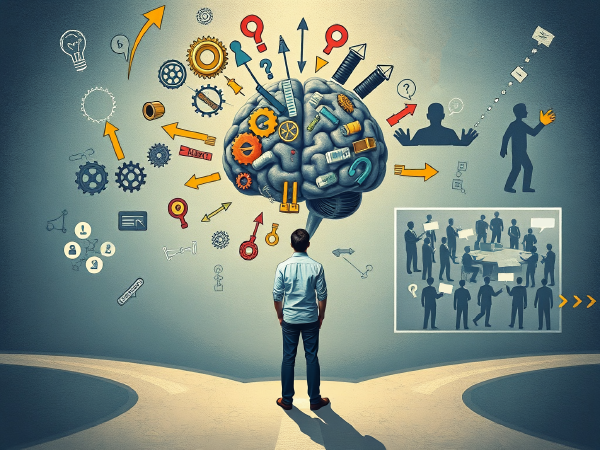
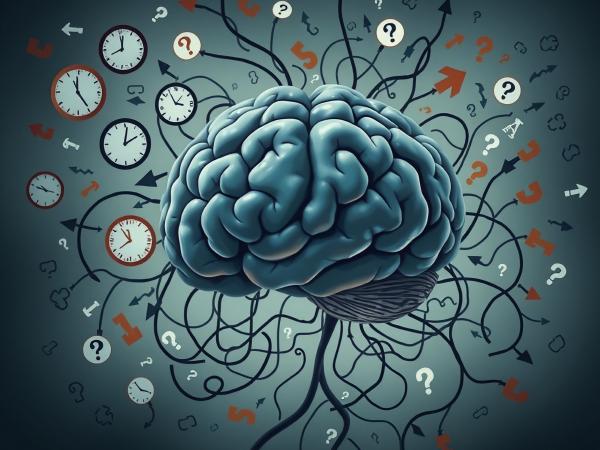
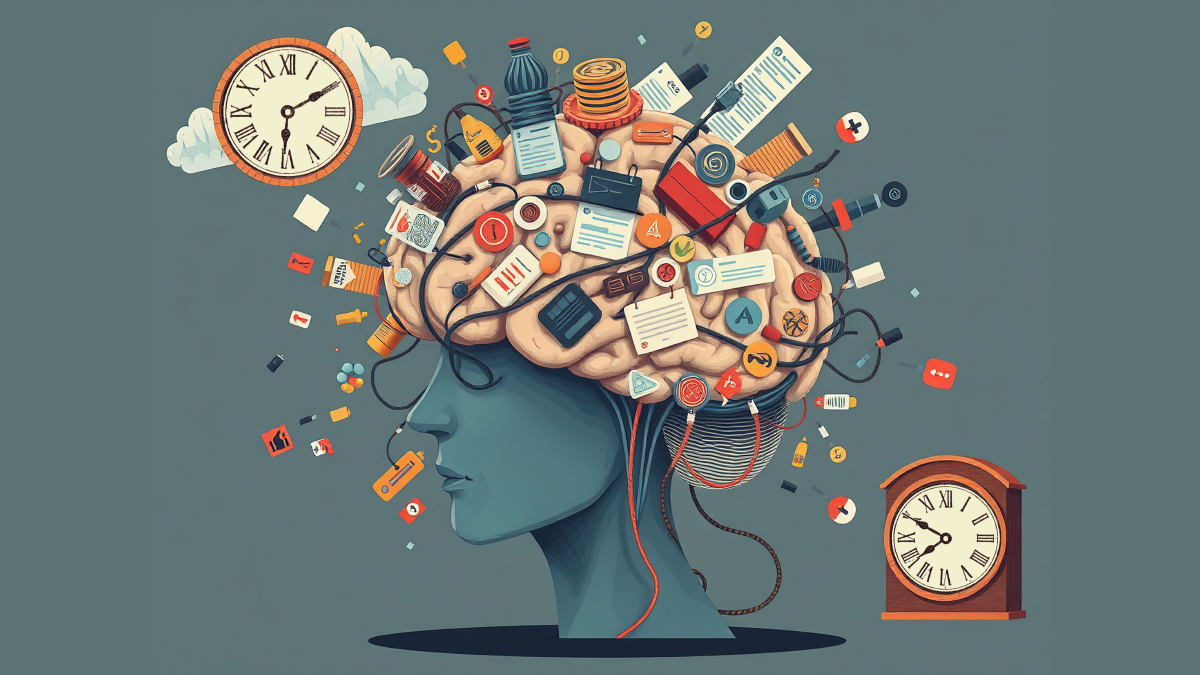
The contemporary human experience is defined by an unprecedented volume of choice. From the moment of waking, the modern individual is confronted with a relentless cascade of decisions, a cognitive burden that our evolutionary ancestors, who faced a far more limited set of survival-critical choices, could scarcely have imagined. This barrage extends from the monumental, strategic business moves, life-altering medical options, long-term financial planning, to the seemingly trivial yet cumulatively taxing micro-decisions that saturate the digital landscape: which email to open first, which social media notification to acknowledge, which hyperlink to follow, which of a thousand consumer products to add to an online cart. The sheer quantity of these choices has created a state of perpetual cognitive demand, transforming the celebrated freedom of choice into a subtle form of tyranny.
This phenomenon is formally recognized in psychology as “choice overload,” also termed “overchoice” or the “paradox of choice”. The central paradox lies in the conflict between human desire and cognitive capacity. While individuals consistently express a preference for more options, believing it enhances their autonomy and chances of finding an optimal fit, an overabundance of choice often leads to debilitating psychological consequences, including decision paralysis, heightened anxiety, and post-choice regret. The cognitive effort required to evaluate an ever-expanding set of alternatives becomes overwhelming, often resulting in the decision-maker avoiding the choice altogether.
The foundational empirical demonstration of this effect is the now-classic “jam study” conducted by Sheena Iyengar and Mark Lepper. In an upscale grocery store, researchers set up a tasting booth that, on different days, offered either an extensive selection of 24 jam flavors or a limited selection of six. While the larger display attracted more initial interest, the results in actual purchasing behavior were starkly inverted. Of the consumers who stopped at the limited-selection booth, 30% went on to purchase a jar of jam. In contrast, a meager 3% of those who visited the extensive selection booth made a purchase. This finding demonstrates that a wider array of options can be demotivating and lead to a ten-fold decrease in purchasing, powerfully illustrating that “more” is not always “better.”
The digital age has amplified this paradox to an extreme degree. The architecture of the modern internet is a choice-overload engine. A single streaming service like Netflix may present a user with over 6,000 viewing options, while the social media ecosystem comprises more than 128 distinct platforms. This digital abundance far outstrips the human brain’s processing limits; research suggests that consumers can only effectively perceive and manage approximately seven different choices at any one time. The constant bombardment of options creates a state of cognitive overload, a low-level but persistent strain that has been observed to produce physiological stress responses, including increased heart rate and arterial constriction. This environment is not an accidental byproduct of technological progress but is, in many ways, an engineered feature of the modern economy. Consumer capitalism is predicated on the proliferation of choice, and digital marketing strategies, from time-bound promotions to one-click purchasing, are often designed to leverage the cognitive overload of consumers, provoking impulsive actions by reducing decision friction. Some business models explicitly bet on the likelihood that a cognitively fatigued consumer will make a less rational, more profitable purchase. Thus, the tyranny of small decisions is a systemic feature of our environment, creating a fundamental tension: the systems we inhabit actively deplete the very cognitive resources required to navigate them wisely.
Two Sides of the Same Coin: Ego Depletion and Decision Fatigue#
To fully comprehend the consequences of this modern burden of choice, it is essential to establish a clear conceptual framework that distinguishes between the underlying psychological mechanism and its observable experiential outcome. These two concepts, “ego depletion” and “decision fatigue,” are inextricably linked, representing two sides of the same cognitive coin.
Ego Depletion refers to the underlying psychological mechanism. It is the theoretical construction used to describe the process by which an individual’s capacity for self-control and volitional action diminishes following the exertion of that control. The term, coined by Roy Baumeister and his colleagues in homage to Freudian concepts of psychic energy, posits that acts of self-regulation, such as overriding impulses, managing emotions, or making deliberate choices, draw upon a common, and limited, internal resource. When this resource is expended, the individual enters a state of ego depletion, rendering subsequent acts of self-control more difficult.
Decision Fatigue, in contrast, is the experiential phenomenon or symptom that arises from this underlying mechanism. It is defined as the deteriorating quality of decisions made by an individual after a long session of decision-making. It is the state of mental exhaustion that results when the brain is overwhelmed by the volume or complexity of the choices it must confront. This fatigue manifests in a predictable pattern of behavioral changes, including increased impulsivity, a greater reliance on cognitive shortcuts, and a tendency to avoid or simplify choices.
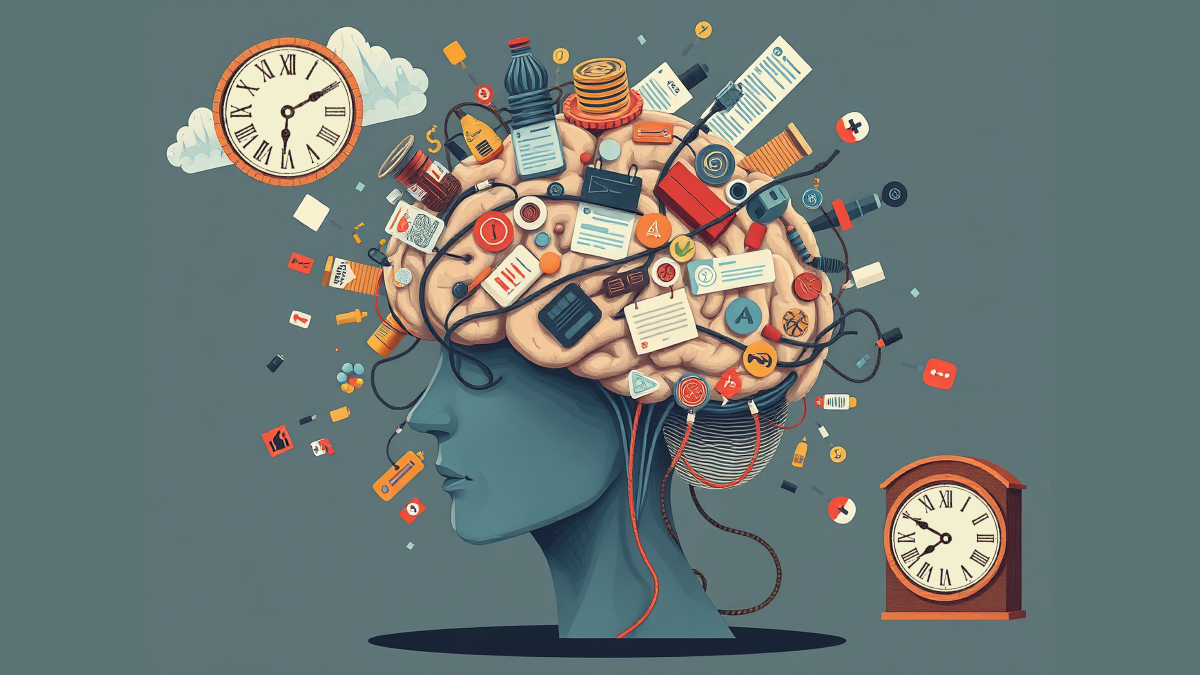
The relationship between these two concepts is causal and cumulative. Decision fatigue can be understood as the aggregate effect of sequential acts of ego depletion. Each choice, regardless of its magnitude, requires an act of self-regulation and thus contributes to the depletion of this central resource. A day filled with countless small decisions, what to wear, what to eat, how to respond to an email, acts as a series of small withdrawals from a finite cognitive bank account. As the day progresses, the account is drawn down, and the resulting state of decision fatigue makes it harder to fund the cognitive expenditure required for prudent, well-reasoned choices.
Thesis and Roadmap#
This article argues that the repeated exertion of self-control inherent in the act of decision-making depletes a key cognitive resource or, in a more contemporary view, triggers an adaptive shift in motivational priorities, a process known as ego depletion. This state culminates in decision fatigue, a predictable condition of cognitive exhaustion that systematically impairs judgment, increases impulsivity, fosters decision avoidance, and results in suboptimal outcomes across a wide range of personal and professional domains. The consequences of this process are not random failures of character but are the logical and foreseeable results of a fundamental limitation in human cognitive architecture.
To substantiate this argument, this article will trace the phenomenon from its theoretical foundations to its practical consequences and, ultimately, to its solutions. Section 2 will provide a rigorous examination of the scientific theories of ego depletion, navigating the significant debate surrounding the classic “strength model” and presenting the more nuanced, motivation-based “process model.” Section 3 will catalog the primary symptoms of decision fatigue, detailing how a depleted mind manifests its state through impulsive choices, cognitive errors, and decision avoidance. Section 4 will move from the laboratory to the real world, presenting compelling case studies of decision fatigue’s impact in high-stakes environments, including the courtroom, the hospital, and the executive suite. Finally, Section 5 will shift from diagnosis to prescription, offering a comprehensive framework of evidence-based strategies for mitigating decision fatigue at both the individual and systemic levels. The article will conclude by synthesizing these findings, arguing that acknowledging this cognitive limitation is a prerequisite for designing smarter personal habits, more humane organizations, and a more effective society.
The Mechanism: Ego Depletion as the Engine of Decision Fatigue#
The phenomenon of decision fatigue is rooted in a deeper psychological theory known as ego depletion. Understanding this mechanism is crucial for appreciating why the quality of our choices degrades over time. For decades, the dominant explanation was a simple and intuitive one: the strength model, which likened willpower to a muscle. However, this model has faced significant scientific challenges, leading to the development of more nuanced theories that focus on motivation and attention. This section will explore this scientific evolution, present a balanced account of the debate, and synthesize a unified understanding of the cognitive consequences that emerge regardless of the precise underlying mechanism.
The Strength Model and the “Willpower Muscle”: The Classic View#
The original and most influential theory of self-regulation is the Strength Model, developed primarily by social psychologist Roy Baumeister and his colleagues. Proposed in the late 1990s, this model offered a powerful and parsimonious explanation for the common experience of self-control failure. The core idea is that all acts of self-regulation, whether controlling thoughts, managing emotions, overriding impulses, or making deliberate choices, draw upon a single, common, and limited resource. This resource functions akin to a form of mental energy or strength.
The central metaphor of the model is that of a “willpower muscle”. Just as a physical muscle becomes fatigued after exertion, the “muscle” of self-control becomes tired after it is used. Each act of volition consumes a portion of this finite resource, leaving less available for subsequent challenges. This state of diminished self-regulatory capacity is termed ego depletion. An individual in a state of ego depletion is more likely to fail at subsequent tasks that require self-control, not because of a lack of desire or character, but because their capacity for exertion has been temporarily exhausted.
The foundational evidence for the strength model came from a series of now-famous experiments using a “sequential-task paradigm.” In this design, participants are first assigned to either a “depletion” condition, which requires an act of self-control, or a control condition, which does not. Subsequently, all participants perform a second, unrelated task that measures their persistence or self-control. The model predicts that those in depletion condition will perform worse on the second task. The classic demonstration of these involved participants who were instructed to resist the temptation of freshly baked cookies and chocolates while in a room filled with their aroma and instead eat radishes. Afterward, they were asked to work on a difficult, unsolvable puzzle. Compared to a control group that was allowed to eat the cookies and another that was not presented with food, the radish-eating group gave up on the puzzle significantly sooner. The researchers concluded that the initial act of resisting temptation had depleted their self-regulatory resources, leaving them with less willpower to persist in the face of frustration.
This model was further extended with the “glucose depletion hypothesis,” which attempted to identify a physiological substrate for this mental energy. Based on the premise that the brain is a high-energy organ and that glucose is its primary fuel, researchers proposed that acts of self-control literally consume blood glucose. Several studies appeared to support this, suggesting that difficult self-control tasks lowered blood glucose levels and that consuming a glucose drink could counteract the effects of ego depletion, restoring performance on subsequent tasks. This provided a compelling, if ultimately controversial, biological anchor for the strength model’s metaphorical muscle.
The Scientific Debate: A Theory in Crisis?#
Despite its intuitive appeal and the hundreds of studies that initially seemed to support it, the strength model of ego depletion has become a central case study in psychology’s replication crisis. Over the past decade, the theory has faced an “existential threat” as rigorous re-examinations of the evidence have called its foundational claims into question. This scientific debate is not a simple refutation but rather a complex and necessary process of self-correction that has reshaped the field’s understanding of self-control.
The first major challenge came from sophisticated meta-analyses that re-examined the vast body of published ego depletion studies. In 2014, Evan Carter and Michael McCullough applied advanced statistical techniques to correct for “small-study effects,” a pattern where studies with smaller sample sizes tend to report larger effects, often a sign of publication bias (the tendency for journals to publish positive, significant results while negative or null results remain unpublished). Their analysis of a previous meta-analysis found very strong signals of such bias. After correcting it, they concluded that the true ego depletion effect was statistically indistinguishable from zero. This suggested that the seemingly robust evidence for the strength model may have been an illusion created by a biased scientific record.
This statistical critique was followed by a direct empirical challenge. In 2016, a large-scale, multi-lab Registered Replication Report (RRR) was published, involving 23 laboratories and over 2,000 participants. The study was pre-registered, meaning the methodology and analysis plan were peer-reviewed and published before the data were collected, a procedure designed to prevent publication bias and questionable research practices. The RRR attempted to replicate a standard ego depletion effect using a computerized task. The result was a decisive failure: the study found no reliable evidence supporting the ego depletion effect, with performance on the second self-control task being no different between the depletion and control conditions.
Proponents of the strength model, including Baumeister himself, mounted a defense, arguing that the RRR was methodologically flawed. They contended that the specific task chosen to induce depletion was a “new, mostly untested” procedure that may not have been effective at depleting self-control resources. This highlights a more fundamental critique of the ego depletion literature: the lack of a clear, consistent operational definition of “self-control”. Tasks used to induce depletion have ranged from suppressing emotions and resisting temptations to solving math problems and even balancing on one leg, often with circular logic justifying their use (i.e., the task is depleting because it has been shown to cause depletion in the past). Without a precise and falsifiable definition of what constitutes an act of self-control, it becomes difficult to design a definitive test of the theory.
Further complicating the picture is the low statistical power of many of the original studies. The success rate for replicating social psychology studies of this type is estimated to be less than 25%, in large part because the original studies were often “underpowered,” meaning they used sample sizes too small to reliably detect a real effect if one existed. While many early papers presented a series of successful experiments, it has been acknowledged that these often did not report the studies that “did not work,” a practice that, while common at the time, contributes to an inflated and unreliable body of evidence.
The culmination of these critiques has led to a broad consensus that the simple, resource-based strength model is, at best, an oversimplification and, at worst, an unsupported theory. The idea of a finite pool of “willpower energy” that is literally consumed like fuel is no longer a tenable scientific position. However, this does not mean the underlying phenomenon, that self-control wanes over time and that making many decisions leads to poorer subsequent choices, is not real. Instead, it has spurred the development of alternative models that can account for this observable reality without relying on a flawed metaphor.
The Process Model: A Shift in Motivation#
As the limitations of the strength model became apparent, a more contemporary and nuanced alternative emerged: the Process Model of ego depletion. This model, developed by Michael Inzlicht and Brandon Schmeichel, reframes the experience of depletion not as a failure of capacity but as a functional and adaptive shift in motivation and attention. It asks a different question: not “What resource has been used up?” but “Why does the brain choose to stop exerting effort?”
The core proposition of the process model is that initial acts of self-control do not drain a finite resource but instead trigger a fundamental change in an individual’s cognitive priorities. This change occurs along two interdependent dimensions:
- A Shift in Motivational Orientation: After engaging in an effortful “have-to” task that requires overriding one’s impulses, motivation naturally shifts away from further deliberative control and toward activities that are more immediately rewarding, interesting, and gratifying. The brain essentially signals that it is time to switch from a state of labor to a state of leisure. It is not that the individual cannot exert more self-control, but that they become less willing to do so. The desire to “go with my gut” or seek gratification becomes stronger than the motivation to continue striving toward a distant goal. This aligns with findings that incentives, such as money or altruistic appeals, can often overcome the effects of depletion, suggesting the issue is one of motivation, not a lack of energetic capacity.
- A Shift in Attentional Focus: Simultaneously, the process of cognitive monitoring changes. The brain becomes less attentive to cues that signal a conflict or a need for control (e.g., the discrepancy between one’s current behavior and a long-term goal). Instead, attention becomes more narrowly focused on cues that signal reward. A person trying to stick to a diet might, after a long day of effortful work, not only feel more motivated to eat cake (a motivational shift) but also become less aware of the internal conflict signals related to their health goals and more acutely aware of the rewarding sight and smell of the cake (an attentional shift).
In this view, ego depletion is not a system failure but a rational reallocation of cognitive resources. It is an adaptive mechanism that helps balance the need for goal-directed, effortful labor with the equally important need for exploration and the pursuit of rewarding activities. The feeling of fatigue or depletion is the brain’s signal that it is time to make this shift. The process model thus sacrifices the simple elegance of the “willpower muscle” metaphor for a more precise and psychologically plausible account of how the brain manages the costs and benefits of cognitive effort over time.
A Unified Cognitive Account: The Undisputed Consequences#
While the scientific debate over the precise mechanism of ego depletion continues, there is broad agreement on the downstream consequences of a state of mental exertion induced by repeated decision-making. Whether this state is caused by a literal resource drain or a strategic motivational shift, the resulting cognitive and behavioral outcomes are consistent and predictable. This unified account provides a solid foundation for understanding the symptoms of decision fatigue.
Impoverished Executive Function: The act of making deliberate choices is a quintessential executive function, a set of higher-order cognitive processes managed primarily by the prefrontal cortex. These functions include planning, prioritization, working memory, impulse control, and cognitive flexibility. Decision fatigue directly taxes this system. As the brain becomes fatigued, activity in key areas like the lateral prefrontal cortex and the anterior cingulate cortex (linked to perseverance) can decrease. This leads to a measurable decline in the capacity for careful deliberation, a reduced ability to initiate and sustain attention on difficult tasks, and a weakened ability to inhibit impulsive responses. This impairment is particularly challenging for individuals with conditions like ADHD, where executive functions are already taxed, amplifying the effects of decision fatigue.
The Rise of System One: This degradation of executive function leads to a predictable shift in thinking style, best understood through the dual-process theory popularized by Nobel laureate Daniel Kahneman. The theory posits two modes of thought: “System two,” which is slow, deliberate, analytical, and effortful, and “System one,” which is fast, automatic, intuitive, and heuristic-based. System Two is responsible for complex decision-making and is heavily reliant on executive functions. When these functions are impoverished by fatigue, the brain defaults to the less effortful System One. Acting as a “cognitive miser,” the brain conserves its limited processing capacity by relying on mental shortcuts, biases, and simple rules of thumb rather than engaging in the demanding work of weighing all options and consequences.
The Aversion to Effort: A core consequence of this state is a pronounced aversion to cognitive effort. A mentally fatigued individual becomes reluctant to engage in complex trade-offs, where a choice involves weighing positive and negative elements of multiple options. This leads to a strong preference for the path of least resistance. This can manifest in several ways: defaulting to the status quo option because it requires no action, deferring the decision to a later time (procrastination) to avoid the immediate cognitive cost, or radically simplifying the choice by focusing on a single, salient attribute instead of conducting a thorough evaluation. This aversion is not laziness but a strategic, if often subconscious, attempt to conserve what feels like a dwindling cognitive reserve.
The scientific journey from the simple strength model to the more complex process model represents a significant evolution in our understanding of self-control. It reflects a broader shift in psychology from intuitive metaphors to more precise, information-processing accounts of the mind. The initial “willpower muscle” concept was powerful because it was simple and generated a vast research program. However, that very simplicity made it vulnerable to the rigors of scientific self-correction. The replication crisis forced the field to confront methodological weaknesses and publication bias, paving the way for more nuanced theories that incorporate key principles of modern cognitive science, such as motivation, attention, and resource allocation. The story of ego depletion is therefore not a simple tale of a theory being proven “wrong,” but a compelling example of how science refines its understanding, moving from a resource-based explanation to a more sophisticated account of how the brain strategically manages cognitive effort in response to shifting priorities and rewards.
The Symptom: How Decision Fatigue Manifests in Choice#
When the underlying mechanism of ego depletion takes hold, the resulting state of decision fatigue produces a consistent and observable suite of behavioral symptoms. These are not random errors in judgment but rather a coherent pattern of cognitive and behavioral adaptations aimed at conserving mental energy. A decision-fatigued individual’s choices become systematically different from those they would make in a rested state. These symptoms can be broadly categorized into three domains: a shift toward impulsive over prudence, an increased reliance on cognitive shortcuts, and a preference for decision avoidance and conservation. Understanding these manifestations is the first step toward recognizing and managing their impact.
Impulsivity Over Prudence#
The most pronounced symptom of decision fatigue is a breakdown in impulse control and a diminished capacity for delayed gratification. Executive functions, managed by the prefrontal cortex, are responsible for overriding immediate desires in the service of long-term goals. When this system is fatigued, the balance of power shifts toward more primitive brain regions that favor immediate rewards.
Consumer & Health Choices: This shift is starkly evident in everyday consumer behavior. The classic example is the after-work trip to the supermarket. After a day filled with professional and personal decisions, a shopper’s self-regulatory capacity is at a low ebb. This depleted state makes them highly susceptible to impulse purchases. Retailers have long understood this phenomenon, which is why high-margin, low-nutrition items like candy, soda, and magazines are strategically placed at the checkout counter, the final decision point for a cognitively exhausted consumer. The mental energy required to say “no” to a tempting chocolate bar is simply less available after an hour of making hundreds of trade-off decisions about price, brand, and nutritional value throughout the store. This same dynamic applies to health choices more broadly. When mentally tired, an individual is far more likely to opt for the quick, easy, and immediately gratifying choice of fast food over the more effortful but healthier option of preparing a home-cooked meal.
Intertemporal Choice: Decision fatigue fundamentally alters what economists call “intertemporal choice”, decisions that involve trade-offs between costs and benefits occurring at different times. A rested mind is better able to weigh the value of a larger, delayed reward against a smaller, immediate one. A fatigued mind, however, exhibits a strong “present bias,” systematically favoring immediate gratification. This explains why, at the end of a long day, the allure of scrolling through a social media feed (an immediate, low-effort reward) can easily overpower the intention to engage in a workout (a delayed, high-effort reward with long-term benefits). This bias extends to financial decisions, where decision fatigue can lead to impulsive online shopping or other forms of spending that undermine long-term savings goals. The depleted brain devalues future outcomes, making the “now” disproportionately compelling.
Cognitive Shortcuts and Errors#
As executive control wanes, the brain shifts its processing strategy from the deliberate, analytical System Two to the fast, intuitive System one. This reliance on cognitive shortcuts, or heuristics, is an efficient way to reduce mental effort, but it comes at the cost of increased errors, biases, and a decline in the quality of judgment.
Heuristic Reliance: Even highly trained experts are not immune to this effect. The most famous example remains the study of judicial parole decisions, where judges were found to increasingly rely on the simple heuristic of denying parole as a session progressed, effectively defaulting to the “safer” status quo option when mentally taxed. A similar pattern has been observed in medicine. A study of primary care physicians found that they were significantly more likely to prescribe unnecessary antibiotics for acute respiratory infections later in their clinical sessions. The prescription rate climbed steadily throughout the morning and afternoon shifts. This behavior is not driven by a lack of knowledge; physicians know that antibiotics are ineffective for viral infections. Rather, it represents a cognitive shortcut. Explaining to a patient why an antibiotic is not needed is a cognitively demanding task that requires time, effort, and patient education. Writing a prescription, by contrast, is a quick, easy action that satisfies the patient’s expectation and ends the encounter efficiently. When fatigued, doctors are more likely to choose the path of least cognitive resistance.
Moral Compromise: The capacity for ethical behavior also appears to rely on the same limited self-regulatory resources. Research has demonstrated a link between ego depletion and a greater likelihood of engaging in dishonest and unethical behavior. When cognitive resources are taxed, individuals have less mental capacity available to resist the temptation to cheat for personal gain or to act in a selfish manner. The effort required to adhere to moral principles, to override self-interest for the sake of fairness or honesty, is diminished in a state of decision fatigue. This suggests that moral lapses may sometimes be less a matter of flawed character and more a matter of depleted cognitive control.
Decision Avoidance and Conservation#
The third major category of symptoms involves a strategic retreat from the act of decision-making itself. When the perceived cognitive cost of choosing becomes too high, the brain employs several tactics to conserve its remaining resources by avoiding, deferring, or oversimplifying the choice.
Status Quo Bias: One of the most powerful and pervasive cognitive biases is the preference for the current situation, or the status quo. For a decision-fatigued brain, the status quo bias is an invaluable energy-saving tool because it allows one to “choose” without having to engage in the effort of deliberation. Sticking with the default option, whether it’s the pre-checked box on a software installation, the incumbent provider for a utility service, or the factory settings on a new device, requires no mental expenditure. Neuroimaging studies have provided a potential basis for this, suggesting that overcoming the status quo bias requires active engagement of the prefrontal cortex to override signals from deeper brain structures like the subthalamic nucleus. When the prefrontal cortex is fatigued, the default option is more likely to prevail. This makes the design of defaults critically important, as they often become the de facto choice for a large number of cognitively burdened individuals.
Decision Deferral (Procrastination): The familiar refrain, “I’ll decide tomorrow,” is a direct behavioral manifestation of decision fatigue. Procrastination is the act of pushing the cognitive cost of a decision into the future. When faced with a choice that feels overwhelming or complex, and without the mental resources to engage with it effectively, deferral becomes the default strategy. This can create a vicious cycle, as a backlog of deferred decisions can increase overall stress and cognitive load, making future decision-making even more difficult.
Simplification: When a choice cannot be avoided or deferred, a final conservation strategy is to radically simplify the decision-making process. Instead of engaging in the complex, multi-attribute trade-offs that characterize optimal decision-making, a depleted individual will often base their choice on a single, easily evaluated, and salient factor. A consumer choosing a new camera, for example, might ignore complex specifications and simply choose the one with the highest megapixel count or the lowest price. A manager hiring a new employee might over-weigh a single attribute, like the prestige of the candidate’s university, rather than conducting a holistic evaluation of their skills and experience. This simplification reduces the cognitive load but significantly increases the risk of making a suboptimal choice.
These seemingly disparate symptoms, impulsiveness, reliance on heuristics, and decision avoidance, are not a random collection of cognitive failures. They represent a coherent and predictable suite of “energy-saving” strategies that the brain deploys when it perceives its cognitive resources to be running low. The underlying logic is one of resource conservation. Impulsive choices bypass the effortful calculation of long-term value. Heuristics and the status quo bias eliminate the need for complex deliberation. Procrastination defers the cognitive expenditure to a later time. Understood in this light, decision fatigue is not a sign of the brain “breaking” but of it strategically shifting its operating mode from one that prioritizes optimality to one that prioritizes efficiency. This shift is a logical adaptation to a state of perceived cognitive scarcity, but it carries a high cost in the quality and prudence of our choices.
High-Stakes Environments: Decision Fatigue in the Wild#
While the symptoms of decision fatigue are readily observable in everyday life, its most profound and troubling consequences emerge in high-stakes professional environments where the quality of judgment can have life-altering implications. In fields such as law, medicine, and executive leadership, the structure of the work itself, characterized by a high volume of sequential, cognitively demanding decisions, creates a perfect storm for depletion. The evidence from these domains demonstrates unequivocally that decision fatigue is not a mere laboratory curiosity but a powerful and dangerous force that can warp the judgment of even the most highly trained and dedicated experts.
The Courtroom: The “Hungry Judge Effect”#
Perhaps the most striking and widely cited real-world demonstration of decision fatigue comes from a landmark 2011 study of judicial rulings by researchers Shai Danziger, Jonathan Levav, and Liora Avnaim-Pesso. The study’s findings were so dramatic that they gave rise to the popular moniker, the “hungry judge effect,” a potent illustration of how extraneous factors can influence matters of justice and liberty.
The Study: The research team conducted a meticulous analysis of 1,112 parole board decisions made by eight experienced judges in Israel over a 10-month period. The researchers tracked the precise time of each ruling and, crucially, noted its position relative to the judges’ two scheduled daily food breaks, a mid-morning snack and a lunch break. These breaks naturally segmented the workday into three distinct “decision sessions”.
The Shocking Finding: The analysis revealed a startling pattern. The probability of a judge granting a prisoner’s request for parole was highest at the beginning of each session, starting at approximately 65%. However, as the session progressed and the judges ruled on more cases, the likelihood of a favorable ruling steadily and dramatically declined, dropping to nearly zero by the end of the session. The most critical finding was what happened after a break: immediately following a snack or lunch, the parole grant rate abruptly reset to its initial high of around 65%, only to begin its downward trajectory once again. This pattern was held even after the researchers statistically controlled for the legal attributes of the cases, such as the severity of the crime, the time served, and the prisoner’s prior record.
The Interpretation: The authors concluded that this was a powerful real-world demonstration of decision fatigue. The act of making repeated, difficult, and high-stakes decisions depleted the judges’ mental resources. As they became more cognitively fatigued, they appeared to default to the simpler, safer, and less effortful decision: denying parole. Granting parole is a cognitively complex act; it requires the judge to accept a potential risk and actively change the prisoner’s status. Denying parole, by contrast, maintains the status quo and avoids the risk of a released prisoner reoffending. For a depleted mind, the path of least resistance was to say “no.”
Controversy and Nuance: It is important to note that this influential study is not without its critics. Subsequent analyses have argued that the original study may have overlooked confounding variables. For instance, it has been suggested that the ordering of cases may not have been truly random, with cases represented by an attorney potentially being heard at specific times, or that judges might plan their sessions to finish certain types of cases before a break. The original authors provided counter-analyses to address some of these points. Furthermore, more recent studies examining judicial decisions in other contexts, such as pretrial arraignments, have found more modest or inconsistent effects of time-of-day, suggesting that the magnitude of the “hungry judge effect” may be highly context-dependent. Despite these debates, the Danziger et al. study remains a seminal piece of evidence, vividly illustrating the potential for cognitive depletion to impact even the most solemn of human judgments.
The Hospital: Clinical Judgment Under Strain#
The medical profession is another domain where the “toxic triad” of high-volume, high-load, and high-consequence decisions is ever-present. The relentless pace of modern healthcare, particularly in settings like emergency departments and primary care clinics, places an immense cognitive burden on clinicians, and the evidence shows that decision fatigue can significantly compromise patient care.
Diagnostic Accuracy: Diagnostic error is a pervasive and dangerous problem in medicine, with estimates suggesting that diagnoses are incorrect in 10-15% of cases and that these errors are a leading cause of patient harm and death. While the causes of these errors are multifactorial, cognitive factors related to fatigue are a major contributor. The long shifts and high volume of decisions common in medical practice lead to profound mental exhaustion, which is known to impair clinical judgment. The link between fatigue and cognitive impairment is stark: research has shown that after 24 hours of continuous wakefulness, a duration not uncommon for medical residents in the past, a physician’s cognitive performance can be comparable to or worse than that of someone with a blood alcohol concentration of 0.10%, which is above the legal limit for intoxication in most places. In this state, the ability to notice subtle signs, process complex information, and make sound judgments is severely compromised.
Prescription Errors: Decision fatigue also manifests in clinicians’ prescribing patterns. A notable study published in JAMA Internal Medicine examined nearly 22,000 patient visits for acute respiratory infections. The researchers found that primary care doctors were 26% more likely to prescribe unnecessary antibiotics in the fourth hour of a clinical shift compared to the first hour. As the day wore on, physicians increasingly defaulted to the easier, though clinically inappropriate, decision to write a prescription rather than engaging in the more cognitively demanding task of educating the patient on why an antibiotic was not indicated for their viral illness. This pattern points directly to the depletion of the mental resources needed to resist the path of least resistance.
Surgical Decisions: The influence of decision fatigue extends even to critical choices about surgical intervention. One study analyzing surgeons’ decisions found a significant correlation between the time of day and the likelihood of scheduling an operation. Patients who had their consultation toward the end of the surgeon’s shift were 33% less likely to be scheduled for surgery compared to those seen earlier in the day. The researchers suggested that this pattern was due to decision fatigue, with tired surgeons increasingly defaulting to the status quo of non-intervention, a less risky and cognitively simpler choice than committing to a major procedure.
The Executive Suite: Conserving the Sharpest Arrow#
While courtrooms and hospitals provide cautionary tales, the world of executive leadership offers examples of how high-performers intuitively grasp the concept of decision fatigue and proactively manage it as a critical strategic resource. Their behaviors reveal an implicit understanding that willpower is a finite commodity that must be conserved for the decisions that matter most.
The “Uniform” Strategy: A widely discussed example of this principle in action is the adoption of a personal “uniform” by several prominent leaders. Former U.S. President Barack Obama, Apple co-founder Steve Jobs, and Meta CEO Mark Zuckerberg are all known for having worn the same or very similar outfits each day. Obama famously stated, “I don’t want to make decisions about what I’m eating or wearing, because I have too many other decisions to make”.
The Underlying Principle: This practice should not be mistaken for an eccentric personal quirk. It is a deliberate and highly effective strategy of cognitive offloading. By creating rigid routines and automating trivial, low-stakes decisions, these leaders effectively eliminate a source of daily cognitive drain. They understand that every choice, no matter how small, makes a withdrawal from their limited account of mental energy. By saving that energy, by not spending it on clothing, meals, or other minor matters, they ensure that they have a maximal reserve of cognitive capacity available for the complex, high-stakes, and often ambiguous decisions that define their roles. They are, in essence, applying a personal form of choice architecture to their own lives, preserving their sharpest mental “arrows” for the most critical targets.
The evidence from these diverse, high-stakes environments paints a coherent picture. Decision fatigue is a systemic risk in any domain that combines a high volume of sequential decisions, a significant cognitive load for each decision, and severe consequences for error. The courtroom, the hospital, and the C-suite all exhibit this “toxic triad.” The consistent pattern observed across these fields, a tendency to default toward simpler, safer, status-quo options as mental exertion accumulates, suggests that the problem often lies not in the character or dedication of the individual decision-maker, but in the very structure and design of their work. This realization shifts the focus of potential solutions away from simply exhorting individuals to “try harder” and toward the more promising and sustainable approach of redesigning systems and workflows to mitigate the inevitable effects of this fundamental cognitive limitation.
Mitigating the Drain: Strategies for Individuals and Systems#
Recognizing the pervasive impact of decision fatigue is the first step; the second is to implement effective strategies to combat it. Mitigation efforts can be conceptualized along a continuum, from reactive measures that aim to restore depleted resources to proactive measures that seek to conserve those resources in the first place. The most effective approaches are often systemic, focusing on redesigning environments to prevent cognitive drain rather than merely treating its symptoms. This section provides a comprehensive framework of evidence-based strategies, categorized for both personal application and organizational intervention.
Personal Strategies to Replenish and Conserve#
At the individual level, managing decision fatigue involves a two-pronged approach: actively replenishing the biological foundations of cognitive energy and strategically conserving that energy by reducing the number of unnecessary decisions.
Cognitive Offloading: Automating the Trivial#
The most powerful personal strategy for conserving mental energy is to make fewer decisions. This is achieved through cognitive offloading, the act of delegating mental tasks to external systems, including habits, routines, and technology. By putting recurring choices on autopilot, an individual can free up the prefrontal cortex for more demanding tasks.
- Routines and Habits: Establishing fixed routines for daily activities is a cornerstone of this approach. A consistent morning routine (e.g., waking at the same time, eating the same breakfast, exercising) eliminates a cascade of small decisions at the start of the day, a time when cognitive resources can be preserved for more important work. Similarly, weekly meal planning or creating a “capsule wardrobe” of limited, interchangeable clothing items (the principle behind the “work uniform” of leaders like Steve Jobs) drastically reduces the daily cognitive load associated with food and attire choices.
- Pre-commitment and Technology: Individuals can also use tools to make decisions in advance. Laying out clothes the night before, packing lunch, or creating a detailed to-do list for the next day offloads future decisions into a single, planned session. Technology can further aid this process; scheduling apps, automated bill payments, and subscription services for household staples all serve to reduce the “decision clutter” in daily life.
Fueling the Mind: The Biology of Restoration#
Cognitive endurance is not purely a psychological phenomenon; it is deeply rooted in physiology. Maintaining the brain’s capacity for effortful thought requires deliberate attention to nutrition and sleep.
- Nutrition: While the simple “glucose as fuel” model of willpower is now contested, the link between stable blood sugar and stable cognitive function is well-established. A diet rich in processed foods, sugar, and stimulants can lead to energy spikes and crashes that impair mental clarity. Conversely, a balanced, anti-inflammatory diet focused on whole foods, lean proteins, and healthy fats helps to maintain steady energy levels throughout the day, providing a more resilient foundation for decision-making. Adequate hydration is also critical, as even mild dehydration can lead to brain fog and diminished focus.
- Sleep: Sleep is perhaps the single most critical factor for restoring executive function. During sleep, particularly deep NREM and REM sleep, the brain consolidates memories, clears metabolic waste, and replenishes the neural circuits necessary for attention, emotional regulation, and impulse control. Chronic sleep deprivation severely impairs the prefrontal cortex, leading to more rigid thinking, heightened emotional reactivity, and a drastically reduced ability to resist temptation. Adhering to good sleep hygiene, maintaining a consistent schedule, creating a dark and quiet environment, and avoiding stimulants and screens before bed is, therefore, a non-negotiable prerequisite for robust decision-making capacity.
Strategic Scheduling: Working with Your Willpower#
This strategy involves intelligently designing the workday to align with the natural rhythms of cognitive energy. It acknowledges that willpower is not constant throughout the day and sequences tasks accordingly.
- Prioritize the Important: The most consistently recommended tactic is to tackle the most important, cognitively demanding, and decision-heavy tasks early in the day. Mental resources are typically at their peak in the morning, after a night of restorative sleep. Scheduling critical meetings, strategic planning sessions, or creative work for these “willpower hours” leads to better outcomes, while deferring more routine, low-stakes tasks to the afternoon when energy levels are naturally lower.
- Batch Similar Tasks: Constant context-switching is a significant source of cognitive drain. Every time an individual shifts from one type of task to another (e.g., from writing a report to answering an email to joining a call), their brain incurs a “switching cost.” A more efficient approach is to “batch” similar tasks together. For example, dedicating a specific, limited block of time to answering all emails at once, rather than responding to them as they arrive, minimizes interruptions and conserves the mental energy required for deep focus.
Systemic and Organizational Interventions#
While personal strategies are valuable, their effectiveness is limited if the surrounding environment is actively working to deplete cognitive resources. Therefore, the most impactful and scalable solutions are systemic, involving the deliberate design of processes, environments, and cultures to reduce the cognitive burden on everyone.
Choice Architecture: Designing for Better Decisions#
Coined by Richard Thaler and Cass Sunstein, choice architecture refers to the practice of organizing the context in which people make decisions to influence them toward better outcomes without restricting their freedom of choice.
- Defaults: The most powerful tool of choice architecture is the setting of defaults. Because decision-fatigued individuals have a strong tendency to stick with the status quo, making the optimal or recommended choice the default option can dramatically improve results. For example, making enrollment in a retirement savings plan the default (with an option to opt out) leads to far higher participation rates than requiring employees to actively opt in.
- Simplification and Curation: Organizations can actively combat choice overload by simplifying and curating the options they present to customers and employees. This can involve limiting the number of choices for a product or service, as demonstrated by the jam study. It can also involve grouping options into logical categories, using progressive disclosure to reveal information only as needed, and providing guided selling tools (like interactive quizzes or “Most Popular” labels) to help users navigate complex decisions with less cognitive friction.
Temporal Work Design: Structuring for Endurance#
This involves redesigning the structure and flow of the workday itself to align with human cognitive limitations.
- Breaks and Recovery: Organizations must recognize that breaks are not a luxury but a biological necessity for sustained performance. Research indicates that regular breaks are essential for recharging cognitive resources and maintaining focus. Progressive organizations are embedding this understanding into their culture by encouraging screen-free breaks, creating dedicated relaxation spaces, and even scheduling collective downtime into the calendar to prevent burnout.
- Meeting and Workflow Redesign: A culture of excessive meetings is a primary driver of organizational decision fatigue. Interventions include implementing “No Meeting Wednesdays,” enforcing clear agendas, and ensuring only essential personnel attend. Furthermore, standardizing routine workflows with checklists, templates, and automation reduces the number of trivial procedural decisions that employees must make each day, freeing up their cognitive capacity for higher-value work. Discouraging a culture of multitasking and instead promoting “focus blocks” for deep work can also significantly reduce the cognitive costs of constant attention-switching.
Fostering a Resilient Mindset#
The psychological context in which decisions are made matters. An individual’s beliefs about the nature of willpower can significantly mediate the effects of depletion.
- The Malleability of Willpower: Research by psychologist Carol Dweck and others has shown that individuals who hold a “growth mindset”, the belief that abilities are malleable and can be developed, are more resilient to challenges. This appears to apply to willpower as well. Studies suggest that people who believe willpower is a non-limited resource that can be strengthened are less likely to show performance declines after an initial self-control task. Their belief acts as a psychological buffer against the feeling of depletion.
- Cultivating a Growth Culture: Organizations can foster this resilient mindset by framing challenges as opportunities for learning and growth rather than as drains on a fixed resource. A culture that values mental energy, encourages proactive recovery, provides psychological support, and celebrates effort and persistence can help employees build the “mental toughness” needed to navigate demanding environments without succumbing to decision fatigue.
Ultimately, the most effective strategies for mitigating decision fatigue are proactive and systemic. While reactive measures like taking a break are necessary for restoration, proactive personal strategies like building routines are better because they conserve resources. The most powerful interventions, however, are systemic ones like choice architecture and intelligent work design. They prevent the cognitive drain from occurring at scale in the first place by fundamentally changing the environment. This shifts the burden from the individual, who must constantly fight against a depleting environment, to the organization, which has the responsibility to create a cognitively sustainable one. In such an environment, wise choices become the path of least resistance.
Conclusion: Designing a World for Wiser Choices#
The vast body of research on ego depletion and decision fatigue converges on a powerful and sobering conclusion: the capacity for rational, deliberate choice is a finite and fragile resource. The modern world, with its relentless demands and infinite options, places this resource under constant siege. The consequences, impaired judgment, increased impulsivity, and costly errors, are not personal failings but predictable outcomes of a fundamental mismatch between our cognitive architecture and the environment we have created. Acknowledging this limitation is not a sign of weakness; it is the first and most critical step toward building smarter habits, more effective organizations, and a more humane society.
A Recapitulation#
This article has traced the arc of this critical phenomenon. We began by establishing the contemporary context of choice overload, where an abundance of options paradoxically leads to cognitive paralysis. We then delved into the underlying mechanism of ego depletion, navigating the scientific evolution from the intuitive but contested “strength model” to the more nuanced “process model,” which reframes depletion as an adaptive shift in motivation and attention. Regardless of the precise mechanism, the cognitive consequences are clear: a state of mental exertion leads to impoverished executive function, a reliance on error-prone mental shortcuts, and a strong preference for the path of least resistance.
This depleted state manifests in a consistent suite of behavioral symptoms: impulsivity triumphs over prudence, leading to poor consumer and health choices; cognitive errors become more frequent as individuals default to simple heuristics; and decision avoidance, through procrastination or adherence to the status quo, becomes a primary strategy for conserving energy. The real-world impact of these symptoms is most starkly visible in high-stakes environments. We have seen how decision fatigue can lead judges to deny parole, doctors to prescribe unnecessary medications, and surgeons to defer operations, demonstrating that even the most rigorous training cannot render an expert immune to this fundamental cognitive vulnerability.
Final Synthesis: From Limitation to Strategy#
The ultimate implication of this body of research is a call for a paradigm shift in how we approach decision-making, moving from an idealized model of the rational actor to a more realistic and compassionate understanding of the “depleted decider.” Recognizing our cognitive limitations is the prerequisite for developing effective strategies to manage them.
For individuals, this means moving beyond a reliance on sheer willpower and instead embracing the discipline of cognitive offloading. The most successful people, as evidenced by the routines of leaders like Barack Obama, do not have more willpower; they simply must use it less often. They build systems, habits, routines, and pre-commitments that automate trivial choices, thereby conserving their finite mental energy for the decisions that truly matter. They understand that managing their biology through proper sleep and nutrition is not a luxury but a precondition for sound judgment.
For organizations, this understanding compels a move toward designing more humane and productive work environments. A culture that celebrates “always-on” hyper-connectivity and back-to-back meetings is a culture that systematically manufactures decision fatigue, leading to burnout, bottlenecks, and costly errors. The principles of choice architecture and temporal work design are not merely “nice-to-haves”; they are essential tools for creating cognitively sustainable workplaces. By simplifying processes, setting intelligent defaults, encouraging restorative breaks, and fostering a mindset of resilience, organizations can create conditions that make it easier for employees to perform at their best.
For society, this research challenges us to design systems that facilitate better judgment rather than exploiting a known cognitive vulnerability. From the structure of the justice system and the scheduling of medical shifts to the design of consumer financial products and digital interfaces, there is an urgent need to apply the principles of what might be called cognitive ergonomics: the deliberate design of our tasks, tools, and environments to align with the known capacities and limitations of the human brain. Just as physical ergonomics redesigns a factory to prevent physical strain and injury, cognitive ergonomics must redesign our choice environments to prevent the cognitive strain that leads to poor decisions.
Future Research#
While our understanding of decision fatigue has advanced significantly, critical questions remain. The path forward requires a commitment to more rigorous and ecologically valid research to refine our theories and test our interventions. Two areas are particularly crucial for future investigation:
- Neuroimaging Studies: Much of the evidence for ego depletion and decision fatigue remains behavioral. There is a pressing need for more research using neuroimaging techniques like fMRI and EEG to track the neural correlates of the depletion process in real time. Such studies could help adjudicate the debate between the strength and process models by identifying whether the process is characterized by a decrease in metabolic activity in control regions (as a resource model might predict) or by a shift in network dynamics, with increased activity in reward-related circuits and decreased activity in conflict-monitoring circuits (as a motivational model might predict).
- Large-Scale Field Experiments: The most compelling evidence for decision fatigue has come from observational field studies, but these are often susceptible to confounding variables. The future of the field lies in conducting large-scale, pre-registered field experiments that actively test the efficacy of various mitigation strategies in real-world settings. For example, randomized controlled trials in corporate or healthcare settings could compare the impact of different break structures, meeting schedules, or choice architecture interventions on objective measures of performance, error rates, and employee well-being. This research is essential for moving from theory to evidence-based policy and practice, providing organizations with a clear understanding of the return on investment for creating cognitively ergonomic environments.
In an age of accelerating complexity and information overload, the ability to make wise and timely decisions is more critical than ever. The science of decision fatigue teaches us that this ability is not an inexhaustible resource but a precious one that must be carefully managed and protected. By embracing this fundamental truth, we can begin the vital work of redesigning our lives, our organizations, and our world to support, rather than subvert, our capacity for judgment.
References#
- Baumeister, R. F., Bratslavsky, E., Muraven, M., & Tice, D. M. (1998). Ego depletion: is the active self a limited resource? Journal of personality and social psychology, 74(5), 1252-1265.
- Muraven, M., & Baumeister, R. F. (2000). Self-regulation and depletion of limited resources: Does self-control resemble a muscle? Psychological Bulletin, 126(2), 247-259.
- Gailliot, M. T., Baumeister, R. F., DeWall, C. N., Maner, J. K., Plant, E. A., Tice, D. M., Brewer, L. E., & Schmeichel, B. J. (2007). Self-control relies on glucose as a limited energy source: willpower is more than a metaphor. Journal of personality and social psychology, 92(2), 325-336.
- Inzlicht, M., & Schmeichel, B. J. (2012). What Is Ego Depletion? Toward a Mechanistic Revision of the Resource Model of Self-Control. Perspectives on psychological science: a journal of the Association for Psychological Science, 7(5), 450-463.
- Iyengar, S. S., & Lepper, M. R. (2000). When choice is demotivating: Can one desire too much of a good thing? Journal of Personality and Social Psychology, 79(6), 995-1006.
- Englert, C., & Bertrams, A. (2021). Again, No Evidence for or Against the Existence of Ego Depletion: Opinion on “A Multi-Site Preregistered Paradigmatic Test of the Ego Depletion Effect”. Frontiers in Human Neuroscience, 15, 658890.
- Dang, J., Barker, P., Baumert, A., Bentvelzen, M., Berkman, E., Buchholz, N., Buczny, J., Chen, Z., De Cristofaro, V., de Vries, L., Dewitte, S., Giacomantonio, M., Gong, R., Homan, M., Imhoff, R., Ismail, I., Jia, L., Kubiak, T., Lange, F., Li, D. Y., … Zinkernagel, A. (2021). A Multilab Replication of the Ego Depletion Effect. Social psychological and personality science, 12(1), 14-24.
- Baumeister R. F. (2003). Ego depletion and self-regulation failure: a resource model of self-control. Alcoholism, clinical and experimental research, 27(2), 281-284.
- Maranges, Heather & Baumeister, Roy. (2016). Self-Control and Ego Depletion.
- Chen, Daniel L. & Moskowitz, Tobias J. & Shue, Kelly, 2016. “Decision-Making Under the Gambler’s Fallacy: Evidence From Asylum Courts, Loan Officers, and Baseball Umpires,” TSE Working Papers 16-674, Toulouse School of Economics (TSE).
- Witteman, Cilia & Glöckner, Andreas (2010). Beyond dual-process models: A categorisation of processes underlying intuitive judgement and decision making. Thinking and Reasoning 16 (1):1-25.
- Junça, Ana & Almeida, Alexandra & Rebelo, Carla. (2022). The effect of telework on emotional exhaustion and task performance via work overload: the moderating role of self-leadership. International Journal of Manpower. 45. 10.1108/IJM-08-2022-0352.
- Glöckner, A. (2016). The irrational hungry judge effect revisited: Simulations reveal that the magnitude of the effect is overestimated. Judgment and Decision Making, 11, 601-610.
- Lebedev, A. V., Lövdén, M., Rosenthal, G., Feilding, A., Nutt, D. J., & Carhart-Harris, R. L. (2015). Finding the self by losing the self: Neural correlates of ego-dissolution under psilocybin. Human brain mapping, 36(8), 3137-3153.
- Petitet, P., Attaallah, B., Manohar, S. G., & Husain, M. (2021). The computational cost of active information sampling before decision-making under uncertainty. Nature human behaviour, 5(7), 935-946.
- Kim, S. Y., Lee, K. H., Jeon, J. E., Lee, H. Y., You, J. H., Shin, J., Seo, M. C., Seo, W. W., & Lee, Y. J. (2025). Reduced prefrontal activation during cognitive control under emotional interference in chronic insomnia disorder. Journal of Sleep Research, 34(3), e14383.
- Beshears, John, and F. Gino. “Leaders as Decision Architects: Structure Your Organization’s Work to Encourage Wise Choices.” Harvard Business Review 93, no. 5 (May 2015): 52-62.
- Englert, C. (2025). Self-control: A critical discussion of a key concept in sport and exercise psychology. Psychology of Sport and Exercise, 80, 102878.
- Lieder, F., & Griffiths, T. L. (2020). Resource-rational analysis: Understanding human cognition as the optimal use of limited computational resources. Behavioral and Brain Sciences, 43, e1. doi:10.1017/S0140525X1900061X
- Wood, W., Mazar, A., & Neal, D. T. (2022). Habits and Goals in Human Behavior: Separate but Interacting Systems. Perspectives on psychological science: a journal of the Association for Psychological Science, 17(2), 590-605. https://doi.org/10.1177/1745691621994226
- Mühlemann, N. S., Steffens, N. K., Ullrich, J., Haslam, S. A., & Jonas, K. (2022). Understanding responses to an organizational takeover: Introducing the social identity model of organizational change. Journal of personality and social psychology, 123(5), 1004-1023.
- Rollinson, D. C., Rathlev, N. K., Moss, M., Killiany, R., Sassower, K. C., Auerbach, S., & Fish, S. S. (2003). The effects of consecutive night shifts on neuropsychological performance of interns in the emergency department: a pilot study. Annals of emergency medicine, 41(3), 400-406.
- Torres, L. C., & Williams, J. H. (2022). Tired Judges? An Examination of the Effect of Decision Fatigue in Bail Proceedings. Criminal Justice and Behavior, 49(8), 1233-1251.
- Kahneman, D., Knetsch, J. L., & Thaler, R. H. (1990). Experimental Tests of the Endowment Effect and the Coase Theorem. Journal of Political Economy.
- Fiedler, S., & Glöckner, A. (2012). The Dynamics of Decision Making in Risky Choice: An Eye-Tracking Analysis. Frontiers in Psychology, 3, 335.
- Gallo, L., Gentile, D., Ruggiero, S., Botta, A., & Ventre, G. (2024). The human factor in phishing: Collecting and analyzing user behavior when reading emails. Computers & Security, 139, 103671.
- Münscher, Robert & Vetter, Max & Scheuerle, Thomas. (2016). A Review and Taxonomy of Choice Architecture Techniques. Journal of Behavioral Decision Making. 29. 511-524. 10.1002/bdm.1897.
- Vesperi, Walter & Melina, Anna Maria & Ventura, Marzia. (2023). Organizing decision-making process in public administration: the impact of knowledge visualization. European Conference on Knowledge Management. 24. 1391-1398. 10.34190/eckm.24.2.1761.
- Dubash, Roxanne & Bertenshaw, Claire & Ho, James. (2020). Decision fatigue in the emergency department. EMA - Emergency Medicine Australasia. 32. 1059-1061. 10.1111/1742-6723.13670.
- Sunstein, C.. (2020). Too Much Information: Understanding What You Don’t Want to Know. 10.7551/mitpress/12608.001.0001.
- Whelehan, D. F., McCarrick, C. A., & Ridgway, P. F. (2020). A systematic review of sleep deprivation and technical skill in surgery. The surgeon: journal of the Royal Colleges of Surgeons of Edinburgh and Ireland, 18(6), 375-384.