
Introduction: The Enduring Mystery of Emotion#
Emotion is a ubiquitous and profound aspect of human experience. It is the vibrant color in the tapestry of our daily lives, the driving force behind our most significant achievements and our deepest connections, and the silent arbiter of our decisions. Emotions shape how we perceive the world, remember the past, and imagine the future. They are, in many ways, the very essence of what it means to be alive and sentient. Yet, despite their familiarity and impact, emotions remain among the most challenging and enigmatic subjects in the scientific study of the mind and brain.
This challenge is encapsulated in what can be termed the “emotion paradox.” On one hand, people report vivid, intense, and subjectively distinct experiences of emotion. We feel the sharp sting of anger, the cold grip of fear, the warm glow of happiness, and the heavy weight of sadness, and we perceive these states in others with apparent ease. As psychologists, Fehr and Russell famously stated, “Everyone knows what an emotion is, until asked to give a definition.” This intuitive certainty has long suggested that discrete emotion categories like “anger” or “fear” are natural, fundamental kinds, biologically basic entities with unique and identifiable signatures in the body and brain. On the other hand, more than a century of scientific investigation has consistently failed to uncover these unique biological “fingerprints”. Studies seeking a one-to-one correspondence between a specific emotion category and a dedicated neural circuit or a consistent pattern of physiological response have yielded overwhelming evidence of variability and context-dependence. This persistent gap between subjective experience and objective measurement constitutes the central mystery that has animated and perplexed affective science for decades.
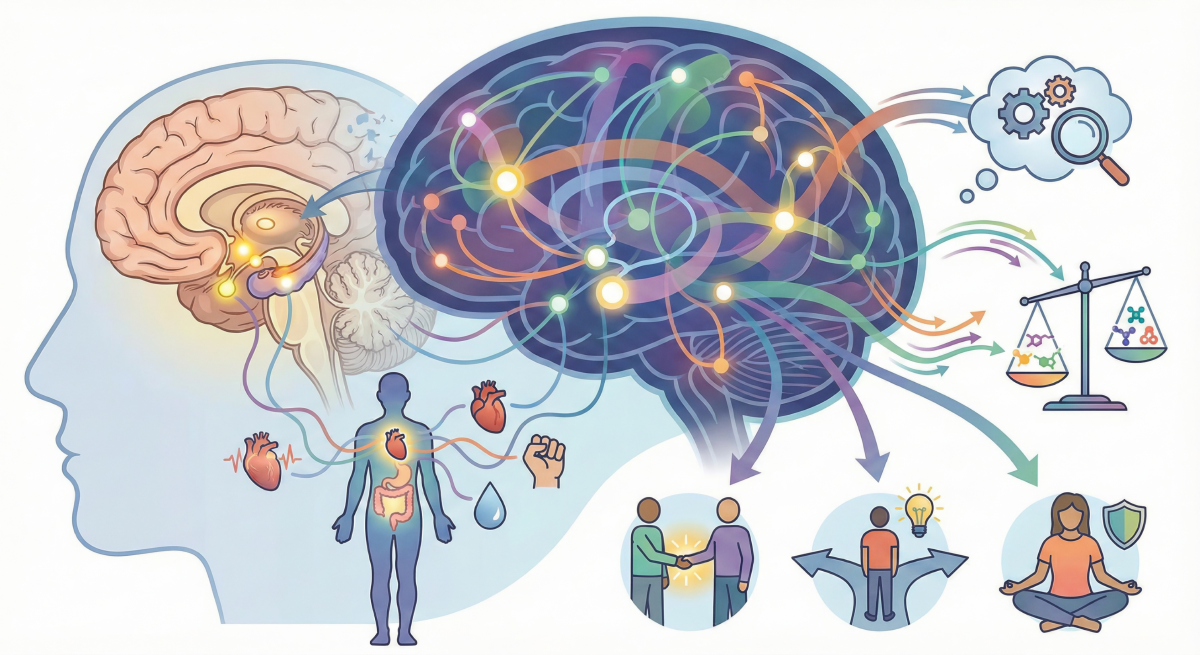
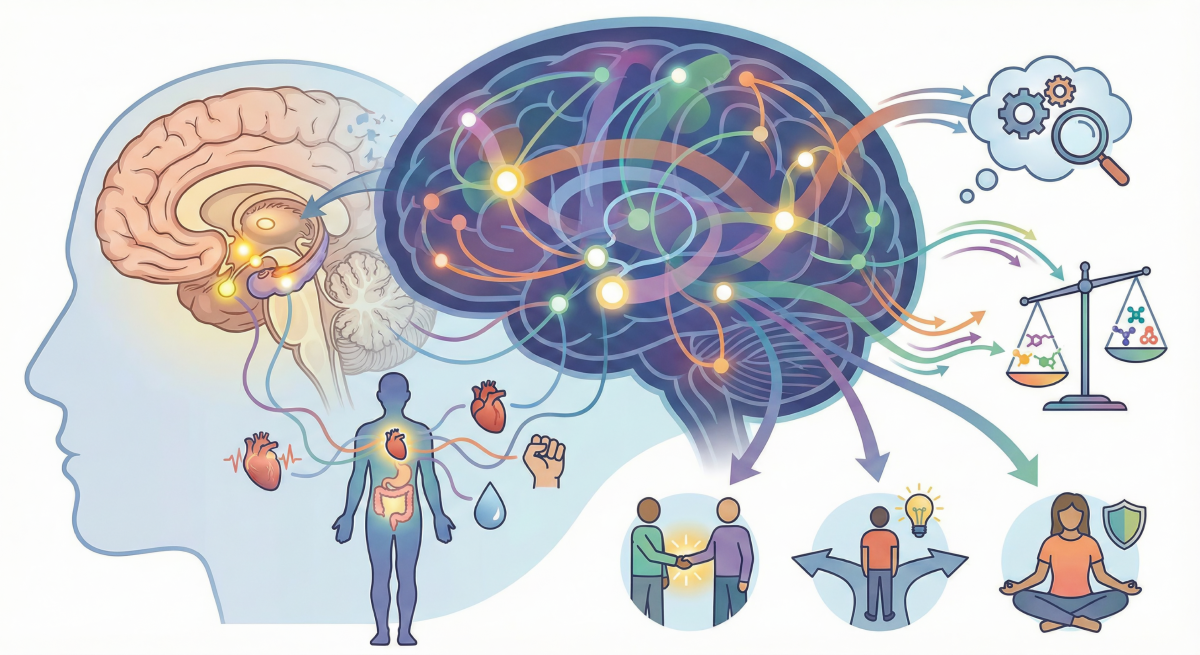
This article aims to provide a comprehensive synthesis of our current understanding of the neuroscience of emotion, charting a course through this complex and often contentious field. It will navigate the intellectual landscape of emotion science, tracing its trajectory from its earliest philosophical conceptualizations to the sophisticated neuroscientific models of today. The journey will proceed through several key stages. First, it will trace the historical evolution of emotion theories, examining the foundational debates in psychology that framed our initial questions about how feelings arise. Second, it will critically evaluate the significant psychological and cognitive models that have shaped the field, from body-centric theories to those that place cognition at the forefront. Third, it will delve into the contemporary scientific debate that defines the field today: the schism between theories that posit a set of biologically “basic” emotions and those that argue emotions are psychologically and neurally “constructed.” Fourth, this report will offer a detailed tour of the brain’s emotional architecture, moving beyond outdated, simplistic concepts like the “limbic system” to explore the functions of key brain regions and, crucially, their dynamic interactions within large-scale, distributed neural networks. Fifth, it will examine the neurochemical modulators, neurotransmitters, and hormones that tune these circuits and color our emotional lives.
Finally, and most importantly, this article will synthesize these multifaceted findings to illuminate their profound implications for behavioral science. By understanding the neural mechanisms of emotion, we gain powerful insights into the very nature of human behavior, including how we make decisions, navigate our social worlds, and maintain mental health. The goal is to present a coherent and nuanced narrative that bridges the gap between the brain and behavior, offering a modern perspective on the feeling brain.
The central thesis that will emerge from this synthesis is that emotion is not a primitive, reflexive, or vestigial process bubbling up from an “inner beast” to be controlled by a separate, rational mind. Instead, emotion is a sophisticated, predictive, and constructive process that is fundamentally intertwined with cognition. It represents a core function of the brain, enabling an organism to make meaning of its internal bodily sensations and the external sensory world. This meaning-making process is not merely reactive; it is predictive, constantly using past experiences to anticipate future needs and guide adaptive behavior in the service of survival and well-being. Understanding emotion, therefore, is not just about understanding feelings; it is about understanding the fundamental logic of the living brain.
A History of Ideas: The Shifting Landscape of Emotion Theory#
The scientific quest to understand emotion did not begin in a vacuum. It inherited a rich and complex legacy of philosophical and psychological thought that has shaped the questions we ask and the answers we seek. This history is not a simple linear progression toward truth but a dynamic, often cyclical, debate over the fundamental nature of our inner lives. Tracing this intellectual lineage is essential for appreciating the context of modern neuroscientific inquiry.
From Passions of the Soul to Faculties of the Mind#
Before the formalization of psychology as a science, the phenomena we now call emotions were discussed under a variety of labels, including “passions,” “sentiments,” and “affections”. For many classical philosophers, these states were often seen as disruptive forces, distinct from and frequently in opposition to the faculty of reason. The very word “emotion” has its roots in the French term émotion, which originally denoted a physical disturbance or commotion among a group of people or in the natural world. It was only in the 18th century that the term began to migrate inward, first referring to the bodily stirrings that accompany mental feelings and eventually signify the mental feelings themselves.
With the birth of psychology as a scientific discipline in the 19th century, this philosophical dualism between passion and reason was translated into the scientific framework of faculty psychology. This approach conceived of the mind as a collection of distinct mental abilities or “faculties,” such as memory, language, perception, and emotion. Within this framework, the prevailing scientific paradigm became what is now known as the classical view of emotions. This view treated categories like anger, sadness, and fear as independent mental organs, each presumed to be caused by its own unique biological system. The scientific task, therefore, was to discover the specific neural circuit and/or the distinctive pattern of physiological correlations, a “physical fingerprint”, for each of these basic emotion categories.
This search for biological essences led to a foundational debate: were emotions constituted by changes in the body or in the brain? This debate resulted in a convenient but scientifically flawed compromise that would cast a long shadow over neuroscience. Emotions were assigned to the evolutionary “ancient” parts of the brain that control the body, which would later be dubbed the “limbic system,” our metaphorical “inner beast.” In contrast, cognition and reason were assigned to the more recently evolved cortex, the crown of human evolution. This conceptual split between a primitive, subcortical “emotion system” and a rational, cortical “cognitive system” became deeply entrenched, laying the groundwork for the influential but now largely discredited concept of the triune brain.
The Body’s Primacy: The James-Lange and Cannon-Bard Debates#
A robust debate over the causal relationship between bodily changes and subjective feelings dominated the late 19th and early 20th centuries. This debate pitted two seminal theories against each other, setting the stage for a century of research.
The James-Lange Theory (Late 19th Century)#
Proposed independently by American psychologist William James and Danish physiologist Carl Lange, this theory offered a radical, deeply counterintuitive hypothesis. The common-sense view holds that we perceive an emotional event (e.g., seeing a bear), feel an emotion (fear), and then exhibit a physiological and behavioral response (heart racing, running away). The James-Lange theory inverted this sequence. It argued that perceiving an exciting stimulus triggers a specific set of physiological changes and behaviors. The subjective experience of emotion, in this view, is nothing more than the brain’s perception of these bodily changes. As James famously wrote, “We feel sorry because we cry, angry because we strike, afraid because we tremble.”
The theory’s core tenets were twofold. First, physiological arousal precedes and causes emotional experience. Second, each discrete emotion is associated with a distinct pattern of physiological arousal and emotional behavior. For James, if one were to abstract away all the feelings of the characteristic bodily symptoms, the quickened heartbeats of fear, the flushed face of rage, there would be no “mind-stuff” of the emotion left behind, only a cold, neutral state of intellectual perception. This perspective was heavily influenced by Darwinian evolutionary theory, positing that emotions are adaptive responses developed to solve problems related to survival. The bodily changes are the primary adaptive response; the feeling is a secondary consequence.
The Cannon-Bard Theory (1920s)#
Physiologist Walter Cannon, later joined by his student Philip Bard, mounted a powerful critique of the James-Lange theory based on a series of experimental observations. Cannon argued that the James-Lange model was untenable for several key reasons:
- Visceral changes are too slow: The physiological responses of our internal organs are relatively slow, often taking several seconds to develop, whereas emotional experiences can be nearly instantaneous.
- The same visceral changes occur in different emotional states: A racing heart, rapid breathing, and sweating can accompany fear, anger, or intense joy. These physiological responses are too uniform and non-specific to provide the unique “fingerprint” for each emotion that the James-Lange theory required.
- Artificial induction of visceral changes does not produce emotion: Injecting a person with adrenaline (epinephrine) creates all the physiological hallmarks of intense arousal, but subjects typically report feeling “as if” they were emotional, without experiencing a genuine emotion.
- Separation of the viscera from the central nervous system does not eliminate emotional behavior: In experiments with cats whose sympathetic nervous systems were surgically severed, the animals still displayed typical rage behaviors in response to a barking dog.
In response to these criticisms, Cannon and Bard proposed an alternative model. They argued that when an individual encounters an emotion-inducing stimulus, the sensory information is relayed to the thalamus. The thalamus then sends signals simultaneously and independently along two parallel pathways: one upward to the cerebral cortex, generating the conscious, subjective experience of emotion, and another downward to the autonomic nervous system, triggering the physiological arousal. In this thalamic theory of emotion, the feeling and the bodily response occur in parallel; neither causes the other. This was one of the first theories to propose a specific neurobiological mechanism, placing the thalamus at the center of the emotional universe.
The Cognitive Revolution: Appraisal Takes Center Stage#
The debate between body-centric and brain-centric theories highlighted a critical missing piece: the role of the mind’s interpretation. The cognitive revolution in psychology, beginning in the mid-20th century, brought this element to the forefront, arguing that how we think about a situation is a crucial determinant of how we feel.
The Schachter-Singer Two-Factor Theory (1962)#
Stanley Schachter and Jerome Singer proposed a brilliant synthesis that integrated elements of both the James-Lange and Cannon-Bard perspectives while adding a crucial cognitive component. Their two-factor theory posits that emotion is the product of two distinct ingredients:
- Undifferentiated Physiological Arousal: Similar to Cannon’s view, they argued that the physiological arousal accompanying different emotions is essentially the same. This arousal determines the intensity or strength of the feeling, but not its quality.
- Cognitive Labeling/Appraisal: The brain, noticing this state of arousal, seeks to explain it. It performs a cognitive appraisal of the situation to determine the appropriate label for the feeling. This label determines the quality of the emotion, whether it is experienced as joy, anger, fear, or something else.
In their landmark 1962 experiment, Schachter and Singer injected participants with adrenaline (epinephrine) to induce physiological arousal. Some participants were correctly informed about the side effects (racing heart, shakiness), some were misinformed, and some were told nothing. Participants then waited in a room with a confederate who acted either euphoric or angry. The results were striking: participants who had no explanation for their arousal (the uninformed and misinformed groups) were more likely to “catch” the emotion of the confederate. They interpreted their unexplained arousal in the context of the available social cues, labeling it “euphoria” when the confederate was joyful and “anger” when the confederate was angry. This demonstrated that the same physiological state could be experienced as different emotions depending entirely on the cognitive interpretation of the situation. The two-factor theory thus established that emotion is not a direct readout of bodily states but an interpretation of them.
Lazarus’s Cognitive-Mediational Theory (Appraisal Theory)#
Psychologist Richard Lazarus further extended the cognitive approach, arguing that cognitive appraisal is not merely a label applied after arousal but the necessary first step in any emotional reaction. According to his cognitive-mediational theory, the sequence of events involves a stimulus, followed by a thought (appraisal), which then leads to the simultaneous experience of a physiological response and emotion. For Lazarus, an emotion-provoking stimulus must first be interpreted or appraised for its personal significance, its relevance to one’s goals, values, and well-being.
Lazarus proposed a two-stage appraisal process that powerfully explains individual differences in emotional responses:
- Primary Appraisal: This is the initial, often automatic, evaluation of an event. The individual assesses whether the situation is irrelevant, benign-positive, or stressful. If deemed stressful, it is further evaluated as involving potential harm, threat, or challenge.
- Secondary Appraisal: If the event is appraised as significant, the individual then evaluates their coping resources and options for dealing with the situation. Questions like “What can I do about this?” and “How can I cope?” are central here.
The interplay between primary and secondary appraisal determines the specific emotion experienced. For example, facing a difficult exam (primary appraisal: challenge/threat) might lead to anxiety if one feels unprepared (secondary appraisal: low coping resources), but to confident determination if one feels well-prepared (secondary appraisal: high coping resources). Lazarus’s theory firmly established the idea that emotions are not inherent to events themselves but emerge from our subjective and highly personal interpretations of them.
Emotion as Motivation: Frijda’s Theory of Action Tendencies#
While cognitive theories focused on the interpretive aspect of emotion, Dutch psychologist Nico Frijda offered a complementary functionalist perspective. In his view, the essence of an emotion is not its feeling state or its cognitive label, but its role in preparing and motivating behavior. Frijda’s theory centers on the concept of “action readiness” or “action tendency.”
From this perspective, an emotion is a state of readiness to engage in a particular class of behaviors that serve the individual’s needs and concerns.
- Fear is not just a feeling of being scared; it is a state of readiness to escape, hide, or freeze.
- Anger is a readiness to attack, oppose, or overcome an obstacle.
- Joy is a readiness to engage, approach, and celebrate.
These action tendencies are not rigid reflexes but flexible dispositions that give our behavior direction and urgency.
Frijda articulated a series of “Laws of Emotion” that describe the general principles governing these motivational states.
- For instance, the Law of Situational Meaning aligns with appraisal theories, positing that emotions arise from the meanings we impose on situations.
- The Law of Closure highlights the commanding nature of emotions, noting that they tend to dominate our attention and demand a response, giving them “control precedence” over other mental processes.
- The Law of Care for Consequence acknowledges that our initial emotional impulses are often modulated by a secondary consideration of their potential outcomes, a process that allows for emotional regulation.
Frijda’s work provides a crucial bridge between the internal world of feeling and the external world of action, emphasizing that emotion’s primary function is to motivate adaptive behavior.
Summary of Historical Evolution
The progression from body-centric to cognitive and motivational theories reveals a growing appreciation for the complexity of emotion. Each perspective, while incomplete on its own, captured a vital component of the emotional process:
- The James-Lange theory correctly identified the importance of bodily feedback in shaping our feelings.
- The Cannon-Bard theory correctly highlighted the brain’s central role in orchestrating the emotional response.
- The cognitive theories (Schachter-Singer and Lazarus) provided the critical insight that our interpretation of events and our bodily states are paramount in determining the quality of our emotional experience.
This historical journey did not lead to a single, final answer. Instead, it refined the questions, shifting the focus from a simple search for emotion “centers” to a more nuanced investigation of the complex interplay between physiology, cognition, and behavior. It is this sophisticated set of questions that modern neuroscience now seeks to answer by exploring the intricate neural circuits that underlie appraisal, regulation, and action.
Modern Frameworks in Affective Science#
As the field of psychology matured and neuroscientific tools became more sophisticated, the theoretical landscape of emotion continued to evolve. The historical debates laid the groundwork for contemporary frameworks that now guide cutting-edge research. Today, the central scientific schism revolves around a fundamental question: Are emotions innate, universal categories, or are they flexible, culturally-shaped constructions of the brain?
Basic vs. Constructed Emotions: A Core Scientific Debate#
This debate represents two fundamentally different ways of conceptualizing emotion at the biological and psychological levels.
Fundamental/Categorical Emotion Theories#
The intellectual descendants of the classical view, fundamental emotion theories propose that humans and many other animals are endowed with a small set of innate, universal, and biologically distinct emotions. These “basic” emotions, typically including fear, anger, joy, sadness, disgust, and surprise, are considered the fundamental building blocks of our emotional life. Proponents of this view argue that each basic emotion is the product of a dedicated, evolutionary ancient neural circuit, often referred to as an “affect program”. When triggered by a relevant stimulus, this program is thought to orchestrate a coherent and predictable suite of physiological, behavioral, and experiential responses.
One of the most influential modern proponents of this view was the late neuroscientist Jaak Panksepp. Over decades of research on electrical and chemical stimulation of mammalian brains, Panksepp identified seven primary emotional systems that he argued were deeply homologous across species. He labeled these systems with capitalized letters to distinguish them from the colloquial use of emotion words: SEEKING (expectancy, exploration), FEAR (anxiety), RAGE (anger), LUST (sexual excitement), CARE (nurturance), PANIC/SADNESS (separation distress), and PLAY (social joy). Crucially, Panksepp argued that these systems are generated by genetically defined circuits in subcortical regions of the brain and do not require higher-order cognitive processing or learning to be activated. From this perspective, the subjective feeling, or “affect,” is an intrinsic property of the activity within these ancient circuits.
The Theory of Constructed Emotion#
In stark contrast, the Theory of Constructed Emotion, developed and championed by neuroscientist and psychologist Lisa Feldman Barrett, posits that emotions are not biologically hardwired entities waiting to be triggered. Instead, they are constructed by the brain in the moment, as needed, from more fundamental, domain-general ingredients. This theory was explicitly proposed to resolve the “emotion paradox,” the persistent failure of science to find consistent biological fingerprints for discrete emotion categories. Rather than viewing this variability as a problem to be solved, constructionist theories take it as a core feature of emotion that must be explained.
According to the Theory of Constructed Emotion, every instance of emotion is a unique creation, assembled from three core components:
- Interoception: This is the brain’s continuous representation of the body’s internal state, sensations from our organs, hormones, and immune system. This process produces raw, fundamental feelings, known as affect, which can be described along two continuous dimensions: valence (ranging from pleasant to unpleasant) and arousal (ranging from high energy to low energy). This affective feeling is always present, but it is not itself an emotion. It is a simple feeling, not a discrete category like “anger.”
- Concepts: These are the vast stories of knowledge we acquire from our culture and life experiences, organized into mental categories. This includes “emotion concepts”, our understanding of what “anger,” “joy,” or “sadness” is, what causes these states, how they feel in our bodies, and how we are meant to behave when experiencing them.
- Social Reality: This refers to the collective agreement and shared language within a culture that gives concepts their power. The idea of “anger” is meaningful and valuable because we live in a society where others share that concept and can recognize its expression.
In this view, an instance of emotion is constructed when the brain, in its constant effort to predict and make meaning of sensations, uses an emotion concept to categorize the current state of interoceptive input in each context. For example, an unpleasant, high-arousal affective state caused by an insult is classified by the brain as “anger,” which then guides a specific set of physiological and behavioral responses. The same affective state in the context of a near-miss car accident might be categorized as “fear.” The discrete emotions we experience are thus emergent phenomena, not pre-packaged biological programs. This framework elegantly explains both the rich variety of emotional life and the failure to find one-to-one mappings between emotion categories and specific brain regions, positing that emotions are constructed by flexible, interacting, domain-general brain networks.
Mapping the Affective Space: Dimensional Models of Emotion#
While the debate between basic and constructed emotions focuses on the nature of discrete emotional categories, another influential line of research has sought to understand the underlying structure of all affective states. Dimensional models propose that emotions are not best understood as separate categories, but rather as points within a continuous, multidimensional space. These models aim to capture the relationships and similarities between different feelings. The two most common dimensions used to define this space are valence (the hedonic quality of a sense, from pleasant to unpleasant) and arousal (the level of physiological activation or intensity, from high to low). Several key dimensional models have been proposed:
- The Circumplex Model: Developed by James Russell, this model arranges emotions in a circle around the intersecting axes of valence and arousal. For example, “excited” would be in the high-arousal, pleasant quadrant; “angry” in the high-arousal, unpleasant quadrant; “calm” in the low-arousal, pleasant quadrant; and “sad” in the low-arousal, unpleasant quadrant. A key feature of the circumplex model is its circular structure, which implies that all points on the circle are possible. This notably includes states of high arousal that are neutral in valence (e.g., “surprised” or “astonished”), which lie on the vertical arousal axis.
- The Vector Model: This model also uses the dimensions of valence and arousal, but arranges them differently. It proposes that all emotional states have some level of arousal, starting from a neutral, low-arousal baseline. From this point, two vectors extend outwards, one into the positive valence space and one into the negative valence space, forming a “boomerang” or V-shape. A critical prediction of the vector model is that as arousal increases, emotions necessarily become more strongly positive or negative. It posits that a state of high arousal and neutral valence is not psychologically possible; intense feelings are always either pleasant or unpleasant.
- The Positive and Negative Affect (PANA) Model: Proposed by David Watson and Auke Tellegen, this model suggests that positive affect and negative affect are two distinct and independent systems, not opposite ends of a single valence dimension. In this model, an individual can be high on both, low on both, or high on one and low on the other. The two primary axes are Positive Activation (anchored by terms such as “active” and “elated”) and Negative Activation (anchored by terms such as “distressed” and “fearful”). When plotted, this model often resembles a 45-degree rotation of the circumplex model and shares features with the vector model, as high-arousal states are typically defined by their strong positive or negative valence.
These modern frameworks provide theoretical lenses through which contemporary affective neuroscience operates. The tension between categorical and constructionist views drives much of the research into the neural basis of emotion, forcing scientists to grapple with whether they are seeking dedicated “fear circuits” or domain-general “ingredients” of emotional construction. Simultaneously, dimensional models provide a robust mathematical and conceptual tool for mapping the landscape of affective experience, enabling the quantification and comparison of emotional states based on their fundamental properties of valence and arousal.
The relationship between these models is not one of simple opposition. The Theory of Constructed Emotion, for example, effectively integrates dimensional and categorical perspectives. It posits that the raw material for emotion, the interoceptive/affective state, is inherently dimensional, best described by valence and arousal. This is the continuous, ever-present feeling that forms the background of our mental life. The discrete emotion categories (“anger,” “sadness,” etc.) are then constructed when the brain applies a conceptual label to a particular point or region within that dimensional space. In this integrated view, the dimensional models describe the fundamental ingredients of feeling, while the categorical labels describe the final product of the brain’s meaning-making, constructive process. This synthesis provides a robust framework for understanding both the continuous flow of our affective lives and the discrete, named emotional episodes that punctuate our experience.
The Neural Architecture of Emotion: From a “Limbic System” to Distributed Networks#
The quest to understand the brain’s feelings has long been a search for the anatomical seat of emotion. Early theories, driven by a desire for localization, proposed a single, unified “emotion system.” However, modern neuroscience, armed with advanced imaging and circuit-mapping tools, has revealed a far more complex and distributed picture. Emotion is not the product of a single brain system but an emergent property of the dynamic interaction among multiple large-scale neural networks spanning the entire brain.
Deconstructing the “Limbic System”: A Historical Artifact#
The most famous and enduring concept in the neuroscience of emotion is the “limbic system.” While this term remains popular in introductory texts, it is now considered by most effective neuroscientists to be a historically essential but anatomically imprecise and functionally misleading concept. Its origins lie in two key historical proposals.
In 1937, neuroanatomist James Papez proposed a specific neural circuit as the anatomical substrate for emotional experience and expression. Based on observations of patients with rabies, which causes profound emotional changes and damages the hippocampus, Papez outlined a closed loop of interconnected structures: the hippocampus projects to the hypothalamus (via the fornix), which in turn projects to the anterior thalamic nuclei. These nuclei project to the cingulate gyrus, which then projects back to the hippocampus, completing the circuit. The Papez circuit was a groundbreaking attempt to move beyond single-structured theories and propose a functional network for emotion.
In the following years, physician and neuroscientist Paul D. MacLean expanded on Papez’s ideas, incorporating additional structures such as the amygdala and septum. He grouped these structures around the “limbus” (border) of the brainstem and cortex and, in 1952, coined the term “limbic system”. MacLean framed this system as the “visceral brain,” an ancient part of the brain responsible for raw, primitive emotions and for driving the so-called “four Fs” of fighting, fleeing, feeding, and mating. This idea was later incorporated into his influential but now outdated “triune brain” model, which posited a hierarchical brain composed of a reptilian complex, a limbic system (paleomammalian brain), and a neocortex (neomammalian brain).
The concept of the limbic system was compelling in its simplicity, reinforcing the intuitive but flawed dualism between “emotion” and “cognition.” However, decades of subsequent research have shown that the structures included under the limbic umbrella are not exclusively, or even primarily, dedicated to emotion. The hippocampus, for example, is now known to be fundamentally involved in memory and spatial navigation. Conversely, many brain regions outside the traditional limbic system, most notably the prefrontal cortex, are critically involved in all aspects of emotional life. The modern consensus is that there is no single, anatomically circumscribed “emotion system” in the brain. Instead, emotional processing is a distributed function that involves the coordinated activity of numerous cortical and subcortical regions.
Key Nodes in the Emotion Network: A Functional Anatomy#
While the idea of a single limbic system has been retired, the individual structures once assigned to it, along with many others, are indeed critical nodes within the distributed networks that generate and regulate emotion. Understanding their specific functions and connectivity patterns is essential.
The Amygdala: Beyond Fear, A Hub for Salience and Learning#
No structure is more famously associated with emotion than the amygdala, a pair of almond-shaped clusters of nuclei located deep within the temporal lobes. Historically labeled the brain’s “fear center,” this characterization is now understood to be an oversimplification. While the amygdala is undeniably crucial for processing fear and threat, its role is much broader. Accumulating evidence suggests that the amygdala functions as a general salience detector, responding to stimuli that are motivationally significant or relevant to survival, regardless of whether they are positive or negative. Human neuroimaging studies consistently show amygdala activation in response to arousing stimuli of both pleasant and unpleasant valence.
The amygdala’s primary role in emotion appears to be in emotional learning and memory. It is the key site for fear conditioning, the process by which a neutral stimulus (such as a tone) becomes associated with an aversive outcome (such as a shock). Through synaptic plasticity, the amygdala forms and stores these associations, enabling the organism to anticipate and respond to future threats. Its extensive network of connections is critical to this function. It receives sensory input from the thalamus and cortex. It sends outputs to the hypothalamus and brainstem to orchestrate the autonomic and behavioral components of the emotional response, such as the “fight-or-flight” response (e.g., increased heart rate, sweating, freezing). An “amygdala hijack” refers to the process by which this structure can initiate a rapid, robust emotional response before the cortex has had time to process the situation.
The Prefrontal Cortex (PFC): The Executive Regulator#
The prefrontal cortex, the large expanse of cortex at the very front of the brain, is the neural substrate of executive function, planning, and cognitive control. It also plays a paramount role in the generation and regulation of emotion. Far from being a purely “rational” area, the PFC is essential for integrating emotional information into complex decision-making. Specific subregions are particularly important:
- The ventromedial prefrontal cortex (vmPFC) and orbitofrontal cortex (OFC) are critical for evaluating the value of stimuli and anticipating the emotional consequences of potential actions. Damage to these areas impairs the ability to make advantageous decisions, particularly in social and personal contexts, because individuals can no longer generate the “gut feelings” that guide adaptive choice.
- The PFC exerts robust top-down regulatory control over subcortical structures like the amygdala. This allows for the conscious reappraisal of a situation, reinterpreting its meaning to change the emotional response. For example, engaging in the PFC can reframe the anxiety of public speaking as excitement, thereby dampening the amygdala-driven stress response. Dysfunction in this PFC-amygdala regulatory circuit is a hallmark of both mood and anxiety disorders.
The Insular Cortex: The Seat of Interoception and Subjective Feeling#
Tucked away deep within the lateral sulcus of the brain lies the insular cortex, a region now recognized as a critical hub for subjective emotional experience. The insula’s primary function is interoception, the process of sensing and representing the physiological condition of the entire body. It receives signals related to heart rate, respiration, gut feelings, temperature, pain, and touch.
The anterior insula (AI) is thought to integrate these raw visceral signals into a coherent, conscious representation of the body’s feeling state. This integration is believed to be the basis of subjective feelings, or what is often called “emotional awareness”. Neuroimaging studies consistently show activation of the AI during the experience of a wide range of emotions, including disgust, compassion, empathy, love, and sadness. Its role in processing disgust is particularly well-established, linking visceral sensations of revulsion to the emotional experience. By providing a moment-to-moment map of the “feeling body,” the insula serves as a crucial bridge between physiological changes and conscious emotional awareness.
The Anterior Cingulate Cortex (ACC): An Integration Hub#
The anterior cingulate cortex is a region on the medial wall of the frontal lobe, uniquely positioned to serve as a central integration hub in the brain. It has extensive reciprocal connections with both “cognitive” areas in the lateral prefrontal cortex and “emotional” areas like the amygdala, insula, and hippocampus. This unique anatomical position allows it to integrate cognitive and emotional information to guide behavior and regulate autonomic function.
The ACC is involved in a wide array of functions, including monitoring conflict between competing responses, detecting errors, assessing the motivational salience of outcomes, and processing pain. Functionally, it can be divided into subregions:
- A dorsal “cognitive” division (dACC), more connected to the PFC and motor systems, is involved in appraisal, conflict monitoring, and selecting appropriate actions.
- A ventral/rostral “affective” division (vACC/rACC), more connected to the amygdala and insula, is involved in assessing the salience of emotional information and generating bodily responses. The subgenual ACC (sACC), a part of this ventral division, is particularly implicated in processing sadness and is a key target in treatments for depression.
The Hippocampus: Weaving Emotion into Memory and Context#
Though its primary role is in the formation of long-term episodic memories, the hippocampus is inextricably linked with emotion. It does not operate in isolation but works in close concert with the amygdala to create rich, emotionally-laden memories. When an event is emotionally arousing, the amygdala “tags” the experience as significant. This tag enhances synaptic plasticity and consolidation processes within the hippocampus, resulting in a stronger, more vivid, and more lasting memory. This amygdala-hippocampus interaction is why we tend to have such clear recollections of our most joyful, frightening, or tragic moments.
Furthermore, the hippocampus is essential for encoding the context of emotional experiences. It binds together the “what, where, and when” of an event, allowing the brain to make crucial distinctions. For example, it helps differentiate between a threatening stimulus encountered in a dangerous alley and the same stimulus seen safely in a zoo. By providing this contextual information, the hippocampus enables flexible, appropriate emotional responses, preventing the overgeneralization of fear and anxiety.
Large-Scale Brain Networks for Emotional Processing#
The modern view of brain function emphasizes that complex psychological processes, such as emotion, do not arise from single regions but from the coordinated activity of distributed, large-scale networks. These networks are sets of brain regions that show tightly correlated activity over time, both during tasks and at rest. Two such networks are particularly central to the neuroscience of emotion.
The Salience Network (SN)#
The Salience Network is a critical network that detects and responds to behaviorally relevant stimuli. Its primary anatomical hubs are the anterior insula (AI) and the dorsal anterior cingulate cortex (dACC), with strong connections to subcortical nodes such as the amygdala and the ventral striatum. The function of the SN is to identify the most salient events from the constant stream of internal (interoceptive) and external (sensory) information. Once a salient event is detected, whether a sudden pain, an unexpected sound, or a socially relevant facial expression, the SN initiates an appropriate response. A key part of this response is its role as a dynamic “switch” that allocates the brain’s attentional resources. It modulates the activity of other large-scale networks, disengaging the internally focused Default Mode Network and engaging the externally focused Central Executive Network to address the salient event. In essence, the SN continuously answers the question, “What deserves my attention right now?” and orchestrates the brain’s global response. Hyperactivity and altered connectivity of the SN are consistently implicated in anxiety disorders, reflecting a state of hypervigilance and a bias toward detecting threats.
The Default Mode Network (DMN)#
Initially identified as a set of brain regions that are more active during rest than during externally focused tasks, the Default Mode Network is now understood to be central to internally directed cognition. Its core hubs include the medial prefrontal cortex (mPFC), the posterior cingulate cortex (PCC), the precuneus, and the angular gyrus. The DMN is active when we engage in self-reflection, retrieve autobiographical memories, imagine the future, or consider others’ perspectives.
In the context of emotion, DMN plays a crucial role in constructing meaning. As proposed by the Theory of Constructed Emotion, DMN is thought to house conceptual knowledge, including emotion concepts, that the brain uses to make sense of raw, practical, and sensory input. When the Salience Network detects a significant change in our interoceptive state, the DMN may be recruited to provide the context and conceptual framework to categorize that feeling as an instance of “sadness,” “joy,” or another discrete emotion. This process of affective abstraction, linking a concrete bodily feeling to an abstract mental category, is believed to be a core function of DMN in emotional life.
A Case Study in Circuitry: The Two Roads of Fear Processing#
The interplay between these different brain structures and networks can be powerfully illustrated by Joseph LeDoux’s influential “dual pathway” model of fear processing. This model provides a concrete example of how the brain integrates rapid, reflexive responses with slower, more deliberative evaluations. When a potentially threatening stimulus (e.g., a coiled shape on a path) is perceived, the sensory information travels from the thalamus along two parallel routes:
- The “Low Road”: This is a fast, subcortical pathway that sends a crude, unprocessed signal directly from the thalamus to the amygdala. This “quick and dirty” route allows the amygdala to rapidly initiate a defensive response (e.g., freezing, increased heart rate) via its connections to the hypothalamus and brainstem, often before the individual is consciously aware of the stimulus. This pathway prioritizes speed over accuracy, operating on a “better safe than sorry” principle.
- The “High Road”: This is a slower, cortical pathway. Sensory information travels from the thalamus to the relevant sensory cortex (e.g., the visual cortex) for detailed analysis. This processed information is then sent to the prefrontal cortex for evaluation and interpretation before being relayed to the amygdala.
This dual-pathway architecture allows for a sophisticated and flexible response. The low road ensures immediate survival by triggering a rapid defense, while the high road provides a more detailed, context-aware assessment. The prefrontal cortex, via the high road, can then exert top-down control, either amplifying the fear response if the threat is confirmed or, crucially, inhibiting the amygdala if the stimulus is deemed harmless (e.g., realizing the “snake” is just a coiled rope). This interaction between the PFC and the amygdala is fundamental not only for the initial fear response but also for fear extinction, the process of learning that a previously feared stimulus is no longer dangerous. This mechanism of extinction is the neurobiological basis for exposure therapy, a cornerstone treatment for anxiety disorders.
The modern neuroscientific view of emotion thus reveals a highly integrated and dynamic system. It is a system where salience detection, interoceptive awareness, memory retrieval, conceptualization, and executive control are not separate processes but deeply intertwined functions of interacting neural networks. The historical debate between body-centric and cognition-centric theories finds its resolution in this architecture. The brain’s “low road” provides a biological substrate for the rapid, body-first reactions central to the James-Lange theory. In contrast, the “high road” provides the neural machinery for the cognitive appraisal processes championed by Lazarus. Emotion is the product of both pathways, a continuous dialogue between the body’s raw signals and the brain’s sophisticated meaning-making abilities.
The Neurochemistry of Feeling: Hormones and Neurotransmitters#
The intricate neural circuits that constitute the brain’s emotional architecture do not operate in a vacuum. A complex cocktail of chemical messengers constantly modulates their activity. These neurochemicals, neurotransmitters, and hormones do not “create” emotions on their own. Still, they act as powerful tuning agents, altering neuronal excitability, strengthening or weakening synaptic connections, and biasing the brain’s large-scale networks toward specific states. Understanding this chemical language is crucial for a complete picture of the neuroscience of emotion.
The Brain’s Chemical Messengers#
It is essential to distinguish between two primary classes of chemical messengers:
- Neurotransmitters: These are molecules that transmit signals directly between neurons across a tiny gap called a synapse. Their action is typically very fast (on the order of milliseconds) and localized, affecting only the immediate postsynaptic neuron. They are the brain’s equivalent of instant messages.
- Hormones: These are molecules produced by endocrine glands and released into the bloodstream. They travel throughout the body, acting on any cell that has a receptor for them. Their action is much slower (taking seconds, minutes, or even hours to take effect) and more widespread, capable of producing long-lasting changes in physiology and behavior. They are more like public broadcasting systems.
The distinction is not always absolute. Some molecules, such as norepinephrine (noradrenaline), can function as neurotransmitters in the brain and as hormones when released from the adrenal glands into the bloodstream. This dual function highlights the deep integration of the nervous and endocrine systems in orchestrating an organism’s response to the world.
Key Modulators of Emotion and Behavior#
While dozens of neurochemicals are involved in brain function, a few play exceptionally prominent roles in modulating emotional and motivational states.
Dopamine: The Molecule of Motivation and “Wanting”#
Dopamine is perhaps the most famous neurotransmitter, often popularly mislabeled as the “pleasure molecule.” While it is central to the brain’s reward system, extensive research has clarified that its primary role is not in the subjective experience of pleasure itself (a process termed “liking”) but instead in motivation, anticipation, and goal-directed behavior (a process termed “wanting”).
Midbrain dopamine neurons, originating in areas such as the ventral tegmental area (VTA), project widely to regions including the nucleus accumbens and the prefrontal cortex. These neurons do not simply fire in response to rewards. Instead, they fire in response to reward prediction errors. If a reward is unexpected or better than expected, dopamine neurons fire robustly, sending a powerful signal, “That was important! Pay attention and learn to do that again.” If a predicted reward fails to materialize, their firing is suppressed. This prediction error signal is a crucial mechanism for reinforcement learning, adjusting the synaptic strengths of neural pathways to make reward-producing behaviors more likely in the future.
Dopamine, therefore, is what fuels our drive to seek out rewards, from food and sex to money and social approval. It generates a state of motivation that makes goals “wanted”. Dysregulation of this powerful system is at the heart of many behavioral and psychiatric conditions. The intense dopamine release caused by addictive drugs hijacks the “wanting” system, leading to compulsive drug-seeking behavior even when the “liking” of the drug has diminished. Conversely, deficits in dopamine signaling are a core feature of Parkinson’s disease, leading to profound motor and motivational impairments, and are also implicated in the anhedonia (lack of motivation and pleasure) seen in depression.
Serotonin: The Stabilizer of Mood and Well-Being#
If dopamine is the engine of motivation, serotonin can be thought of as the rudder of mood. Serotonin neurons, originating in the raphe nuclei of the brainstem, project diffusely throughout the entire central nervous system, modulating a vast array of functions including mood, sleep, appetite, aggression, and cognition. Unlike the targeted, phasic firing of dopamine neurons, serotonin appears to exert a more tonic, stabilizing influence on brain activity.
Serotonin is often called the body’s natural “feel-good” chemical, though its role is more complex than simply producing happiness. Normal levels of serotonin are associated with feelings of calmness, emotional stability, and resilience. It helps to regulate and inhibit impulsive and aggressive behaviors. The link between low serotonin levels and mood disorders is one of the most established findings in biological psychiatry. This “serotonin hypothesis” of depression suggests that a deficiency in serotonergic neurotransmission contributes to the symptoms of low mood, anxiety, and irritability. This hypothesis forms the basis for the most widely prescribed class of antidepressants, the Selective Serotonin Reuptake Inhibitors (SSRIs), which work by blocking the reabsorption of serotonin into the presynaptic neuron, thereby increasing its concentration and availability in the synapse.
Cortisol and the HPA Axis: The Neuroendocrinology of Stress#
The body’s response to stress is orchestrated by a complex neuroendocrine cascade known as the Hypothalamic-Pituitary-Adrenal (HPA) axis. When the brain, particularly the amygdala, perceives a stimulus as threatening or stressful, it signals the hypothalamus to release corticotropin-releasing hormone (CRH). CRH travels to the pituitary gland, prompting it to release adrenocorticotropic hormone (ACTH) into the bloodstream. ACTH then travels to the adrenal glands, located above the kidneys, and triggers the release of the steroid hormone cortisol.
Cortisol, the body’s primary stress hormone, not only prepares the body for a ‘fight-or-flight’ response but also plays a significant role in memory formation. In the brain, cortisol can enhance the consolidation of fear-based memories in the amygdala and hippocampus. This means that when we experience a threatening situation, cortisol helps us remember it more vividly, which can be beneficial for future avoidance.
This HPA response is highly adaptive for dealing with acute, short-term stressors. However, chronic stress leads to prolonged activation of the HPA axis and sustains high levels of cortisol. This chronic exposure can have numerous detrimental effects, including immune suppression, metabolic syndrome, hypertension, and damage to the hippocampus. It is also a significant risk factor for the development of mood and anxiety disorders, particularly major depression, which is often characterized by HPA axis dysregulation and elevated cortisol levels.
Oxytocin: The Neuropeptide of Social Connection#
Oxytocin, often dubbed the “love hormone” or “bonding hormone,” is a neuropeptide synthesized in the hypothalamus and released from the pituitary gland into the bloodstream. It also acts as a neurotransmitter within the brain. It plays a fundamental role in modulating social behaviors and fostering interpersonal connections.
Oxytocin’s most well-known roles are in female reproduction, facilitating uterine contractions during labor and milk let-down during lactation. However, its effects on the brain are profound and wide-ranging. It is critical for the formation of social bonds, including the bond between a mother and her infant and pairing bonds between romantic partners. Administration of oxytocin has been shown to increase trust, generosity, and empathy in social interactions. It is thought to exert these prosocial effects, in part, by reducing social anxiety and attenuating the amygdala’s threat response.
It’s important to note that oxytocin’s effects are not universally positive. Its influence is highly context-dependent. While it can promote prosociality toward members of one’s own group (‘in-group’), it can sometimes increase defensiveness or aggression toward perceived outsiders (‘out-group’). This suggests that oxytocin’s primary role may be to increase the salience of social cues, amplifying whatever social motivation is currently active, be it affiliation or defense.
The actions of these neurochemical systems reveal that they do not map neatly onto discrete emotion categories. One does not find a “dopamine emotion” or a “serotonin emotion.” Instead, these chemicals modulate broad, dimensional aspects of our mental and behavioral state. Dopamine tunes our level of motivation and goal-directedness. Serotonin sets the background level of mood stability and impulse control. Cortisol calibrates our response to stress and threat. Oxytocin adjusts our orientation toward the social world. These chemical modulators act as a kind of “equalizer” for the brain’s neural networks, setting the gain and tone of information processing. The specific emotional experience that emerges is a product of the interaction between this underlying chemical state and the particular patterns of neural activity driven by our perceptions, memories, and appraisals. This interplay underscores the profound integration of brain and body, in which the body’s chemical state, communicated via hormones like cortisol, feeds back to influence the brain’s processing, which in turn alters our subjective feelings and future behavior in a continuous, dynamic loop.
Implications for Behavioral Science and Society#
The rapid advancements in the neuroscience of emotion are not merely academic exercises. They have profound and far-reaching implications for our understanding of human behavior, mental health, and social interaction. By moving beyond simplistic models of the mind and grounding psychology in the biological mechanisms of the brain, affective neuroscience offers a more nuanced and robust framework for addressing some of the most pressing challenges in behavioral science and society.
Emotion and Decision-Making#
For centuries, a dominant theme in Western thought has been the opposition between emotion and reason. Good decision-making was seen as the product of cold, dispassionate logic, while emotion was viewed as a disruptive force that biased and corrupted rational thought. Modern neuroscience has fundamentally overturned this dichotomy. The evidence now overwhelmingly indicates that emotion is not a hindrance to reason but an essential component of it.
The work of neuroscientist Antonio Damasio, particularly his studies of patients with damage to the ventromedial prefrontal cortex (vmPFC), has been pivotal in this regard. These patients, despite having intact intellectual and logical reasoning abilities, exhibit catastrophic failures in real-life decision-making. They are unable to learn from their mistakes, make advantageous choices in social situations, and manage their personal and professional lives effectively. Damasio’s somatic marker hypothesis proposes that this is because brain damage has disconnected the PFC’s cognitive machinery from the body’s emotional signals. Effective decision-making, he argues, relies on our ability to generate “gut feelings” or somatic markers, subtle physiological signals that tag potential choices with an emotional value based on experience. The vmPFC and OFC are the critical brain regions for integrating these anticipated emotional outcomes into the decision-making process. Without this emotional input, all options appear equally flat and devoid of personal relevance, leading to paralysis or poor choices.
This integration of emotion and cognition is also evident in the brain’s reward system. The dopamine system does not just make us feel good; it teaches us what to value. By encoding reward prediction errors, it updates our internal models of the world, reinforcing actions that lead to positive outcomes and extinguishing those that do not. This process of reinforcement learning is the foundation of how we adapt our behavior to the environment, from choosing what to eat to deciding which career path to follow. Thus, our decisions are not based on pure logic but are powerfully and adaptively guided by the emotional and motivational values that our brains have learned to associate with different actions and outcomes.
The Emotional Brain in Social Context#
Humans are a profoundly social species, and our emotional brains are exquisitely tuned to the complexities of interpersonal interaction. Understanding the neural basis of emotion provides a window into the mechanisms that enable us to connect with, understand, and navigate our social worlds.
- Empathy and Theory of Mind: Our ability to understand and share the feelings of others, empathy, is not a single process but involves at least two distinct but interacting neural systems. Affective empathy, the capacity to vicariously experience another’s emotional state, relies heavily on the insula and the anterior cingulate cortex (ACC). The insula’s role in interoception enables us to simulate another person’s bodily feelings, creating a shared emotional experience. Cognitive empathy, or Theory of Mind, is the ability to infer another person’s thoughts, beliefs, and intentions. This more deliberative process engages a different network of brain regions, including the temporoparietal junction (TPJ) and the medial prefrontal cortex (mPFC), which are key nodes of the Default Mode Network. The interplay between these networks allows us to both feel with others and think about what others are feeling.
- Social Bonding and Trust: The formation and maintenance of social bonds are fundamental to human well-being. The neuropeptide oxytocin provides a robust neurochemical foundation for these behaviors. By promoting trust, reducing social anxiety, and enhancing the rewarding quality of social interaction, oxytocin facilitates affiliative behaviors that underpin friendships, romantic partnerships, and parent-child attachment. This system highlights how deeply our social behaviors are rooted in our biology, shaped by neurochemical processes that have evolved to support cooperation and group living.
Dysregulation and Psychopathology#
From a neuroscientific perspective, many forms of mental illness can be understood as disorders of emotion and its regulation, stemming from dysfunction within the distributed neural circuits that support these processes. This framework moves beyond symptom-based descriptions to identify the underlying biological mechanisms, offering new avenues for diagnosis and treatment.
- Mood Disorders: Major depressive disorder is consistently associated with a specific pattern of neural dysregulation. This includes hyperactivity in the amygdala and the subgenual ACC (sACC), particularly in response to negative information, reflecting a bias toward processing negative emotional stimuli. This subcortical hyperactivity is coupled with reduced activity and regulatory control from regions of the prefrontal cortex, suggesting a failure of the top-down circuits that usually dampen adverse effects. Imbalances in the serotonin and norepinephrine systems are also strongly implicated, providing the neurochemical context for this circuit dysfunction. In contrast, the manic episodes of bipolar disorder are associated with heightened activity in reward-related circuits and increased dopamine signaling.
- Anxiety and Trauma-Related Disorders: Conditions like post-traumatic stress disorder (PTSD), social phobia, and specific phobias are characterized by a core deficit in fear regulation. Neurobiologically, this manifests as a hyper-responsive amygdala that is easily triggered by threat-related cues, combined with insufficient top-down inhibition from the medial prefrontal cortex. This imbalance leads to a failure of fear extinction, the brain’s natural process for learning that a previously dangerous cue is now safe. As a result, fear responses persist inappropriately, leading to the chronic anxiety and avoidance that define these disorders. A hyperactive insula is also common, potentially reflecting heightened, aversive awareness of the body’s arousal state.
This perspective suggests that mental illness is not simply a “chemical imbalance” or a “broken circuit” but can be conceptualized as a state of inflexible emotional construction. The brain’s predictive models become rigid and biased. In depression, the brain gets stuck in a loop of predicting and constructing negative affect, interpreting neutral or ambiguous bodily signals, and life events through a pessimistic conceptual lens. In anxiety, the brain chronically over-predicts threat, leading to a persistent state of defensive arousal. This reframing provides a powerful, integrated model that can account for the interplay of biological predispositions, life experiences, and psychological patterns in the development of psychopathology.
Behavioral Modification and Therapeutic Interventions#
A mechanistic understanding of the brain’s emotional circuits provides a scientific rationale for why existing therapies are effective and offers a roadmap for developing novel and more targeted interventions.
- Cognitive-Behavioral Therapy (CBT): CBT is one of the most effective psychotherapies for mood and anxiety disorders. Its core techniques have clear neurobiological correlations. Cognitive reappraisal, a central strategy in CBT where patients learn to reinterpret the meaning of adverse situations, directly engages the prefrontal cortex to exert top-down regulatory control over the amygdala, thereby strengthening the very circuits that are weakened in these disorders. Exposure therapy, the gold-standard treatment for anxiety disorders, works by facilitating fear extinction learning. By repeatedly exposing the patient to a feared stimulus in a safe context, the therapy retrains the PFC-amygdala circuit, creating a new memory that inhibits the old fear response.
- Mindfulness and Meditation: These practices involve training attention and developing a non-judgmental awareness of one’s internal states, including thoughts, feelings, and bodily sensations. This training is thought to enhance emotional regulation by strengthening networks involving the prefrontal cortex (for attentional control) and the insula (for interoceptive awareness). By improving the ability to observe emotional responses without being automatically swept away by them, mindfulness may foster greater top-down regulatory capacity.
- Pharmacological and Novel Interventions: The development of psychiatric medications has been guided by our understanding of neurochemistry. SSRIs target the serotonin system to alleviate depressive symptoms, while other medicines modulate dopamine or norepinephrine. The future of treatment is moving toward greater precision. Novel interventions such as neurofeedback (training individuals to regulate their own brain activity), transcranial magnetic stimulation (TMS), and deep brain stimulation (DBS) aim to directly modulate the activity within specific, dysfunctional emotion-regulation circuits, offering the potential for highly personalized, mechanistically targeted treatments.
The intricate connections between our social environment, psychological habits, and underlying neurobiology provide a powerful argument for a holistic, biopsychosocial approach to mental health and behavior change. The neuroscience of emotion reveals, in concrete mechanistic terms, how “nurture” becomes “nature.” For example, a psychosocial factor like early life stress can lead to lasting changes in the HPA axis and the development of the prefrontal cortex, creating a biological vulnerability to depression later in life. Conversely, a positive social factor, such as strong interpersonal support, can buffer against stress, potentially by promoting the release of oxytocin, which, in turn, helps down-regulate amygdala reactivity. This demonstrates that psychological, social, and biological factors are not separate domains but are continuously interacting components of a single, integrated system. Effective interventions, therefore, must address this complexity, combining strategies that target psychological processes, social contexts, and underlying brain function.
Conclusion: Toward an Integrated Science of Emotion#
The scientific journey to understand emotion has been a long and winding road, marked by profound paradigm shifts and persistent debates. This exploration has traced that path from the early philosophical divisions between passion and reason to the modern, data-driven science of neural networks. The central narrative that emerges is one of increasing integration and complexity. We have moved from a search for singular, localized emotion “centers” or “fingerprints” to a more nuanced understanding of emotion as a distributed, predictive, and constructive process that is fundamental to all aspects of cognition and behavior.
The influential but outdated concept of a segregated “limbic system” has given way to a model of interacting, domain-general brain networks. We now understand that emotion is not a primitive remnant of our evolutionary past but an emergent property of the dynamic interplay among networks that detect salience (the Salience Network), make meaning based on experience (the Default Mode Network), and exert cognitive control (the Central Executive Network). This network-based perspective resolves many of the historical paradoxes in affective science, explaining how the wide variety and context-sensitivity of our emotional lives can arise from a standard set of underlying neural and chemical ingredients.
This modern neuroscientific understanding carries transformative implications for the behavioral sciences. It dismantles the false dichotomy between emotion and rationality, revealing that adaptive decision-making is impossible without emotional input. It provides a biological basis for our most profound social capacities, such as empathy and trust, grounding them in the brain’s circuitry for interoception and social affiliation. Furthermore, it offers a powerful new lens through which to view psychopathology, reframing mental illness as a state of inflexible emotional construction and providing a mechanistic rationale for both existing and novel therapeutic interventions.
As we look to the future, the path toward a truly integrated science of emotion becomes clearer. The most promising and pressing directions for future research lie in addressing the field’s foundational challenges:
- Developing a Unified Terminology: The field must move toward a more precise, consistent, and functionally grounded language. Distinguishing between concepts such as “emotion state” and “conscious feeling,” and clearly defining the specific processing steps under investigation, will be crucial for bridging disciplines and facilitating cumulative science.
- Embracing Multidimensional Measurement: The complexity of emotion demands a move away from single, simplistic readouts. Future research must integrate multidimensional measurements, combining sophisticated behavioral tracking, a wide array of physiological recordings (cardiovascular, electrodermal, respiratory), and neural activity data to provide a holistic, objective characterization of emotional states.
- Fostering a Multiscale, Cross-Species Science: A complete understanding of emotion requires integration across multiple levels of analysis, from genes and molecules to cells, circuits, and large-scale networks. Furthermore, bridging the gap between invasive, mechanistic studies in animal models and observational studies in humans is paramount. A cross-species approach, grounded in evolutionary principles, holds the key to identifying the conserved core mechanisms of emotion while also appreciating the unique complexities of human experience.
By pursuing these integrated approaches, the field is poised to finally resolve the enduring mystery of how the brain creates emotion. This endeavor is not merely an intellectual curiosity; it is fundamental to understanding the human condition. The feeling brain is the seat of our motivations, the architect of our social bonds, and the source of both our greatest joys and our deepest sufferings. Unlocking its secrets is essential for developing more effective treatments for mental illness and, ultimately, for promoting human flourishing in an increasingly complex world.
References#
- Barrett, L. F. (2017). How emotions are made: The secret life of the brain. Houghton Mifflin Harcourt.
- Barrett, L. F., & Satpute, A. B. (2019). Historical pitfalls and new directions in the neuroscience of emotion. Neuroscience letters, 693, 9-18.
- Cecala A. L. (2016). Anxious: Using the Brain to Understand and Treat Fear and Anxiety. Journal of Undergraduate Neuroscience Education, 14(2), R22-R23.
- Ahmed, Anthony & Buckley, Peter. (2013). The Archaeology of Mind: the Neuroevolutionary Origins of Human Emotions, by Jaak Panksepp and Lucy Biven (2012). Journal of Nervous & Mental Disease. 201.
- Panksepp, J., & Biven, L. (2012). The Archaeology of Mind: Neuroevolutionary Origins of Human Emotions. W. W. Norton & Company.
- Lindquist, K. A., Wager, T. D., Kober, H., Bliss-Moreau, E., & Barrett, L. F. (2012). The brain basis of emotion: a meta-analytic review. The Behavioral and Brain Sciences, 35(3), 121-143.
- Kragel, P. A., & LaBar, K. S. (2016). Decoding the Nature of Emotion in the Brain. Trends in cognitive sciences, 20(6), 444-455.
- Adolphs, R., & Anderson, D. J. (2018). The neuroscience of emotion: A new synthesis. Princeton University Press.
- Tye K. M. (2018). Neural Circuit Motifs in Valence Processing. Neuron, 100(2), 436-452.
- Berridge, K. C., & Kringelbach, M. L. (2015). Pleasure systems in the brain. Neuron, 86(3), 646-664.
- Schultz, W. (2016). Dopamine reward prediction-error signalling: A two-component response. Nature Reviews Neuroscience, 17(3), 183-195.
- Toga, A.W.. (2015). Brain Mapping: An Encyclopedic Reference. 1. 1-2538.
- Menon, V., & Uddin, L. Q. (2010). Saliency, switching, attention, and control: a network model of insula function. Brain structure & function, 214(5-6), 655-667.
- Fox, A. S., & Kalin, N. H. (2014). A translational neuroscience approach to understanding the development of social anxiety disorder and its pathophysiology. The American journal of psychiatry, 171(11), 1162-1173.
- Seeley W. W. (2019). The Salience Network: A Neural System for Perceiving and Responding to Homeostatic Demands. The Journal of neuroscience: the official journal of the Society for Neuroscience, 39(50), 9878-9882.
- Kleckner, I. R., Zhang, J., Touroutoglou, A., Chanes, L., Xia, C., Simmons, W. K., Quigley, K. S., Dickerson, B. C., & Barrett, L. F. (2017). Evidence for a Large-Scale Brain System Supporting Allostasis and Interoception in Humans. Nature human behaviour, 1, 0069.
- Gu, X., & FitzGerald, T. H. (2014). Interoceptive inference: homeostasis and decision-making. Trends in cognitive sciences, 18(6), 269-270.
- Dixon, M. L., Andrews-Hanna, J. R., Spreng, R. N., Irving, Z. C., Mills, C., Girn, M., & Christoff, K. (2017). Interactions between the default network and dorsal attention network vary across default subsystems, time, and cognitive states. NeuroImage, 147, 632-649.
- Anders, S., Lotze, M., Erb, M., Grodd, W., & Birbaumer, N. (2004). Brain activity underlying emotional valence and arousal: a response-related fMRI study. Human brain mapping, 23(4), 200-209.
- Zaki, J. (2018). Empathy is a moral force. Atlas of moral psychology, 49-58.
- Monroy, M., Castro, V. K., Ebo, R., Dixson, D. D., John, O. P., & Keltner, D. (2025). The role of emotion recognition in empathy. Emotion.
- Hein, G., & Singer, T. (2017). Neuroscience meets social psychology: an integrative approach to human empathy and prosocial behavior. European Journal of Social Psychology, 47(7), 769-783.
- Bartz, J. A., Nitschke, J. P., Krol, S. A., & Tellier, P. P. (2019). Oxytocin Selectively Improves Empathic Accuracy: A Replication in Men and Novel Insights in Women. Biological psychiatry. Cognitive neuroscience and neuroimaging, 4(12), 1042-1048.
- McEwen B. S. (2017). Neurobiological and Systemic Effects of Chronic Stress. Chronic stress (Thousand Oaks, Calif.), 1, 2470547017692328.
- Etkin, A., Egner, T., & Kalisch, R. (2011). Emotional processing in anterior cingulate and medial prefrontal cortex. Trends in cognitive sciences, 15(2), 85-93.
- Yee, D. M., Crawford, J. L., Lamichhane, B., & Braver, T. S. (2021). Dorsal Anterior Cingulate Cortex Encodes the Integrated Incentive Motivational Value of Cognitive Task Performance. The Journal of Neuroscience: The Official Journal of the Society for Neuroscience, 41(16), 3707-3720.
- Hiser, J., & Koenigs, M. (2018). The Multifaceted Role of the Ventromedial Prefrontal Cortex in Emotion, Decision Making, Social Cognition, and Psychopathology. Biological psychiatry, 83(8), 638-647.
- Aspinwall, L.G. (1998). Rethinking the Role of Positive Affect in Self-Regulation. Motivation and Emotion, 22, 1-32.
- Bondarenko, Irina. (2017). The Role of Positive Emotions and Type of Feedback in Self-regulation of Learning Goals Achievement: Experimental Research. Procedia - Social and Behavioral Sciences. 237. 405-411. 10.1016/j.sbspro.2017.02.080.
- Pillay, D., Nel, P., & Van Zyl, E. (2022). Positive affect and resilience: Exploring the role of self-efficacy and self-regulation. A serial mediation model. SA Journal of Industrial Psychology/SA Tydskrif vir Bedryfsielkunde, 48(0), a1913.
- Sergerie, Karine & Chochol, Caroline & Armony, Jorge. (2008). The role of the amygdala in emotional processing: A quantitative meta-analysis of functional neuroimaging studies. Neuroscience and biobehavioral reviews. 32. 811-30. 10.1016/j.neubiorev.2007.12.002.
- Andrewes, D. G., & Jenkins, L. M. (2019). The Role of the Amygdala and the Ventromedial Prefrontal Cortex in Emotional Regulation: Implications for Post-traumatic stress disorder. Neuropsychology review, 29(2), 220-243.
- Lamm, C., & Singer, T. (2010). The role of anterior insular cortex in social emotions. Brain structure & function, 214(5-6), 579-591.
- Gu, X., Liu, X., Van Dam, N. T., Hof, P. R., & Fan, J. (2012). Cognition-Emotion Integration in the Anterior Insular Cortex. Cerebral Cortex, 23(1), 20-27.
- Bandelow, B., Michaelis, S., & Wedekind, D. (2017). Treatment of anxiety disorders. Dialogues in clinical neuroscience, 19(2), 93-107.
- Wager, T. D., & Atlas, L. Y. (2015). The neuroscience of placebo effects: Connecting context, learning and health. Nature Reviews Neuroscience, 16(7), 403-418.
- Geuter, S., Koban, L., & Wager, T. D. (2017). The cognitive neuroscience of placebo effects: concepts, predictions, and physiology. Annual review of neuroscience, 40(1), 167-188.
- Rossettini, G., Camerone, E. M., Carlino, E., Benedetti, F., & Testa, M. (2020). Context matters: the psychoneurobiological determinants of placebo, nocebo and context-related effects in physiotherapy. Archives of Physiotherapy, 10(1), 11.
- Martin, E. I., Ressler, K. J., Binder, E., & Nemeroff, C. B. (2009). The neurobiology of anxiety disorders: brain imaging, genetics, and psychoneuroendocrinology. The Psychiatric clinics of North America, 32(3), 549-575.
- Flandreau, Elizabeth & Ressler, Kerry & Binder, Elisabeth. (2009). The Neurobiology of Anxiety Disorders: Brain Imaging, Genetics, and Psychoneuroendocrinology. Clinics in Laboratory Medicine, v.30, 865-891 (2010). 32. 10.1016/j.psc.2009.05.004.
- Bandelow, B., Baldwin, D., Abelli, M., Altamura, C., Dell’Osso, B., Domschke, K., … & Riederer, P. (2016). Biological markers for anxiety disorders, OCD and PTSD-a consensus statement. Part I: Neuroimaging and genetics. The World Journal of Biological Psychiatry, 17(5), 321-365.