To be the preeminent resource and catalyst for integrating psychological science into educational systems worldwide, optimizing educational experiences and fostering psychological well-being for individuals of all ages, backgrounds, and abilities, to unlock human potential and promote a more informed, empathetic, and inclusive society.
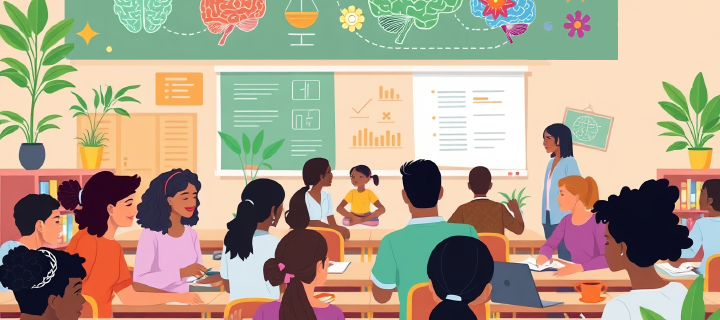
Education and Psychology
Advancing learning outcomes and human development through the science of mind, behavior, and educational practice.
To promote evidence-based educational practices and psychological interventions, expand the scientific knowledge of human development, learning, and behavior, and translate these insights into effective educational practices and interventions that foster individual growth, social equity, and lifelong well-being.
The questions and outcomes this division concentrates on, drawn directly from its vision and mission.
Psychology in education
Integrating psychological science into educational systems worldwide.
Development and learning
Expanding scientific knowledge of human development, learning, and behavior.
Psychological well-being
Fostering psychological well-being for learners of all ages, backgrounds, and abilities.
Growth and equity
Practices that foster individual growth, social equity, and lifelong well-being.
Themes our contributors explore, summarized from the division's published articles.
Wellbeing as a learning foundation
Student mental health underpins academic performance: anxiety, depression, and stress impair attention, memory, and motivation, so schools must support wellbeing to enable real learning.
Emotion in learning
Emotions shape attention, memory, and motivation through brain systems like the amygdala and prefrontal cortex, and educational psychology builds these insights into teaching and emotional skills.
The science of learning and instruction
Because working memory is limited, good instruction manages cognitive load, uses retrieval practice and spacing, retires the learning-styles myth, and assesses real skill rather than mere recall.
Counseling, culture, and educator care
Effective helping work needs cultural competence to avoid misdiagnosis and build trust, plus self-care for educators and counselors, since burnout and compassion fatigue harm everyone involved.
Families and development
Parents shape children's mental wellness through open communication, emotional literacy, stable routines, and healthy habits, while recognizing warning signs and seeking professional help when needed.
Lifelong learning and foundations
Psychology's roots run from ancient philosophy to modern therapy, behavioral science helps adults keep reskilling through motivation and habit, and early mentorship draws youth into the field.
Further reading
The Winning Synergy: How Mental Wellness Fuels Academic Success
The Architecture of Learning: Applying Cognitive Science to Enhance Educational Practice
The Assessment Fallacy: Are We Measuring Learning or Just Memory?
From Styles to Science: Debunking the Learning Styles Myth and Embracing an Evidence-Based Framework for Learning